
Member Engagement
Lifeline Australia works collaboratively with 17 Members nationwide to support Lifeline Centres to deliver crisis support, community programs and suicide prevention services in local communities. In line with our strategic priority to optimise the Lifeline national network, engagement with Members in FY2025-26 centred around sharing knowledge and deepening collaboration to ensure, no matter where they live, Australians in crisis have access to the suicide prevention and mental health support they need.
This financial year, we strengthened the way we work with the Lifeline network, adopting a more collaborative approach to the development of national initiatives. Our Member Relations team continued to provide Members with access to skills training, service improvements, shared resources, tools, funding opportunities and regular networking activities, helping to strengthen our collective impact across Australia.
 5 minute read

National Congress
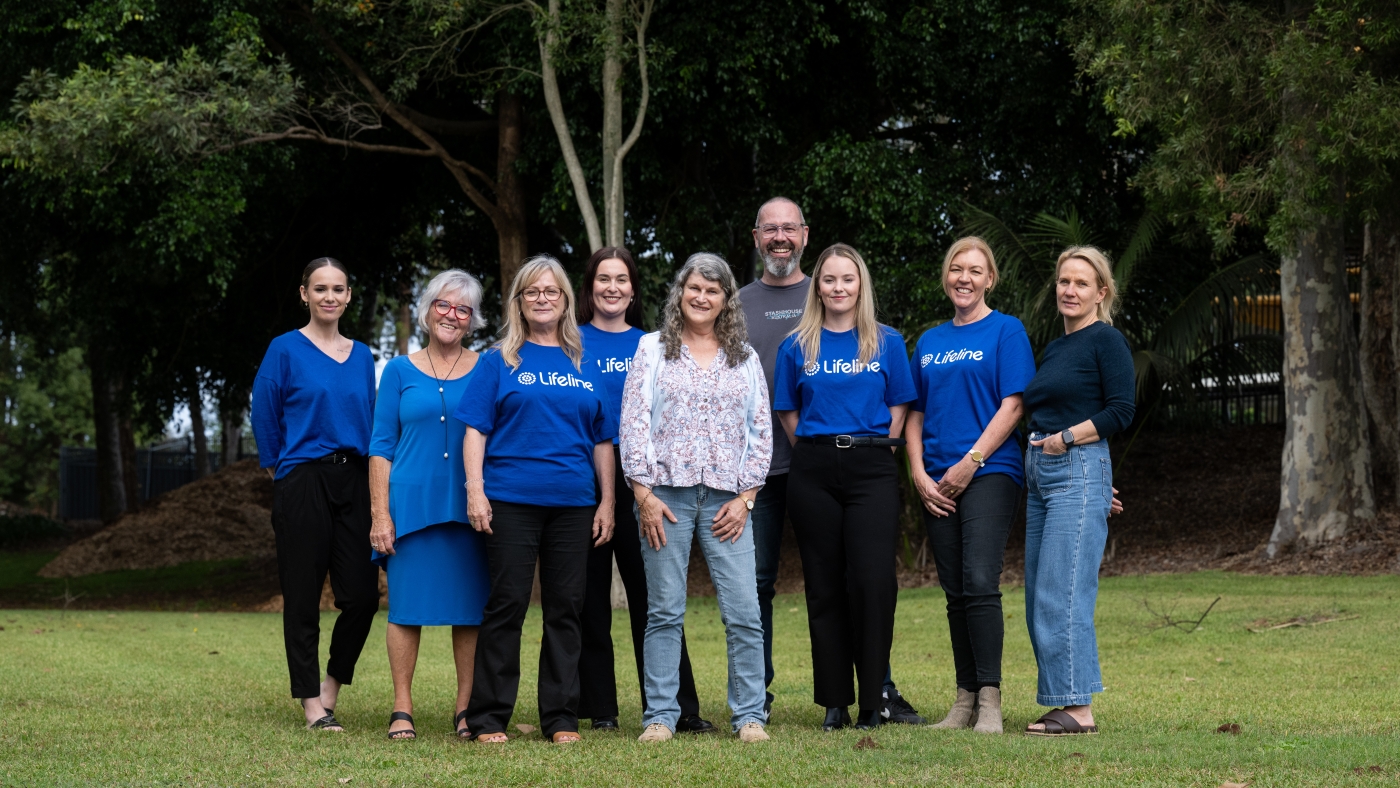
Held in May, the Lifeline Australia National Congress brought Lifeline’s Members and Centres together with Lifeline Australia representatives, sector leaders, people with lived experience and other key stakeholders from across the network.
Delegates heard updates from Lifeline Australia's CEO Graham Strong, sector experts and Lifeline Centres, while participating in workshops, roundtable discussions, and collaborative planning sessions. Key topics included the role of Artificial Intelligence (AI) in human-centred services, the future of a connected Lifeline system through Project Beacon, critical incident response, service innovation, fundraising sustainability, volunteer strategy, and building organisational capacity to ‘answer every call’.
Members were encouraged to share learnings, showcase their innovative programs, discuss common challenges, and contribute to the development of future national initiatives. These discussions helped identify opportunities for greater connection and informed strategic thinking, while also allowing Lifeline Australia to hear Members’ perspectives on future activities.
The Congress concluded with Members making a shared commitment to strengthening Lifeline's ability to support help seekers and communities into the future.
As part of the event, managers and frontline Crisis Supporters from Lifeline Centres also participated in a targeted Professional Development stream to strengthen capability, enhance service delivery and support staff wellbeing.
Lifeline Local Initiatives Fund
To support Member-led community programs, Lifeline Australia awards seed funding through the annual Lifeline Local Initiatives Fund (LLIF). This fund provides an opportunity to help Members design, develop and deliver programs, services and resources that respond to community need and strengthen suicide prevention at a local level.
This year, Lifeline Australia broadened the scope of the LLIF to better support the ongoing delivery of community programs across the network. For the first time, Members could apply for funding to expand existing services, as well as develop new initiatives. This change recognised that successful local programs may need further investment to remain viable, grow reach and continue meeting community demand.
In FY2025-26, Lifeline Australia awarded $275,000 through the LLIF for projects led by Lifeline Northern Beaches and Lifeline Mid Coast NSW.
Lifeline Northern Beaches - Connect Hubs service
LLIF funding is enabling Lifeline Northern Beaches to establish its first Lifeline Connect Hub. The seed funding has helped the Centre recruit a specialist, identify and train volunteers, and build new partnerships with relevant community stakeholders. With the place-based, face-to-face non-clinical service due to commence in the next financial year, this funding has helped Lifeline Northern Beaches accelerate implementation and develop the Lifeline Connect Hub for its local community.

Lifeline Mid Coast NSW – Expansion of Eclipse
LLIF funding helped Lifeline Mid Coast NSW expand its Eclipse (Support After a Suicide Attempt) program, increasing access to specialist support for people who have survived a suicide attempt or are experiencing ongoing suicidal ideation.
Eclipse is an eight-week psychoeducational and psychosocial support group providing care, connection and practical support after a suicide attempt. The LLIF seed funding has enabled Lifeline Mid Coast NSW to employ and train an additional Eclipse Lead Facilitator and offer more professional development for Eclipse Leads and Co-Facilitators in areas such as group facilitation and reflective practice, helping strengthen the team’s support for participants.
“This investment is strengthening both our workforce capability and service delivery, helping us expand access to evidence-informed suicide prevention and recovery support throughout the Mid North Coast. We sincerely thank Lifeline Australia and the LLIF initiative for its ongoing commitment to improving outcomes for individuals and communities impacted by suicide.”
Kelly Saidey, Senior Services Manager, Lifeline Mid Coast NSW
Lifeline Connect
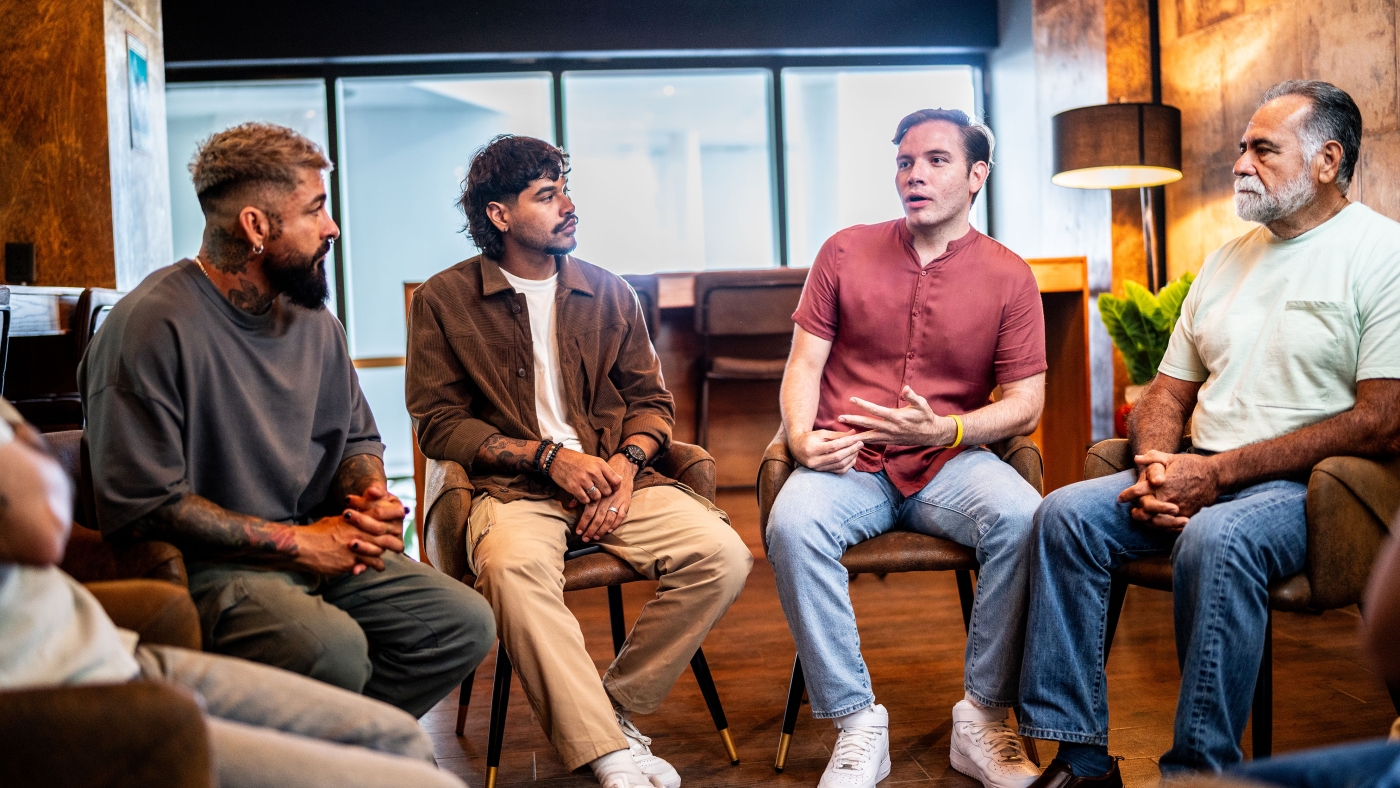
Lifeline Connect is Lifeline Australia’s first genuinely co-designed community program, delivered locally by Lifeline Centres through a newly developed standardised approach.
It is a free, early intervention, face-to-face service for people experiencing emotional distress, isolation, or uncertainty about where to turn for help. Offered in places such as libraries, community spaces, shopping centres and mobile units, Lifeline Connect provides a welcoming, low-barrier entry point before crisis happens.
Trained supporters listen without judgement, provide immediate emotional support and help people take practical next steps, such as linking them to appropriate local support.
The service was first established by Lifeline Regional South Australia and Far West New South Wales in April 2021. In September 2023, a pilot program was delivered by Lifeline Harbour to Hawkesbury Sydney in three Sydney libraries in Hornsby, North Sydney and Chatswood. As more Lifeline Centres expressed interest in the service, Members identified the need for a consistent delivery model, stronger national identity and shared resources to support implementation, build trust, strengthen funding opportunities and provide consistent care for help seekers.

Co-designing a national model
Over four months, Lifeline Australia collaborated with Lifeline Members to develop a national framework for Lifeline Connect. The project brought together Members already delivering the service with those interested in establishing it in their own communities.
This was the first co-design project led by Lifeline Australia. Our Community Programs Lead worked directly with a Working Group of Member and Centre representatives to understand what was already working, where consistency was needed, and how service delivery could remain responsive and flexible to local needs.
The group, which included frontline workers, service leaders, operational executives and CEOs, worked through six core elements:
- Service model
- Brand and marketing
- Workforce and training
- Outcomes and measurement
- Governance and risk
- Implementation, financials and volunteers
Some elements were explored through Working Group meetings, while others were progressed by sub-groups or taken away by Members and brought back for discussion and decision-making. Regular surveys for Working Group members ensured the project progressed.
Key outcomes included the development of a unified approach and service model, as well as shared tools and resources to support implementation and delivery by any Lifeline Centre. These have been brought together in the Lifeline Connect Online Hub, giving Members one central place to access guidance, templates, training requirements, practice and safety resources, measurement tools and implementation materials.
The Lifeline Connect Working Group
Lifeline Australia is grateful to representatives from the following Members for their meaningful contributions to the co-design process:
- Lifeline Regional South Australia and Far West New South Wales
- Lifeline Harbour to Hawkesbury Sydney
- Lifeline South East SA
- Lifeline South Coast
- Lifeline Darling Downs and South West Queensland
- Lifeline Direct
- Lifeline Northern Beaches, Mosman to Kirribilli
- Lifeline Loddon Mallee
- Lifeline WA
“The co-design process was helpful, inclusive and grounded in real experience. We valued the opportunity to contribute and strengthen the program together.”
Leah Griffin, CEO, Lifeline South East SA
Next steps
With the co-design stage complete, Lifeline Australia is continuing to work with the Working Group to further enhance and standardise Lifeline Connect as more Lifeline Centres introduce the service. The next stage will include ongoing governance through a Governance Committee, regular monitoring, and Communities of Practice for service managers and team leaders.
Further work will focus on national training, system solutions to support warm referrals and service delivery, and continued use of the Lifeline Connect Online Hub as the central place for resources and guidance.
“The strength of this work came from the diversity of experience around the table. By sharing knowledge, testing ideas and working through challenges together, we developed arrangements and procedures that are practical, consistent and grounded in real service delivery.”
Kylie Hutchinson, Lifeline Darling Downs and South West Queensland