

Crisis Support
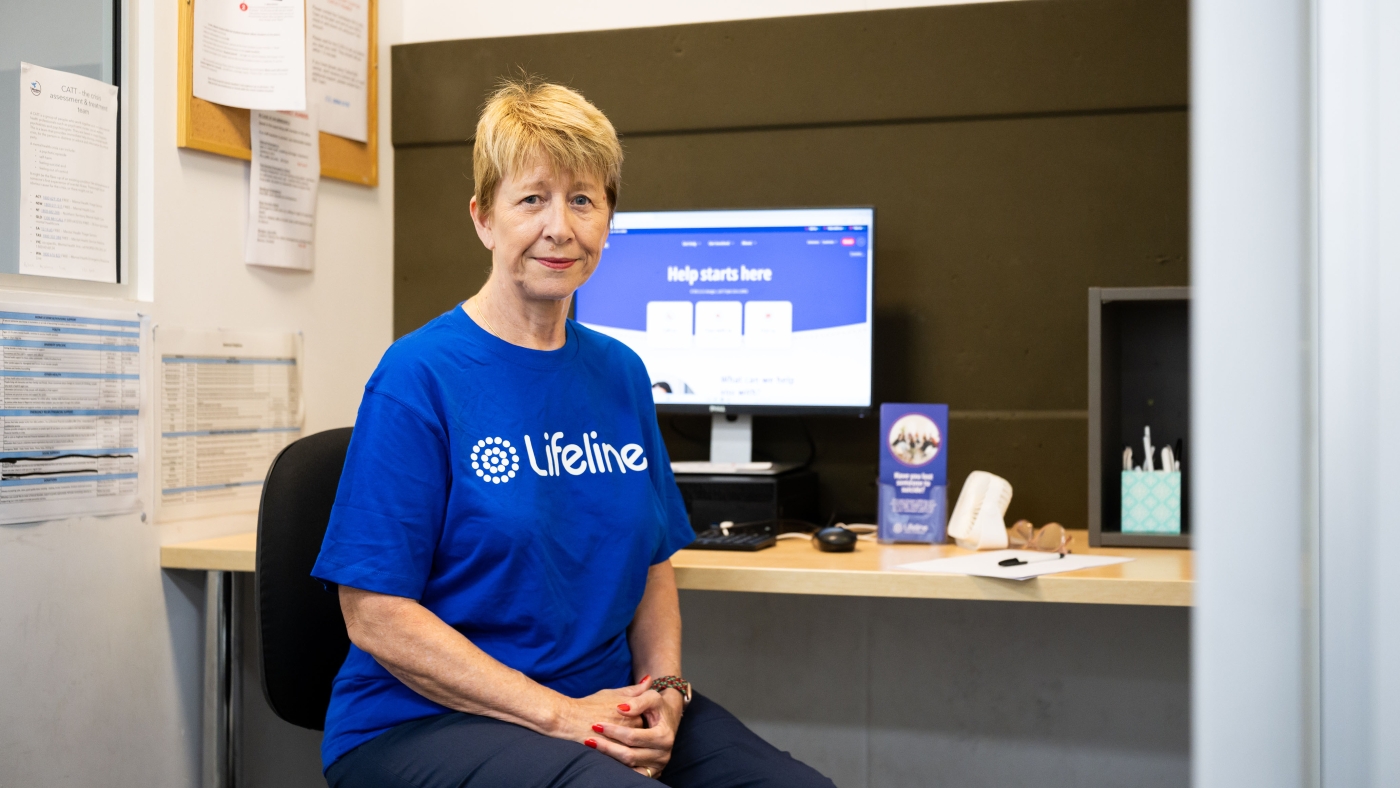
This financial year, approximately 5,000 crisis supporters responded to more than 1.3 million help seeker contacts across Lifeline Australia’s phone, text and chat services.
 8 minute read

Overview
Overview of key figures across Lifeline crisis support services in FY2025-26
Total calls
Across 13 11 14, 13 11 15, 13HELP and 13YARN
⬇0.2%
1,090,820 in FY2024-25
Call answer rate*
*Adjusted call answer rate excluding those calls that were abandoned in the first 60 seconds
77.2% Overall call answer rate
Chat
Conversations answered
⬆6.3%
142,871 in FY2024-25
Text
Conversations answered
⬆1.9%
87,690 in FY2024-25
Voice Services
In November 2025, Lifeline’s national voice crisis support services, including 13 11 14, 13HELP and 13 11 15, transitioned to a new technology platform. Lifeline’s digital services adopted the technology in FY2024-25. The enhanced system improves the crisis supporter experience by providing a platform that can enable innovation and future proof the system to assist in the delivery of high-quality crisis support.
To support the transition, Lifeline Australia provided e-learning modules, information sessions and FAQ resources to Members and Centres to train thousands of volunteer phone crisis supporters, as well as the In-Shift Supervisor workforce, to use the system.
Future upgrades within this system will enable help seekers to provide feedback on their experiences of crisis support.
13 11 14
In FY2025-26, Lifeline received more than 1.3 million contacts across its phone, text and chat crisis support services, as Australians reached out for support and connection at all times of the day and night.
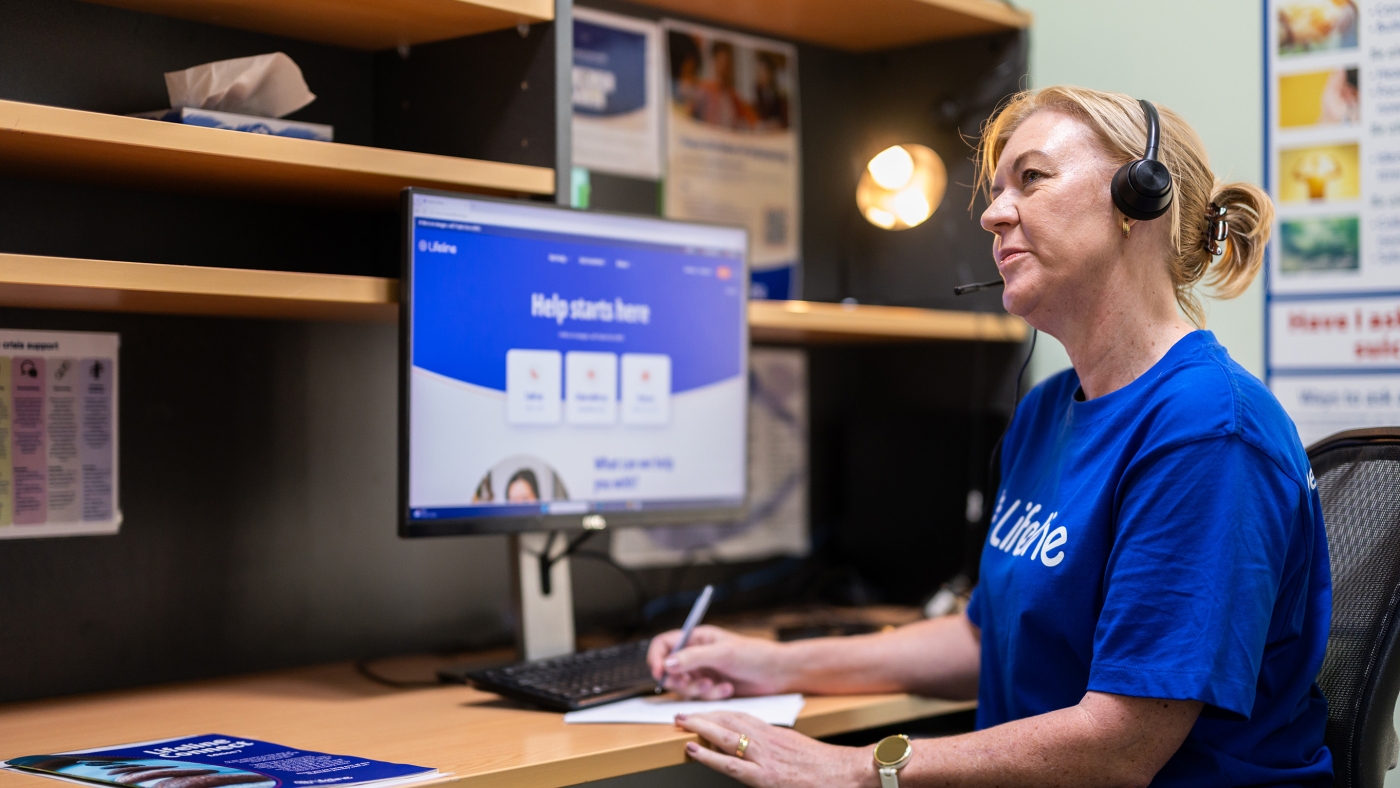
Across the country, more than 3,500 voice service volunteers continued to be there for people in crisis, answering calls every day of the year and listening with compassion, care and respect.
Relationship issues, mental health, health and disability, abuse and trauma, loneliness, grief and loss, employment and financial stress were some of the pressures contributing to feelings of distress, uncertainty and isolation for many Australians.
During the year, Lifeline continued to maintain Registered Training Organisation compliance and developed new content to better prepare crisis supporters to respond to people experiencing loneliness and social isolation. This work reflects Lifeline’s ongoing efforts to evolve its voice services in response to changing community needs.
The Bondi terrorist attack in December 2025 saw a significant increase in calls to the service as people across the country processed the event and its impact. In response, Lifeline strengthened the connection between phone support and online self-led resources. Tailored information was provided to Centres to help crisis supporters offer timely and appropriate support to help seekers. Many 13 11 14 volunteers generously took on extra shifts to help meet the increased demand for crisis support at this time. Additionally, around 120 Sydney-based phone crisis supporters volunteered at Lifeline’s in-person Support Hub in Bondi, using skills developed through 13 11 14 to assist in the face-to-face community response.
During the year, Project Beacon explored how support navigation could complement Lifeline’s crisis support services and contribute to a more connected care system for help seekers. Support navigation helps people understand and access the support that may be appropriate to them beyond the crisis moment. Rather than simply referring someone to another service, support navigation encourages them to explore suitable options at their own pace. Through consultation with people with lived experience and service prototyping, Lifeline Australia examined how this approach and warm referrals can be integrated safely and naturally into crisis interactions while maintaining the care, attentiveness and quality provided by crisis supporters.
An evaluation will now assess how help seekers responded to this approach and whether it improves outcomes. The findings will inform how support navigation and warm referrals could be standardised and scaled across the Lifeline network, supporting the development of a more connected system of care.
13HELP
Through 13HELP, Lifeline provides support for people and communities affected by natural disasters and extreme weather events. This vital resource was introduced after the Black Summer bushfires and continues to be funded by government and corporate partners. Targeted advertising in disaster-affected communities ensures people dealing with the emotional toll of these types of events can access crisis support tailored to their needs, whenever they need it.
During FY2025-26, floods, bushfires, severe storms and heatwaves disrupted lives across Australia. Call volumes to 13HELP spiked following major bushfires in New South Wales, Tasmania and Victoria over the summer, and also in response to significant flooding events across northern Australia early in 2026. This year, a number of extreme heatwaves across the country also contributed to spikes in calls to the service.
Digital Services
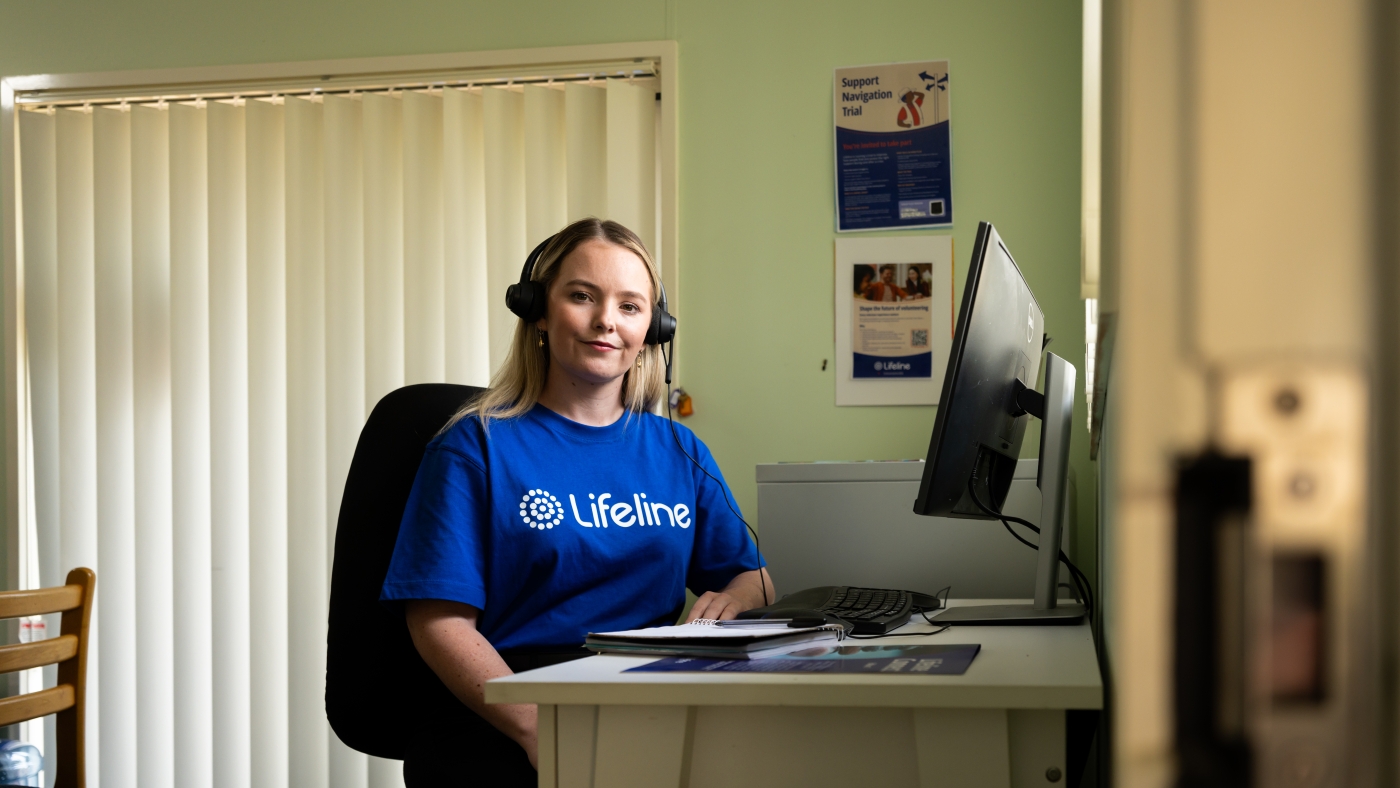
Lifeline’s text and chat services continued to provide safe and accessible support for people experiencing distress. Over the past five years, these services have become increasingly important pathways for people who may not feel safe or comfortable speaking aloud when seeking support.
During FY2025-26, demand patterns shifted, with online chat becoming the preferred digital support option. Most chat users accessed the service from a mobile device, with these help seekers more likely to be under 30, female and impacted by family and domestic violence.
Following the terrorist attack in Bondi in December 2025, Lifeline’s text and chat services experienced unprecedented demand, particularly in the first 24 hours. Witnesses, people in the area and members of the wider community contacted Lifeline through text messaging or webchat, many unsure where else to turn. Our volunteer digital crisis supporters stepped up, with several periods during the first week when every help seeker who reached out through text or chat connected with support. Lifeline Australia used a text and chat analytics tool to identify and review transcripts to understand how people were responding to the event and help tailor support for help seekers and crisis supporters.
During the year, Lifeline’s Digital Services team made significant progress towards measuring outcomes and understanding impact. The text and chat post-interaction survey was expanded to include four outcome measure questions, covering distress levels, feeling heard without judgement, having a way forward, and feeling supported. Developed over 12 months with input from the Lifeline Lived Experience Advisory Group, help seekers, Lifeline Research Office, Members and Lifeline Australia’s Product and Practice teams, the updated survey will help Lifeline better understand service quality, trends in distress levels and the impact of support provided. It also supports consistent outcomes measurement in line with government and accreditation requirements.
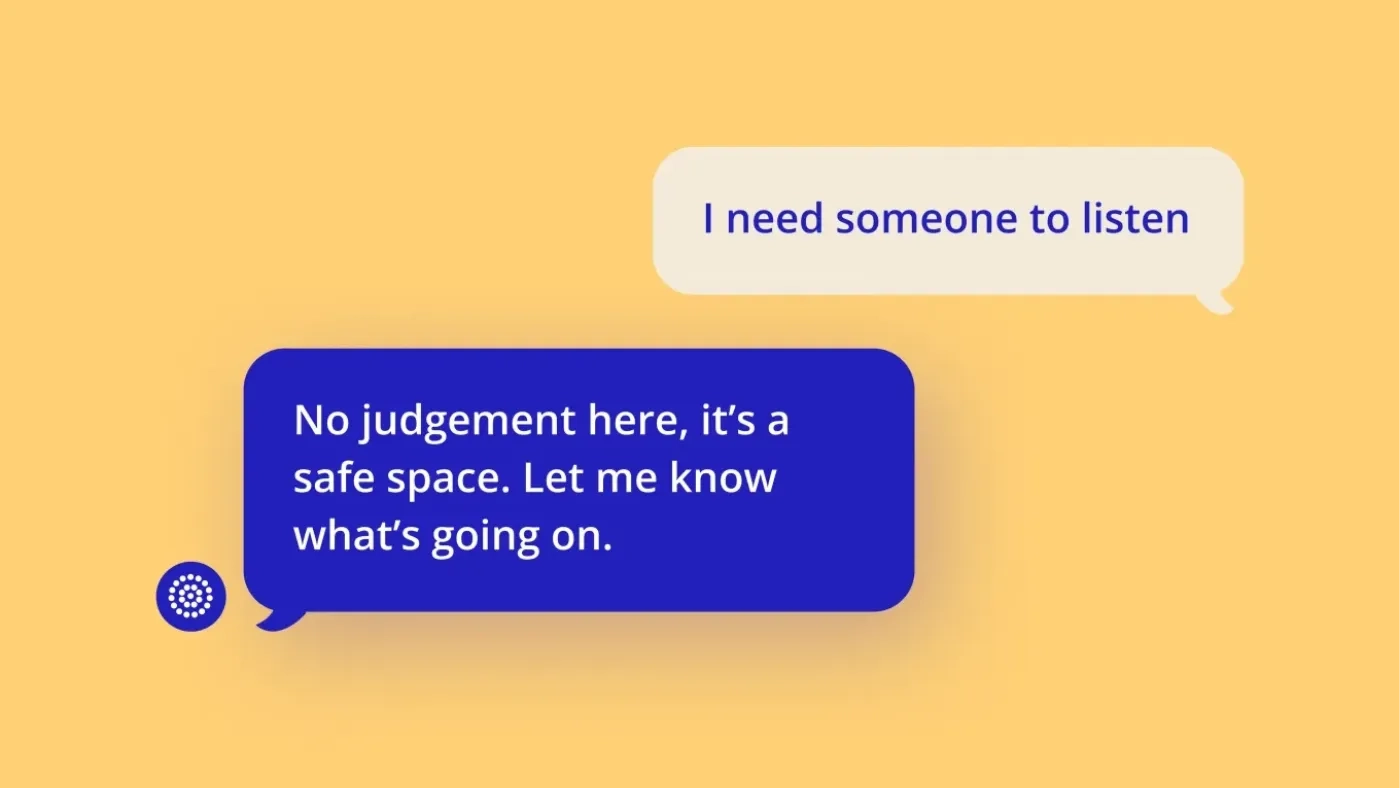
Lifeline Australia also strengthened its practices in digital crisis support. One example was in response to concern from help seekers about whether they are interacting with AI. The Crisis Support Continuous Improvement Accelerator team used input from Help Seekers and Crisis Supporters to introduce changes to the service. Including improvements to the online chat interface and stronger messaging to affirm Lifeline’s promise and commitment that “our crisis support is human”. New guidance on building “human” connection in digital conversations and relaxed guidance on spelling, grammar and punctuation, for crisis supporters.
Operationally, working with Lifeline Australia’s Governance, Legal and Risk teams, the Digital team further strengthened the safety and quality of the text and chat services with accreditation against the National Safety and Quality Mental Health Digital Standards. To support compliance, a new service and clinical governance framework was developed, with four oversight panels introduced for complaints management, incidents, project and change activity and service governance.