
Self-Led Support
More Australians than ever are going online to seek mental health support. To help meet this demand and ensure people have a safe, trusted place online to go for support, Lifeline Australia significantly enhanced its digital self-led support channel over the past year. Our focus has been on improving how Lifeline services connect with each other and the broader sector, and making it easier for people to access trusted self-help information, wherever they are in their support journey.
 4 minute read

Overview
Key figures for self-led support in FY2025-26
Australian visitors
For Lifeline website and online self-led support
⬇12.0%
1,580,934 in FY2024-25
Page views
For crisis support and self-led support resources
⬆22.8%
1,607,273 in FY2024-25
Support Toolkit page views
Page views for the Support Toolkit alone
⬆31.7%
873,261 in FY2024-25
Support Toolkit visitors
Australian visitors for the Support Toolkit alone
Lifeline.org.au
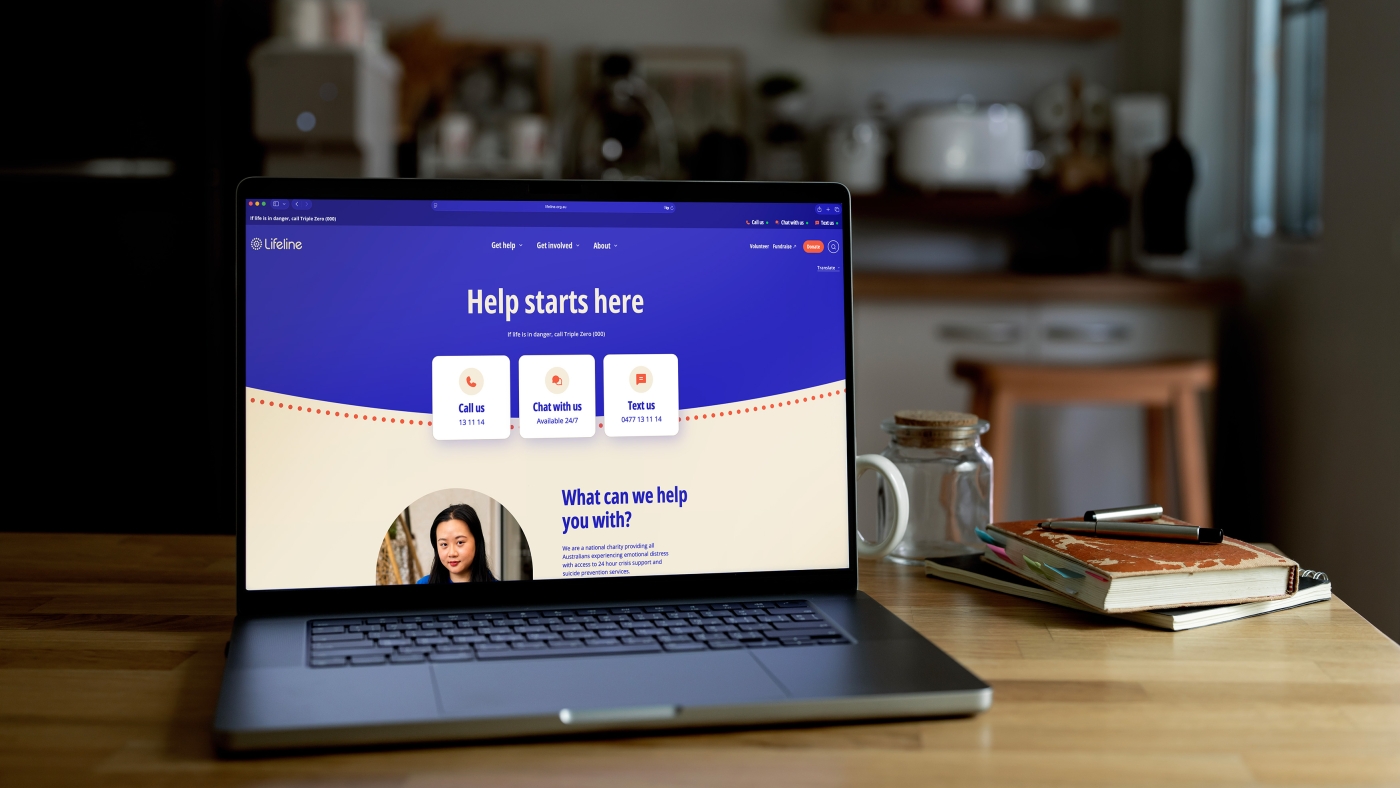
Lifeline’s website remains a critical entry point for help seekers looking to access our growing suite of support services and resources. With more and more people choosing to engage with us online, lifeline.org.au plays a vital role in meeting people wherever they are in their help-seeking journey.
In line with this growing demand for digital services, Lifeline launched a new website in November 2025. As well as reflecting our refreshed brand identity and promise, the focus of the update was to make it easier for help seekers to understand and navigate our expanding service proposition – from self-led tools like the Support Toolkit and Beyond Now to crisis support, counselling and more. We worked closely with people with lived and living experience to design new ‘support pathways’ – plain language navigation options accessible from every page that ensure every Australian can connect with the right support for them.
A new AI-supported natural language search and discovery tool was also introduced to enable users to easily find whatever they need no matter where they are on the site.
The updated lifeline.org.au website also features a new pathway for people concerned about the mental health of someone else. Access to support services for carers and new content on how to look after themselves and have a conversation with someone who is struggling are now just a few clicks away for this group of users.
Support Toolkit
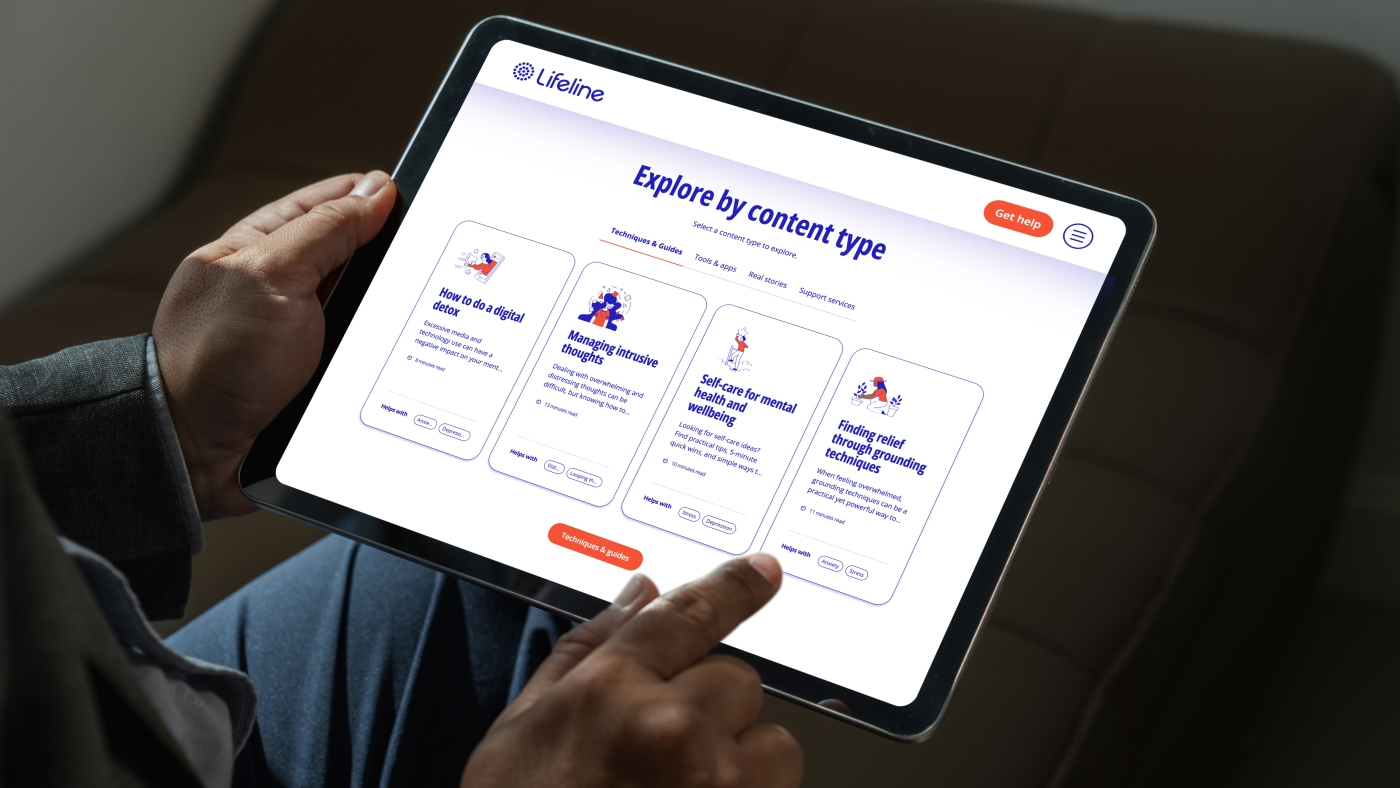
Lifeline’s fastest-growing offering, the Support Toolkit provides practical, easy-to-access information, resources, tools and lived experience stories to help Australians support their own mental health and wellbeing, as well as the wellbeing of their friends and family. 576,061 people engaged with the Toolkit this financial year, a 56.1% year-on-year increase.
Over this period, we integrated the Toolkit into the new Lifeline website, making everything within the Toolkit just a click away.
This year nib Foundation generously provided funding for a second, three-year project exploring how we can better support people from Culturally and Linguistically Diverse (CALD) communities and improve cultural responsiveness across Lifeline Australia. Working with more than 15 organisations with expertise in this space – including Embrace Multicultural Mental Health – we are focusing on the intersection of culture, language, identity and wellbeing. Through this work, we are elevating CALD voices and empowering people to share their experiences to highlight culturally protective factors and create collaborative spaces for better conversations, reduced stigma and greater help-seeking.
Developed in collaboration with CALD Australians and specialist organisations, this project started by ensuring our website, including all resources in the Support Toolkit, is available in the 10 languages most spoken in Australia other than English. We also translated our tailored fact sheets and made them available as printed resources within communities. The team is also collaborating with lived experience voices to create new resources and content tailored towards CALD experiences, such as finding a sense of identity between cultures, managing migration stress and dealing with racism and discrimination.
This year, we also continued to develop self-led support resources in response to specific events, most notably the Bondi Beach attacks in December 2025. This reflects a growing awareness of the value of responding to traumatic community events in a more tailored way.
We also worked with an external agency, the Invaders, to explore the potential of developing targeted services to support men in the gaming community. This is a community we know can find it hard to reach out for help.
Beyond Now
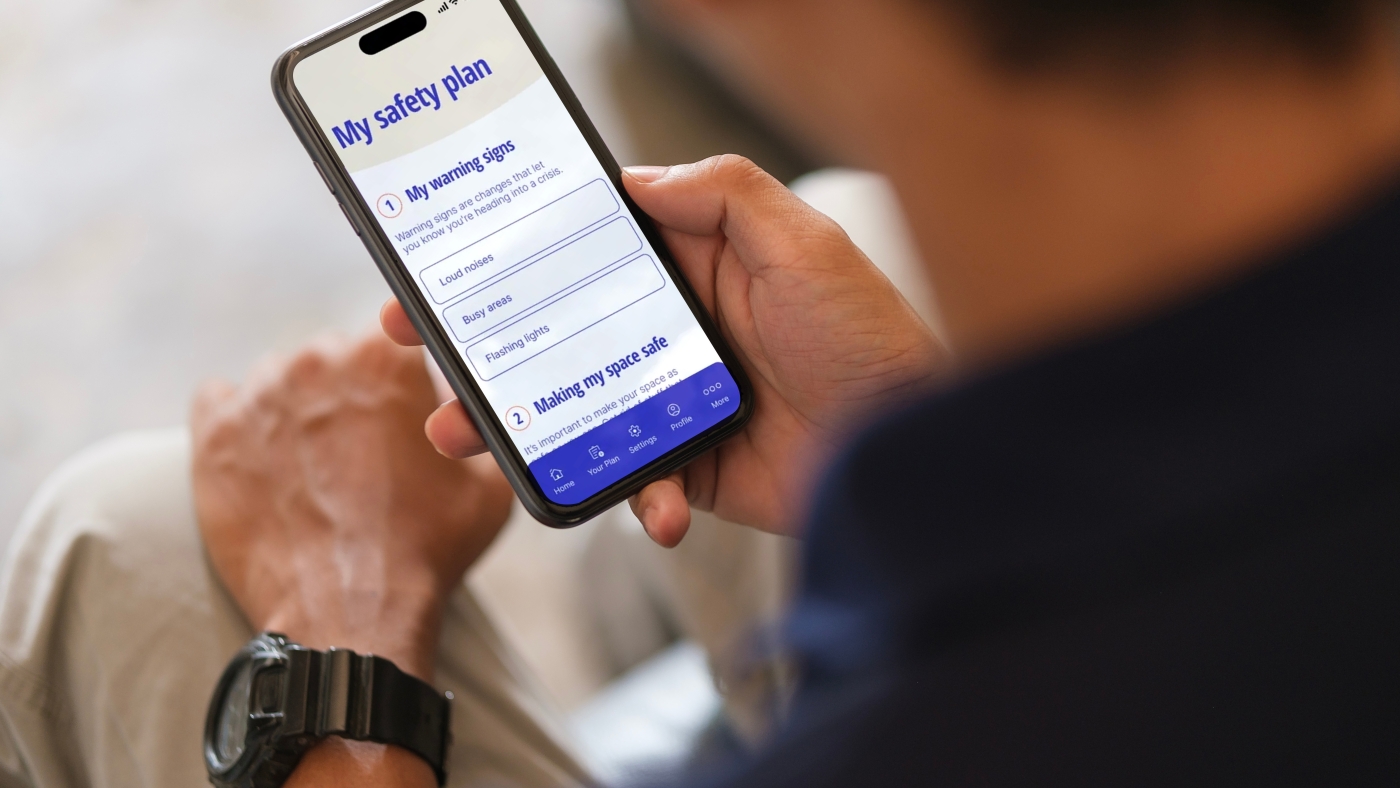
Beyond Now is a cross-platform mobile app and online resource that empowers help seekers to create a plan and keep themselves safe when they’re feeling at risk of suicide. More than 10,000 active monthly users depend on this resource to get through their toughest moments, relying on it as a safe space for connection and support when they might be overwhelmed.
Our focus this year was on making Beyond Now easier to access. Three separate updates were released to improve user experience and stability.
Significant progress was also made on exploring how Beyond Now could be better integrated with Lifeline’s crisis support services. This work is considering how crisis supporters may support eligible help seekers to co-create a safety plan during appropriate non-imminent interactions, and how people could access and share their plan after the conversation. The detailed service model, supporting technology and implementation approach are continuing to be developed.