
Finding relief through grounding techniques
 11 minutes

What are grounding techniques?
Grounding techniques, also called grounding exercises, are any type of mental, physical or calming activity that helps you shift your focus to what’s happening right now and away from whatever is causing you to feel distressed.
Try a grounding technique now
A grounding technique like box breathing is something you can use to calm your thoughts and regain a sense of control within minutes.
Here's how you can try it out:
- Slowly breathe in, while counting to four.
- Hold that breath in for four counts.
- Breathe out for four counts.
- Then, that breath out for four seconds.
That's one round. Repeat this cycle for a minute or two.
If four counts feels too long, you can start with three and build up.
Think about how you're feeling, both before and after this exercise. You may not feel perfect after doing it, but if it's working, you'll be feeling more mindful, aware or calm than when you started.
For a visualisation of how this technique works, click play on the video below.
How do grounding techniques work?
Sometimes, when you feel stressed, anxious, panicked or overwhelmed, the front part of your brain isn’t able to think clearly because it’s gone into fight, flight or freeze mode. By focusing on what’s going on around you instead of your thoughts, you can settle yourself enough to slow your breathing, lower your heart rate, and get your brain working normally again.
As we continue to live in a fast-paced world, it’s normal to feel like your mind is racing a million miles per hour or you’re being weighed down by things like financial stress, challenges at work/school, or problems in your relationships. It’s also normal to need help dealing with the ups and downs of life.
Grounding techniques can be used anywhere, at any time, and without others knowing. Best of all - they’re exercises you might already know how to do!
On this page, you’ll find information on:
- How grounding helps mental health
- A grounding technique to try right now
- Different types of grounding techniques to try
- How to build grounding skills for life.
How grounding helps mental health
Grounding techniques can help you relax, cope with difficult feelings or manage the stress and overwhelm that often come with daily life.
Having ways to redirect your attention away from distressing thoughts and feelings and focus on whatever is happening right now may also help manage symptoms of anxiety, panic attacks, and trauma.
Grounding techniques can be used to:
- Help you feel safe
- Stop rumination (e.g. repetitive thinking and dwelling on negative thoughts/outcomes)
- Keep you from ‘spiralling’
- Help manage intrusive thoughts
- Reduce the intensity of distressing memories or flashbacks
- Avoid and manage panic attacks
- Resist urges to self-harm
- Cope with chronic pain
- Boost your mood
- Build resilience.
Types of grounding techniques to try
Remember, grounding works in different ways, which means what works for someone else might not work for you and vice versa.
Don’t be afraid to play around with them and find the version that feels right for you. There's no need to feel like you have to follow the instructions perfectly.
Mental grounding techniques
Mental grounding techniques are particularly helpful for managing anxiety and stress because they can help you view what you’re experiencing in a way that feels less overwhelming and threatening.
On top of helping deal with feelings of stress and anxiety, mental grounding techniques can also be helpful for dealing with things like grief, sadness, regret, and anger. Sometimes, we might want to ignore or hide these emotions thinking they'll go away on their own. But if we find helpful ways to handle them, it can help us cope with them right now and learn how to approach them in the future.
Here are some examples of how you can use grounding for distressing and difficult feelings:

Physical grounding techniques
Physical grounding techniques are often used for managing the physical symptoms of stress, anxiety, and panic attacks because they can help distract your brain from whatever’s causing distress so that you can gain control of your breath and heart rate.
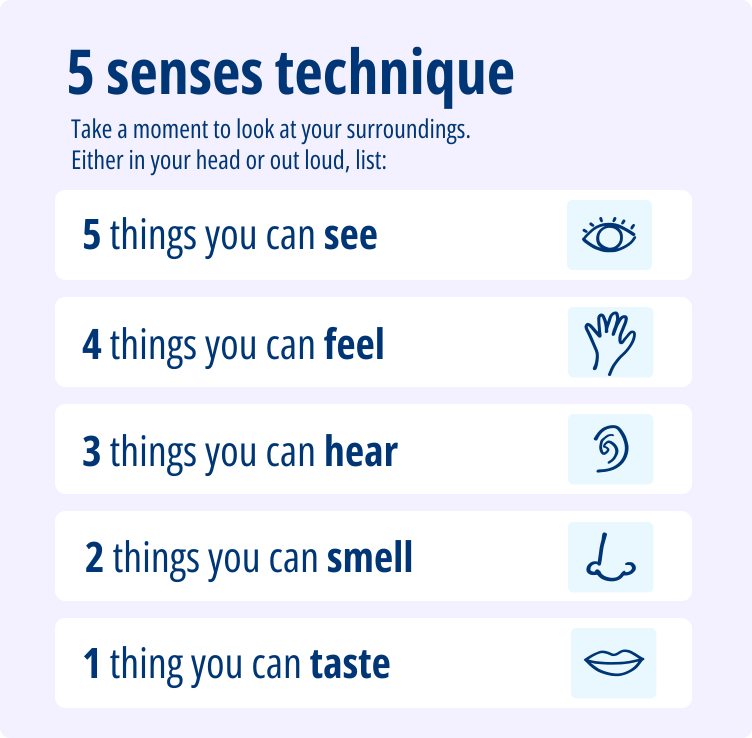
Calming grounding techniques
Calming grounding techniques are similar to some self-care activities in that they enable you to take time to do things that bring you joy. Calming exercises can be particularly helpful for coping after a stressful or traumatic event.
Being creative with things like drawing, writing or making videos can also be a great way to work through tough emotions. It can help you express yourself and understand your feelings better.
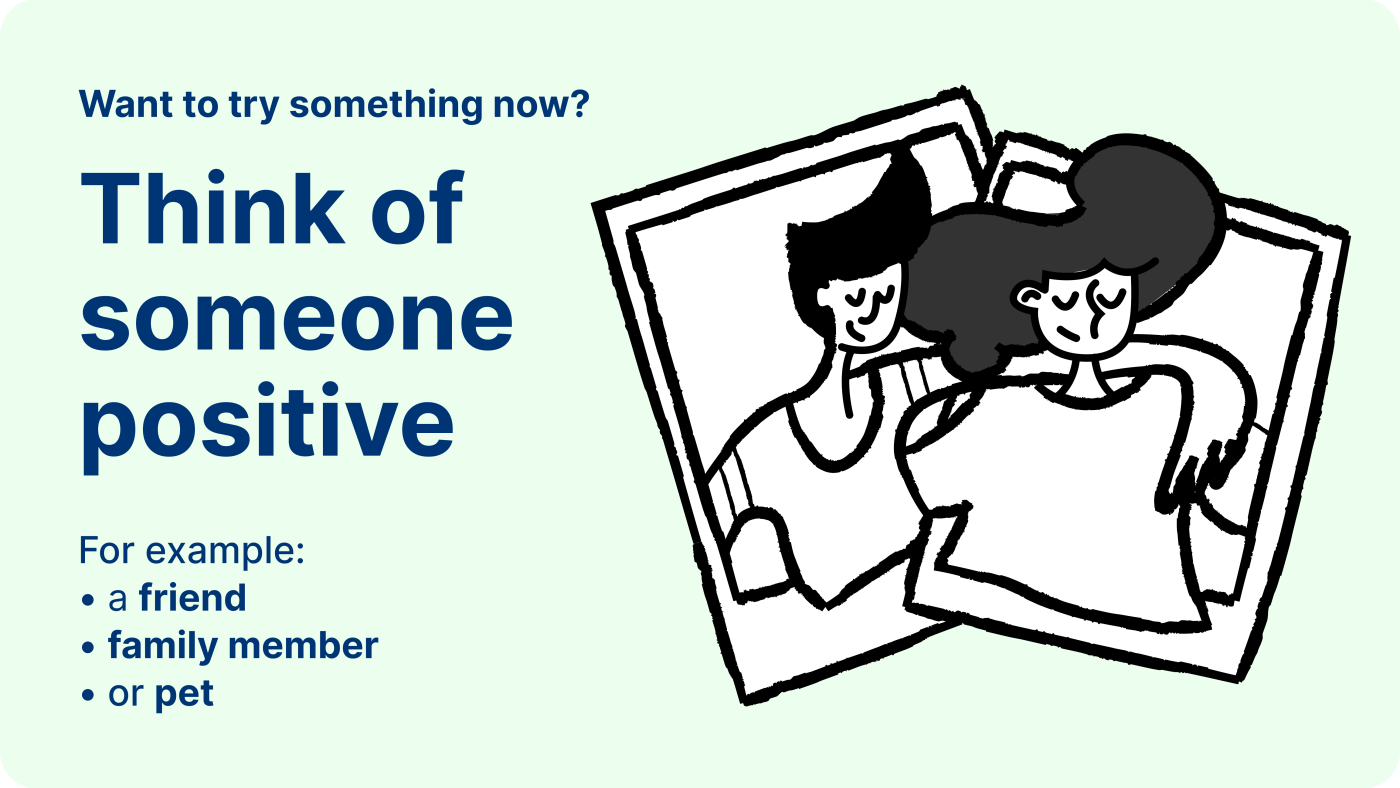
How to build grounding skills for life
Remember, we all like different things and have different experiences so some grounding techniques may work better for you than others. Don't be afraid to try new techniques until you find something that feels right for you and brings the most benefit.
You might prefer grounding yourself regularly, like every morning when you wake up, or you may prefer to schedule yourself some ‘grounding time’ on weekends. You can also connect the techniques to something you already do, like doing deep breathing while stuck at traffic lights.
There's no one ‘correct’ way to do grounding techniques. It's all about finding what works best for you and what helps you feel calmer and more relaxed.
'The beauty of box breathing is in the simplicity. With just a few moments of counting my breaths, I can find a moment of peace anywhere, anytime.'
Grounding techniques won't make negative feelings completely disappear, but they can give you much-needed relief when things get tough.
If you enjoy spending time with others, you can talk to someone you trust about your progress. You could even have a go at teaching a grounding technique to them. One of the best ways to get great at something is to teach it!