Self-care for mental health and wellbeing
Looking for self-care ideas? Find practical tips, 5-minute quick wins, and simple ways to look after your mental health when feeling overwhelmed.
 10 minutes
read
10 minutes
read
If life is in danger, call Triple Zero (000)

Translation notice: Lifeline Crisis Support is delivered in English. This page was translated automatically and may not be fully accurate. Spot an issue?
Share feedback about automatic translation accuracy.

Stress is how our body reacts to challenges or demands in life. Whether it’s juggling work and family responsibilities or dealing with financial pressures, a little stress can sometimes help you stay focused and get things done.
But when stress lasts too long or feels overwhelming, it can start to affect your wellbeing.
For example, you might notice:
Stress can build up when multiple pressures happen at once. It can make daily life feel harder and take the enjoyment out of things you usually like to do.
Figuring out what's making you stressed can help you find ways to manage it.
When you feel stressed, your body is reacting to a threat - real or imagined. This triggers the fight, flight, or freeze response, which is your body’s way of protecting you.
This response is a survival instinct that helps in genuinely dangerous situations. But when everyday stressors like work, relationships, or finances keep triggering it, your body stays on high alert. Over time, this can leave you feeling drained and overwhelmed.
'I didn’t even realise I was in ‘flight mode’ until I stopped and took a breath. It was like my body was always reacting before my mind could catch up.'
Burnout happens when stress doesn’t go away and you feel mentally and physically drained for a long time.
It’s often linked to ongoing pressures like work, study, caring for others, or feeling like you always have too much on your plate.
Signs of burnout can include:
If you’re feeling the effects of burnout, help is available. You can explore strategies to try right now or find the long-term help for stress that's right for you.
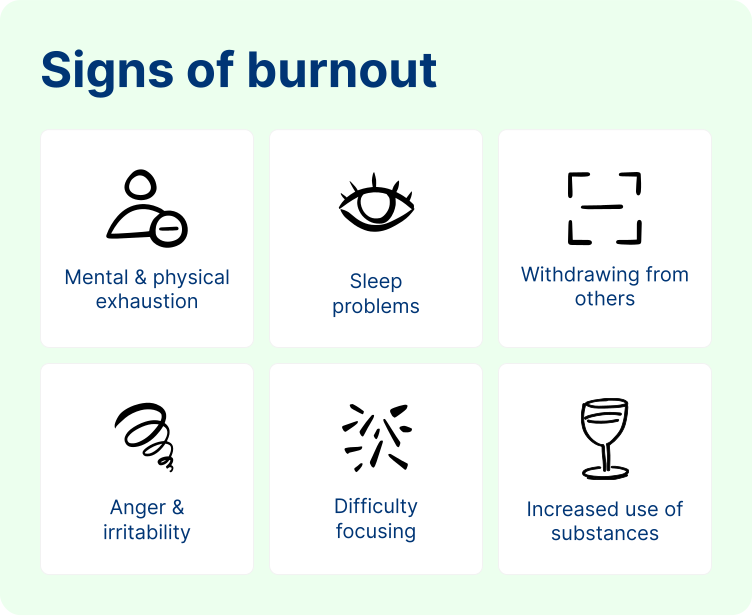
If stress becomes overwhelming or lasts too long, it can lead to challenges like burnout, anxiety, and other health conditions.
You might need extra support if:

You don't have to face this alone.
If you're experiencing thoughts of self-harm or suicide, Lifeline is here. You can connect with a crisis supporter 24 hours a day, 7 days a week via 13 11 14, text, and chat. If life is in danger, call 000.
Everyone’s experience of stress is different, and what works for one person might not work for another.
The important thing is to keep trying until you find what feels right for you.
For more support resources for stress, you can:
Remember - small steps can make a big difference.
Click here to download, save, or print our stress fact sheet.
Stress can affect your body, mind, and emotions in ways that you may not always recognise. While stress is a natural part of life, it can feel confusing and overwhelming when it starts to impact your wellbeing.
Below, you can read about common ways stress can impact your mind and emotions.
When you're feeling stressed, it’s common to experience a mix of emotions, sometimes without realising why.
You might feel:
These emotions can feel overwhelming, but it’s important to know that you’re not alone in feeling this way.
Stress impacts how we relate to ourselves and others, and recognising these feelings is the first step in finding ways to manage them.
Stress doesn’t just affect your emotions. It can also influence how you think.
You might notice:
When stress builds up, it’s easy to get caught in a cycle where one worry leads to another. Understanding that stress affects your thinking can help you start to break that cycle.
Stress can also affect your habits and behaviours.
You might notice changes like:
Stress can make it difficult to stick to healthy behaviours. In no way is it your fault if you're struggling with your habits or routines right now.
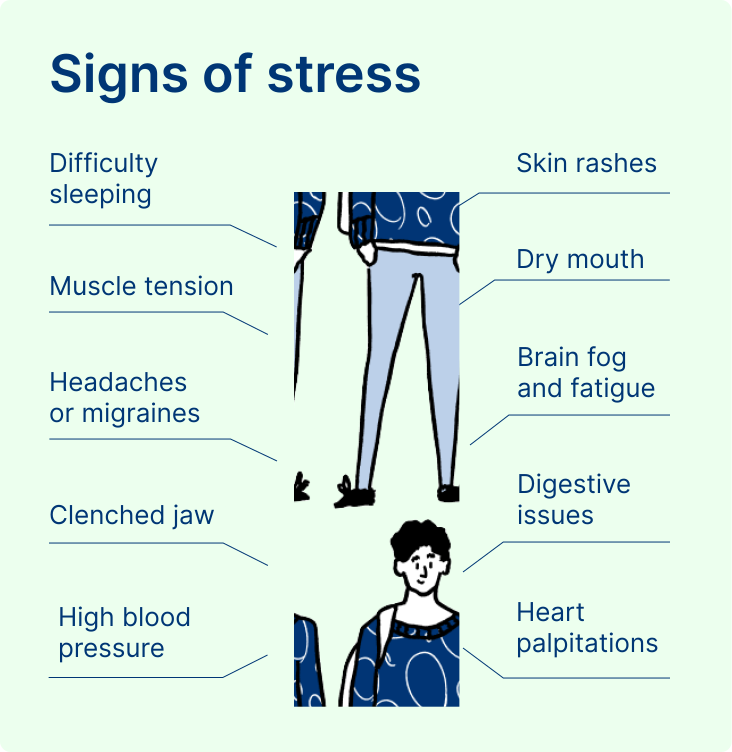
Sometimes, your body notices stress before you do.
Physical signs like the ones listed below can show up even when you don’t feel emotionally stressed, making it easy to overlook the connection.
Recognising these signs can help you tune in to what your body is telling you. If you’re noticing them often, it might be a sign that stress is affecting your wellbeing.
Even if you don’t know what to say, reaching out can help.
Ongoing stress can make it hard to cope, especially when it feels like things won’t get better. If stress is making you feel trapped, hopeless, or like you can’t see a way forward, you are not alone, and support is available.
You can connect with a Lifeline crisis supporter 24 hours a day, 7 days a week via 13 11 14, text, and chat. If life is in danger, call 000.
For more support resources for stress, you can:
Stress can come from different areas of life, and everyone responds to it in their own way. What feels overwhelming for one person might feel manageable to someone else and that’s okay.
It’s important to remember that stress is something we all experience and you’re not alone. It's also important to know that whatever you're going through is not your fault.
Stress can build on itself, creating a cycle that feels hard to break. When stress becomes overwhelming, it affects sleep, energy, and decision-making, making it harder to cope with everyday challenges. This can lead to avoidance, physical tension, or emotional outbursts, which only add to the stress.
Understanding this cycle is the first step in breaking it. Small changes, like focusing on rest, movement, or talking to someone you trust, can interrupt the pattern and restore a sense of balance.
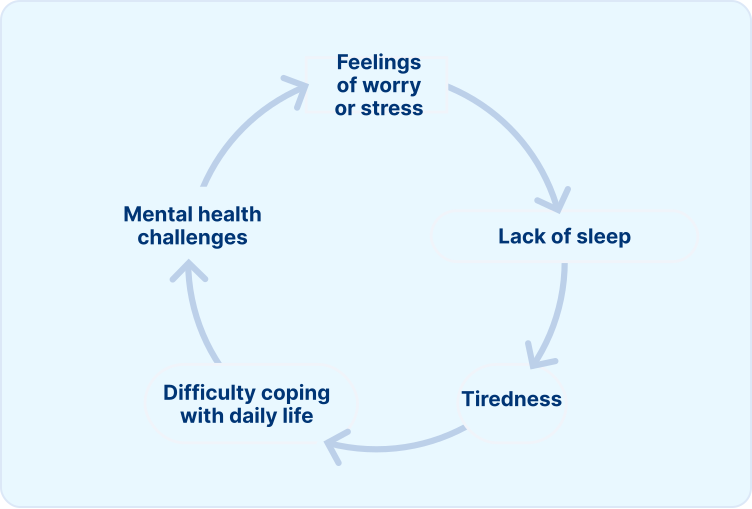
The cycle of stress can feel overwhelming, but small changes can make a difference.
For more support resources for stress, you can:
Click here to download, save, or print our stress fact sheet.
When stress feels overwhelming, it can take over your thoughts, making it hard to focus, breathe, or think clearly. It might feel all-consuming like there’s no way to slow it down.
In moments like this, having simple strategies and techniques to turn to can help you manage overwhelming feelings, ease tension in your body, and regain a sense of control.
Below, you’ll find practical ideas to help you feel calmer, especially if stress is building up or leading to panic.
If you’re feeling distressed or unsure where to start, a grounding technique can help you return to the present moment. The 5 senses technique, for example, can help you feel more connected to your surroundings, ease intense emotions, and take your focus off racing thoughts or physical sensations.
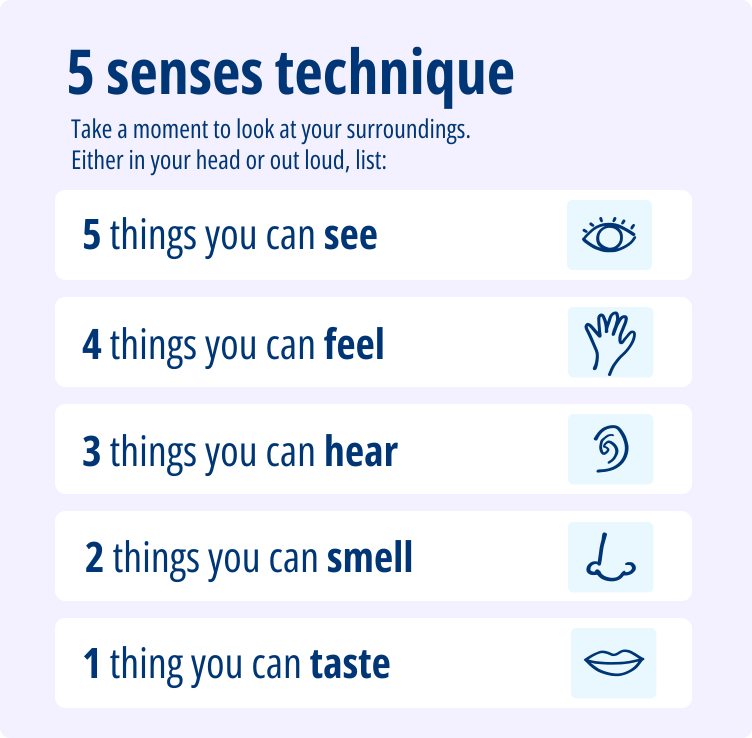
Below, you can explore more techniques and strategies to cope with and manage stress.
When stress feels like it's taking over, deep breathing can help ease both physical and emotional tension. It slows your heart rate, calms your mind, and makes it easier to face overwhelming thoughts.
While there are a lot of breathing techniques to try, a simple one is box breathing.
How to do box breathing:
Don't worry if it feels tricky at first. It gets easier with practise.
Try it now: Use our guided box breathing video to practise this calming technique.
When stress builds up, it can leave you feeling tense, restless, or stuck in your thoughts. Moving your body helps release physical tension and produces endorphins, which are your body’s natural stress relievers. Even gentle movement can help you feel calmer and more grounded.
You can:
Stress can feel isolating, but you don’t have to go through it alone. Talking to someone who listens and supports you can help lighten the mental load and give you a new perspective.
Sometimes even just saying your stressors or worries out loud can be enough.
Things to keep in mind:
Click here to learn tips for talking to someone you trust.
If you don't feel you have someone to speak with and need support now, you can always connect with a Lifeline Crisis Supporter. We're here to listen to whatever you might be going through 24 hours a day, 7 days a week via 13 11 14, text, and chat.
Lifeline is here.
If you don't feel you have someone to speak with and need support right now, you can always connect with a Lifeline Crisis Supporter.
We're here to listen to whatever you might be going through 24 hours a day, 7 days a week via 13 11 14, text, and chat. If life is in danger, call 000.
When stress feels all-consuming, shifting your focus to a small, manageable task or comforting activity can help break the cycle of overwhelming thoughts.
Keep in mind that distraction doesn’t solve stress. It can, however, give your mind a short break and help you reset.
You can:
Reducing or cutting out caffeine, alcohol, and nicotine can be a helpful way to manage stress. These substances may feel like quick fixes when you're trying to unwind at the end of the day or get through a task, but they can actually increase stress in different ways.
Keep in mind that you don’t have to quit them forever. Try cutting back or taking a break to see how your body and mind respond. Even small changes, like switching to herbal tea or alcohol-free nights, can make a big difference in how you feel. It’s about finding what works for you.
Click here to learn more about substance misuse and practical ways to manage it.
Taking time for small acts of self-care can help you recharge and manage stress. Whether it’s using your senses to relax, engaging in soothing activities, or simply slowing down, self-care is about giving yourself permission to pause.
You can:
Click here to learn more about the importance of self-care for mental health and wellbeing.
Grounding techniques like the 5 senses technique mentioned above can help when stress makes you feel overwhelmed or stuck in your thoughts.
They work by giving you something real to focus on - like what you can see, hear, or feel - so you can steady yourself and feel more in control.
You can learn more about grounding techniques and different exercises to try in our article below.
When it comes to coping with stress, short-term strategies can help you through tough moments, but it’s the healthy habits you build over time that can create lasting change.
Small, consistent changes like getting better sleep, setting boundaries, or reaching out for professional support can help ease daily pressures and give you a greater sense of control.
Below, you can explore practical ideas for reducing and managing stress in the long term.
Stress can come from many parts of your life including work, school, personal relationships, and finances. Sometimes, stress in one area can spill into another, creating a cycle that feels hard to break.
For example, feeling stretched at work might make it harder to sleep, which leaves you with less energy to manage things at home. Over time, this can build up and feel overwhelming.
The good news is that small, practical steps can ease some of that pressure. Even little changes can help you feel lighter and give you more space for rest, connection, and self-care.
Click here to learn more tips for reducing and managing financial stress.
Getting enough sleep is one of the most powerful ways to support your wellbeing and manage stress. When you’re well-rested, it’s easier to stay calm, make decisions, and cope with life’s ups and downs. Sleep helps your body recover, lowers stress, and boosts your energy and mood.
If sleep has been hard to come by, small changes can make a big difference. For example, you can try creating a bedtime routine that signals to your body it’s time to wind down.
If sleep is still tricky, that’s okay. Keep experimenting with what works for you; sometimes it takes a little time to get back into a rhythm.
Journaling can help you gain insight into what’s causing stress and how it affects you. It’s also a great way to reflect, process emotions, and identify patterns over time.
Try this:
Even small adjustments in different areas of your life can lighten your load and help you feel more in control.
Click here to learn more about journaling your thoughts and feelings.
Boundaries are the limits you set to protect your time, energy, and wellbeing. They’re not about shutting people out; they’re about making space for what matters most. Boundaries help you create balance, reduce overwhelm, and prioritise your needs without guilt.
If setting boundaries feels tricky, start small and practise being clear about what works for you.
Setting boundaries takes practise, but over time it gets easier. And you’ll likely find that others respect your honesty more than you expect.
Click here to learn more about building healthy relationships.
When you’re feeling stressed, it can be hard to remember to practise self-care. Remember, self-care isn’t just about bubble baths or taking a break. It’s about intentionally doing things that help you feel balanced, supported, and recharged. When you practise self-care regularly, it builds your resilience and helps you handle life’s challenges with more ease.
One way to make self-care easier is by creating a personalised self-care box that holds a collection of comforting items or reminders that you can turn to when you need to take care of yourself. Having a self-care box ready means you’ll always have tools on hand to ground yourself, lift your mood, or take a break when things feel tough.
Click here to learn ideas for creating your own self-care box.
6 minutes
read
Having a routine can give your day structure and make life feel a little more manageable. Routines create a sense of stability, which can help ease feelings of uncertainty and reduce stress.
A routine doesn’t need to be complicated. Start with a few small habits that help set a positive tone for your day.
You can:
Remember - small routines can build into something bigger over time, helping you feel more grounded and in control.
Strong social connections can help you feel supported, reduce stress, and remind you that you’re not alone. Having people to turn to, whether it’s a friend, family member, or someone in your community, can make tough times feel more manageable. Even small moments of connection can lift your mood and boost your resilience.
If building or maintaining connections feels hard, start small:
Meaningful relationships take time, but they’re one of the best ways to care for yourself. Click here for tips on building strong social connections.
Mindfulness and meditation are simple but powerful ways to calm your mind and bring you back to the present. They can help reduce stress, ease overwhelming feelings, and ground you in what’s happening right now, rather than getting stuck in thoughts about the past or future.
It’s worth noting that meditation isn’t for everyone, and that’s okay. If it feels uncomfortable, other grounding techniques might work better for you.
If you’re curious about mindfulness, start small:
Mindfulness isn't something you need to be perfect at. What matters is giving yourself time to pause and reset. Click here to learn more about getting started with mindfulness.
When life feels overwhelming, stepping away from screens can help reduce mental overload and give you space to reset. Constant notifications, social media, and endless information can leave your mind in a state of high alert, making it harder to manage stress.
A digital detox doesn’t mean giving up technology forever. It’s about creating a healthier balance that works for you.
You can try:
Finding a balance with technology can help you feel more present, connected, and in control.
8 minutes
read
Sometimes stress can feel overwhelming, and that’s okay. Reaching out for professional support is a brave step toward feeling better. It gives you a safe space to share what you’re going through and helps you discover tools and strategies that work for you.
Whether it’s speaking to a GP, connecting with a therapist, or trying an online program, there are different types of support that can be tailored to your needs.
A GP is a great place to start when seeking support for stress. They can help you create a Mental Health Treatment Plan, which outlines your mental health needs and the support available to you.
This plan may include a referral to a therapist or specialist and can give you access to Medicare-subsidised therapy sessions, reducing the cost of care.
Click here to learn more about getting a Mental Health Treatment Plan. If you need help finding a local healthcare provider, you can use Service Finder GP.
Talking to a therapist can help you understand what’s behind your stress and give you new ways to cope. Two common therapies are cognitive behavioural therapy (CBT) and acceptance and commitment therapy (ACT).
If you’re curious about CBT, you can start with this simple thought-challenging activity. It’s a practical tool to help you identify unhelpful thoughts and replace them with more balanced, supportive ones.
If in-person therapy doesn’t feel right for you, or you’d like to get started now, online programs can be a great alternative. These programs offer flexible, evidence-based support you can access at your own pace.
Online programs can be a helpful first step, or they can complement other types of support you’re exploring.
Managing stress over the long term is about finding what works for you and building a toolkit of strategies that support your wellbeing. Combining professional support with other approaches like mindfulness, self-care, and connecting with others can help you feel more equipped to handle life’s challenges.
If you need support along the way, there are always tools, services, and people ready to help.
For more support resources for stress, you can:
Remember, you don’t have to do it all at once. Even small changes like sticking to a daily routine or doing a digital detox can have a big impact in the long term. Be gentle with yourself and take things one step at a time.
Click here to download, save, or print our stress fact sheet.
Below, you’ll find tools like online learning programs, forums, apps, and podcast episodes that can help you wherever you are in your wellbeing journey.
30 minutes
read
Below, you’ll find support services that offer information, counselling, and referrals to local services in your area.
Use the Lifeline Service Finder to search for more local and national services available to help support you.
Watching someone you care about experience stress can leave you feeling unsure of how to help. Some people might need space, while others want more support but don’t know how to ask for it.
This page offers practical ways to start conversations, provide meaningful support, and look after your own wellbeing along the way. Remember, you don’t have to have all the answers. Jst being there can make a difference.
It’s not always easy to know what to say when someone you care about is struggling with stress. You might worry about saying the wrong thing or feel unsure about how to bring it up. But even a simple check-in can be really powerful. Simply knowing someone cares can help ease stress.
Every conversation is different, but small things can help make it feel easier for both of you.
If someone is already feeling overwhelmed, caught off guard, or distracted, they might find it harder to open up. Choosing a calm, private moment can help them feel safer and more comfortable sharing how they’re feeling.
Remember - it's okay if the other person isn't ready to talk. The most important thing is to let them know you’re there whenever they are.
When checking in, the way you ask questions can make a big difference.
Open-ended questions invite conversation and help the other person share what they’re feeling in their own words, rather than just answering 'yes' or 'no.'
Opening up about stress isn’t always a one-time conversation. Following up shows that you genuinely care and that they don’t have to go through it alone.
A simple message like 'I’ve been thinking about you. How have things been since we last spoke?' can remind the other person that they have ongoing support.
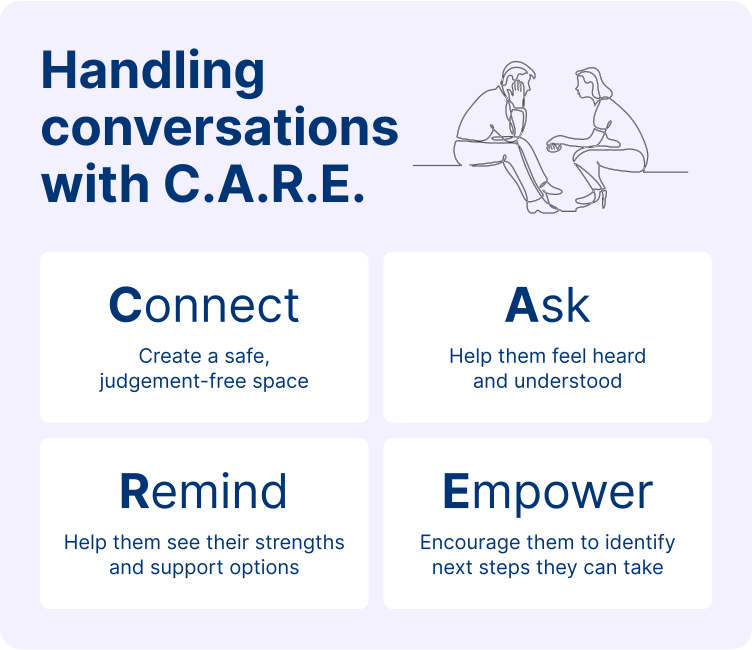
How you respond when someone opens up can make a big difference. Instead of trying to ‘fix’ things, use the C.A.R.E. Framework (Connect, Ask, Remind, Empower) to guide the conversation.
You can learn more about the CARE Framework and tips for talking to someone about their mental health by clicking here.
Let them know their stress is understandable.
You could say, 'That sounds really tough. I can see why you’re feeling this way.'
A genuine, empathetic response can help them feel seen and supported. If you're unsure how to respond, the short Brené Brown video on empathy vs sympathy below explains how simply being present and understanding can help someone feel truly heard.
Not everyone will be ready to talk straight away, and that’s okay. What’s most important is that the other person knows you’re there.
For more tips, click here to read our support guide on talking to someone about their mental health.
Helping a child or young person through stress can feel especially challenging. They may not always have the words to explain what’s going on, and their stress might show up in unexpected ways, like changes in behaviour, trouble sleeping, or becoming more emotional or withdrawn.
You can find tailored advice for supporting a child or young person by clicking here or on the article below.
12 minutes
read
When someone is deeply stressed, even basic tasks can feel overwhelming. Stress can lead to decision-making fatigue, making it harder for them to plan, prioritise, or take action. Offering practical help, especially with small but important tasks, can ease some of that mental load and create space for them to focus on their wellbeing.
Here are some ways you can help:
Even small acts of support can help someone feel less isolated and more capable of managing what’s in front of them.
When someone’s stressed, self-care often falls by the wayside. Little things like sleep, movement, and nourishing meals can make a big difference when it comes to reducing and managing stress.
When encouraging self-care, the key is to keep it light and achievable without making the other person feel pressured.
Here are a few ways you can help:
Supporting someone through stress can be challenging, especially if they become irritable, withdrawn, or overwhelmed. It’s difficult to be on the receiving end of these emotions, even when you understand it’s part of what they’re going through. That’s why it’s so important to care for yourself, too.
Taking time to protect your own mental and emotional wellbeing isn’t selfish - it’s essential. When you look after yourself, you’ll have more energy and patience to offer meaningful support without feeling drained.
Here are some ways you can prioritise your wellbeing:
Boundaries are a way to care for yourself while staying present for others.
When supporting someone through stress, it’s easy to feel like you have to be available all the time. But constantly giving without setting limits can leave you exhausted and burned out.
Healthy boundaries give both you and the other person space to rest and recover, helping you avoid emotional exhaustion.
Caring for someone who’s stressed can bring up all kinds of emotions sadness, frustration, guilt, or even anger. It’s important to acknowledge and process these feelings without judgement.
Acknowledging your feelings is an act of self-care. The more space you give yourself to reflect and recharge, the better you’ll be able to support others. Click here to learn more about self-care for mental health and wellbeing.
Supporting someone through a stressful time can be emotionally and physically exhausting. It’s essential to step back and give yourself time to rest and recharge.
Taking breaks doesn’t mean you’re stepping away for good. It’s about creating balance so you can continue offering support in a sustainable way.
Remember, breaks are not only okay; they’re necessary. You’ll be in a much better place to support someone when you’re feeling rested and steady.
It’s natural to want to help in every way possible, but trying to do too much can leave you feeling stretched thin. Instead, focus on what’s realistic and sustainable for both you and the person you care about.
Support is a journey, not a quick fix. Focus on small, achievable actions, and celebrate progress, both the other person's and yours, along the way.
Supporting someone through stress is about being present, offering practical help, and encouraging healthy routines.
But remember - caring for yourself is just as important. By setting boundaries and taking time to rest, you’ll have the strength to continue offering support.
If it ever feels too heavy, you can always reach out to someone you trust or a support service like Carer Gateway.
You can also always speak with a Lifeline Crisis Supporter. We're here for you 24 hours a day, 7 days a week via 13 11 14, text, and chat.
For more support resources for stress, you can:
Click here to download, save, or print our stress fact sheet.
Translated fact sheets are available to download below in the following languages:
Your feedback helps us improve our site for people like you.
We’d love to hear why!
Support looks different for everyone. Use the drop down bar to find what feels right for you.