Mental wellness during the holiday season
Do you struggle with the holiday season?
If you find the holiday season challenging, you’re not alone.
The holidays are often depicted as a time of joy, celebration, and togetherness, but for many of us, it can bring up a range of difficult thoughts and feelings.
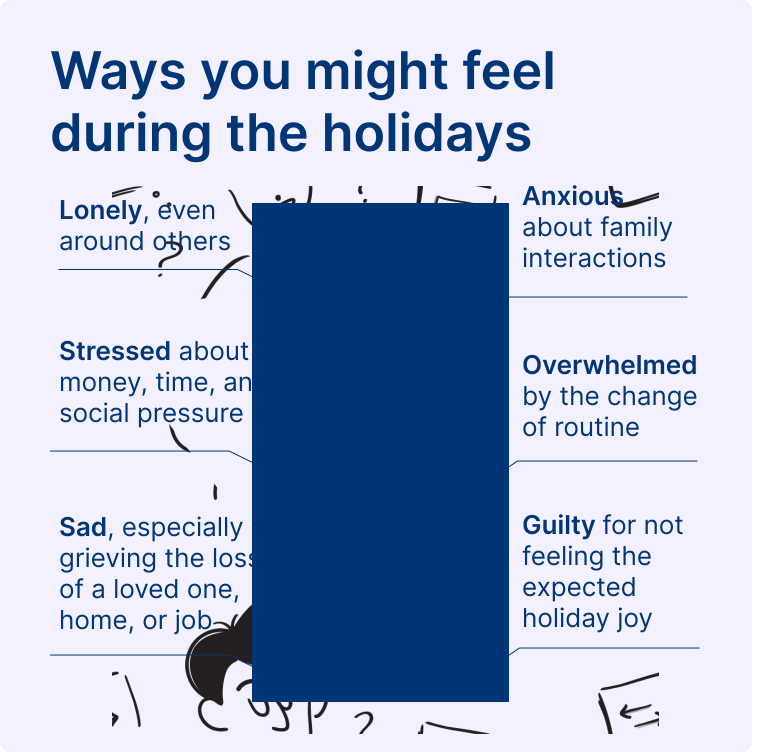
It's okay to feel lonely, angry, anxious, stressed, sad or something else entirely. The most important thing is that you acknowledge your emotions and remember that your wellbeing matters.
In this support guide, you'll find information on:
- Why the holiday season can feel so hard
- Practical tips for reducing stress and managing emotions
- Advice for supporting others who might be struggling.
Scroll down to learn more.
It felt isolating being surrounded by everyone celebrating, hugging, dancing and laughing. I felt so disconnected.
Why the holiday season can be so hard
The holiday season can feel challenging for a lot of different reasons.
While everyone will have their own unique circumstances, some of the most common causes are:
- Financial stress: You might feel pressure to spend money on travel, gifts, gatherings, and food, which can be financially stressful. Remember that you can navigate this period with careful planning and resourceful strategies.
- Loneliness: When there's a mismatch between the amount of social connection we have compared to the amount we want, it's easy to feel isolated or lonely. It's important to know you're not alone, and you can take steps to ease this feeling and find connection.
- Grief and loss: It doesn't matter how much time has gone by, the loss of a person, pet, home, job, health, or the future you thought you'd have, grief can feel amplified during the holidays. With so many grief triggers around, it's important you take time to acknowledge your feelings and give yourself permission to grieve.
- Strained relationships: If you're experiencing estrangement, relationship problems, or going through a separation with kids involved, the holidays can bring up feelings of stress, sadness, guilt, grief, and anger. Communicating with family can be difficult, scary, and overwhelming, but there are things you can do to make it easier.
- Change of routine: A lot of us thrive with routines, which is why it's normal to feel out of control or overwhelmed when school, work, exercise, eating habits, or typical day-to-day schedules are thrown off course. It's okay if you need to slow down to make time for self-care.
Tips to help you manage
- Connect with your friends and family. If you can't see them in person you can connect through virtual meetings or phone calls. Sharing your feelings can lead to a stronger sense of connection.
- Volunteer. Giving your time to a charitable cause or volunteering at community events during the holidays can be fulfilling and provide opportunities to meet new people.
- Join social groups. Look for local clubs or social groups that align with your interests. Meeting people with similar hobbies or passions can combat loneliness.
- Attend community events. This can be holiday markets or charity Christmas events - these gatherings can be great opportunities to meet others.
- If you feel comfortable, consider hosting a small get-together with friends or neighbours. Being the host can help you feel more in control and connected.
- Engage in online forums or social media groups related to your interests or struggles. Sharing experiences and advice can create a sense of belonging.
- Create a list of enjoyable activities to do during the holiday season, like hiking, cooking, or art. Keeping busy with things you love can help you feel less lonely.
- Be kind to yourself and practice self-compassion. Understand that it's ok to feel lonely and that self-care is essential.
- Reach out to mental health professionals or support hotlines if loneliness becomes overwhelming. Remember, Lifeline is always here for you.
You can also try some other strategies to combat loneliness and build social connections.
- Set a budget. Determine how much you can afford to spend on gifts, decorations, and festivities. Stick to your budget to avoid overspending.
- Make a gift list. Create a list of people you want to buy gifts for and allocate a budget for each person. Consider thoughtful gifts that don't necessarily have to be expensive. For example, handmade gifts can be a budget-friendly alternative. They show your thoughtfulness and creativity.
- Suggest a Secret Santa among family or friends. This could reduce the number of gifts you need to purchase.
- Avoid impulse buying. When shopping, stick to a list and avoid impulsive purchases. It can be easy to get carried away during the holiday sales.
- Re-evaluate traditions. Consider discussing and reevaluating holiday traditions with loved ones, emphasising simplicity and togetherness over extravagant spending.
You can also check some other strategies to help you manage financial stress.
Reminders of loss can appear unexpectedly, but they often arise during the holidays. While many grief triggers are tied to places, events, or objects connected to your loss - like a visit to a cemetery, a birthday, a certain song, or the smell of perfume - it’s also normal for feelings of grief to arise without a clear reason.
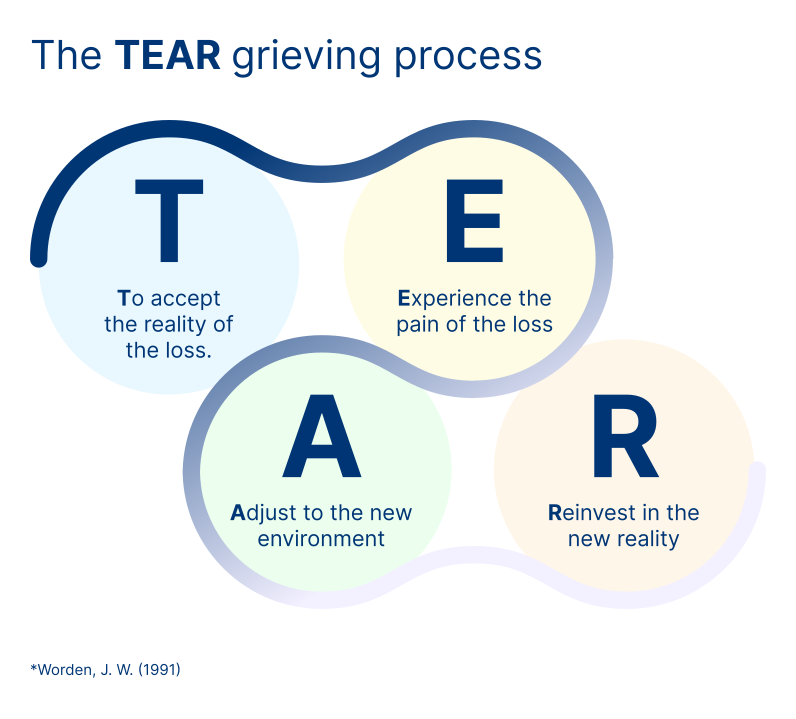
On top of learning and leaning on strategies for managing emotions, it can be helpful to turn to the TEAR grieving process. Click here to learn more about what it is and how it works.
- If you're feeling lonely or isolated because you don't have the relationships or family unit you'd hoped for, it's really important to acknowledge your emotions and know that you're not alone. No matter what's portrayed in movies or the highlight reels of social media, it's important to remember that family doesn't have to be blood-related. It can be found in friends and communities.
- Manage your expectations for the holiday season by focusing on enjoying the moments rather than striving for perfection. Also, set realistic relationship expectations. If you have family members you don’t get along with during the year, it’s unlikely these relationships will improve just because it’s the holiday season.
- Avoid comparison. Comparing ourselves to others can often make us feel less than other people.
- Set healthy boundaries with people and activities. It's okay to say no to events or commitments that may cause stress or discomfort.
Click here to learn more tips for building healthy relationships.
- Keep a planner or calendar to help you stay organised and reduce the feeling of being overwhelmed
- Reduce excessive screen time, particularly on social media, which can sometimes lead to feelings of inadequacy or loneliness. Consider a digital detox.
- Be open to changes in your traditions or routines. Flexibility can reduce stress and open the door to new, positive experiences.
- Schedule downtime to relax and recharge. It's okay to take a break when you need it.
- Document your thoughts and feelings in a journal. Expressing yourself in this way can be therapeutic and provide a sense of release.
- The holidays are an excellent time to explore new interests or hobbies, which can lead to meeting people who share your passions
- Mindfulness techniques can help you stay present and appreciate the small joys in everyday life
- Create a self-care routine that includes activities you enjoy, whether it's reading, meditation, exercise, or simply taking quiet moments for yourself. You could even create your very own self-care box.
How to feel connected
Feeling a sense of belonging, especially if you're dealing with challenges like grief and loss or addiction, is really important during the holidays.
You may find it helpful to search Lifeline's Service Finder for local support groups and support services or reach out for peer support via eFriend or Friendline.
You can check out online forums like:
Continue reading for more tips.
- Make that first step to reconnect with friends and family you haven’t spoken to in a while through a call, text, or message
- Reach out to friends and family with heartfelt messages, cards, or handwritten letters to let them know you're thinking of them
- Plan to spend meaningful, quality time with your loved ones, whether it's a heart-to-heart talk or a fun activity
- Collaborate on a holiday playlist with friends or family members, adding songs that hold special meaning to each of you
- Participate in online groups or communities related to your interests or hobbies, where you can engage in discussions and connect with like-minded individuals.
- Find online events on sites like Meetup, such as virtual holiday markets or workshops, where you can meet new people and share in festive experiences
- Collaborate on a group project with friends, such as a book club or recipe exchange, creating opportunities for connection and shared experiences
- Host online game nights where you can play digital or board games with friends and family over video calls.
Click here to learn more tips for building strong social connections.
- Look for simple ways to communicate with others around you by offering a kind word or gesture. This could be as simple as smiling at a stranger, starting a conversation with the barista while they’re making your coffee, or complimenting somebody on their style
- Seek out volunteer opportunities to make a positive impact in your community while connecting with others who share your commitment to helping
- Offer to run errands or provide assistance to elderly or vulnerable people who may need support during the holiday season
- Volunteer to take care of pets for friends or neighbours who may be travelling for the holidays. A bonus of pets is that they can make you feel much less lonely!
- Engage in activities you enjoy on your own, whether it's reading, creative hobbies, or solo outings connecting with nature
- Take some quiet time for self-reflection through journaling. You can think about your values, goals, and what the holiday season means to you
- Set boundaries to protect your personal time and wellbeing, ensuring you have moments for self-care and relaxation
- Acknowledge your personal achievements and growth, no matter how small, to strengthen your self-esteem
- Keep a gratitude journal to document the things you're thankful for, focusing on the positives in your life
- Embrace moments of solitude as an opportunity to recharge and reconnect with your inner self
- Set achievable personal goals or intentions for the holiday season to give yourself a sense of purpose and accomplishment.
Click here to learn more about how self-esteem impacts mental health and wellbeing.
I started reading a lot and spent time on forums. That's where I found a lot of support.
These tips might not work for everyone, and that’s okay.
Sometimes, we really do feel like we are all on our own, and it can be an incredibly lonely feeling.
However deep your sense of isolation may be, please know that Lifeline is here for you 24 hours a day, 7 days a week via 13 11 14, text, and online chat.
Supporting others
While the holiday season is often associated with joy and celebration, it's important to remember that for some, this time of year can be a period of challenges and emotional struggles.
Holidays can be an opportunity to extend a helping hand, share warmth, and provide comfort to friends, family members, and even strangers who may be experiencing difficulties.
Below, you can learn ways you can offer support and kindness to those who may be facing difficulties during the holidays.

Whether the other person is experiencing loneliness or overwhelm, having the comfort of knowing someone cares can go a long way.
During the holidays, try to check in on the other person as much as possible. Not just during the holidays but also leading up and in the weeks following (emotional challenges may persist beyond the holiday season). On top of letting them know you're there, you can also ask how you can be most helpful to them during the holiday season.
If someone is grieving, you can offer emotional support by acknowledging their loss and being there to listen when they want to talk
- Let them know that it's perfectly normal to feel this way, and they won't be judged for their emotions
- Spend quality time with those who need support. Sometimes, the simple act of being together can provide comfort and reassurance
- Let them know that you love and care about them. A simple "I love you" or "I'm grateful to have you in my life" can be comforting
- Be patient and persistent in offering your support without expecting immediate changes in their emotional state.
- Try to understand and validate their emotions. Express empathy by saying things like, "I can imagine how tough that must be for you" or "I'm here for you, and I care about how you feel."
Click here to learn more tips for supporting someone who's experiencing grief and loss.
Lightening someone's load (especially in the money department!) is a great way to show kindness and support.
You can start by:
- Offering practical assistance, whether it's helping with errands, childcare, or providing a comforting meal
- Assist with holiday preparations, such as decorating, shopping, or cooking, to ease the load on those who may be overwhelmed
- Relieve financial stress by helping them source cost-effective or handmade presents.
Financial stress can be overwhelming, especially when there's an expectation of gift-giving and holiday expenses.
Click here to learn more ways you can support someone who's experiencing financial stress.
It's important to recognise that not everyone has a joyful holiday experience, and that's okay. Remember, some people may be dealing with grief, loneliness, financial stress, or other challenges.
If hosting gatherings, ensure they are inclusive and accommodating to everyone's needs and preferences.
Here are a few more tips:
- Respect the other person's boundaries and choices, even if it means they may not wish to participate in some holiday activities
- Encourage the other person to set personal boundaries, supporting their need for self-care and downtime
- Create an environment where people feel safe sharing their feelings, whether they're experiencing sadness, anxiety, or any other emotions during the holidays. Be flexible with holiday plans, and understand that they may need a more relaxed or adjusted schedule.
Click here to learn more about why self-care is so important for mental health and wellbeing.
- Share information about support groups or mental health resources that may be helpful
- Promote connections with others who may be experiencing similar challenges during the holidays
- If their emotional struggles seem overwhelming or prolonged, gently suggest seeking help from a mental health professional. Offer to help them find a psychologist if needed.
When stressed and overwhelmed, it can be difficult to give yourself permission to make time for self-care.
If possible, encourage the other person to try self-care practices such as meditation, mindfulness, journaling or engaging in activities that bring them joy and relaxation.
It can be really powerful even just to hear that you deserve to be a priority.
The holiday season may bring its own set of difficulties for children and young people.
If you're worried about a young loved one, here are some extra steps you can take to foster connections and provide support:
- Encourage a healthy perspective on the holiday season. Explain that it's okay not to feel cheerful all the time and that it's normal to experience ups and downs.
- Validate their emotions, even if they don't align with the festive mood. Let them know it's okay to feel sad or stressed, and that you're there to help.
- Children and young people often learn by example. Demonstrating how to cope with stress and adversity in a healthy way can be valuable.
- Create a safe space for open dialogues. Encourage children and young people to express their thoughts and feelings about the holidays, including any concerns or stress they may have.
- Teach them age-appropriate coping strategies, such as deep breathing, journaling, or talking to a trusted adult if they're feeling overwhelmed.
- Keep an eye out for signs of emotional distress or behavioural changes. If you notice any concerning signs and are not sure what to do, don't hesitate to seek professional guidance to ensure they receive the support they need.
For children and young people experiencing the overwhelm that can come with social media and being online, you may want to invite them to consider doing a digital detox. On the flip side, you may find they are in need of social connection and could benefit from engaging with online support services like ReachOut.
We know this can be a really difficult time, which is why we're here to listen, offer understanding, and walk this journey with you - 24 hours a day, 7 days a week.