Understanding and managing anger
What is anger?
We experience anger when our minds and bodies react to things, people, and situations we find threatening, frustrating, or unfair.
When recognised, listened to, and expressed in healthy ways, anger can play an important role in keeping us safe and can help motivate us towards positive change. For example, anger might be telling us:
- We’re feeling overwhelmed
- Our boundaries have been crossed
- Certain needs aren't being met.
Even though anger is a natural and helpful emotional response that most of us experience from time to time, not recognising or knowing how to manage it can lead to relationship problems, aggressive behaviour, and other potential negative consequences.
If you’re here because you or someone you care about is struggling with anger, you’re not alone. Anger is something a lot of us need help with. It can be uncomfortable or distressing to feel angry, especially if it’s happening more frequently or starting to feel out of your control.
In this support guide, you’ll learn about some of the common reasons we can feel angry, the differences between healthy and unhealthy anger, signs anger is becoming a problem, as well as practical strategies, tools and apps, and support services to help you recognise and manage anger.
Scroll down to learn more.
Causes of anger
Understanding why you might be feeling angry is an important step toward learning how to recognise and manage it.
Sometimes, it’s obvious why we feel angry: An event didn’t go to plan, someone we care about has been treated unfairly, or we’re overwhelmed by ongoing challenges.
Other times, pinpointing why we’re suddenly irritated or filled with rage can be more complex.
Here are some of the common reasons we might get angry:
- Feeling physically or emotionally attacked
- Feeling let down by ourselves or others
- Unresolved arguments or disagreements
- Talking or reading about sensitive topics
- Being in situations where we feel out of control
- Lack of communication or miscommunication
- Environmental stressors like noise and clutter
- Growing up around frequent anger
- Being in social groups that encourage anger
- Dealing with illness or pain
- Problems with sleep
- Stress and overwhelm
- Struggles with addiction, depression and/or anxiety.
Keep in mind that this is not an exhaustive list and it’s okay if you don’t always know what’s causing you to feel angry.
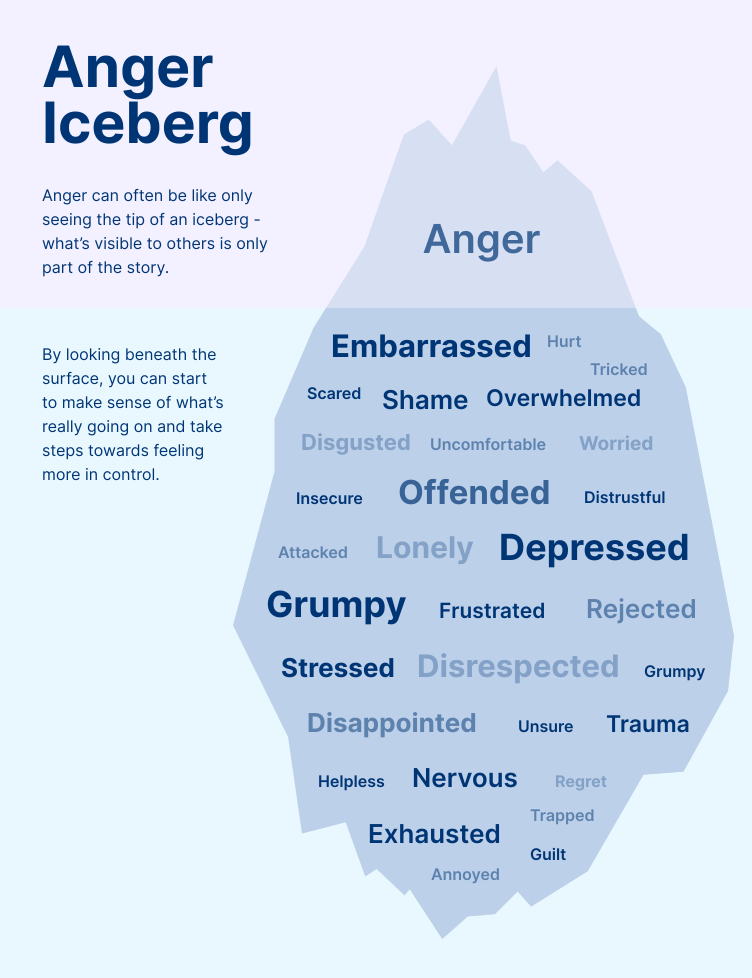
Anger can often be like only seeing the tip of an iceberg - what you see on the surface is only part of the story. Beneath the visible anger, there may be deeper emotions like hurt, fear, or frustration.
Understanding and addressing these underlying feelings is key to managing anger in healthy ways.

Recognising anger
Anger can look and feel really different for everyone. For example, when a child is angry, they might scream, cry, and refuse to get in a car, while an adult might withdraw from friends, have frequent headaches, and struggle with sleep.
Understanding how it feels when you’re angry is a powerful first step towards learning how to manage it. Below, you can read about some of the common ways anger can affect your body, mind, emotions, and behaviour.
When you’re angry, you might notice feelings in your body like:
- A pounding or racing heartbeat
- Rapid/shallow breathing, or like you’re holding your breath
- Shakiness or trembling
- Tightness in the shoulders, neck, or jaw
- Clenching your hands or jaw
- Dry mouth or teeth-grinding
- Hot flushes, especially on your face and chest
- Sweating, even in a cool environment
- Headaches or dizziness
- Stomach pain or queasiness
- Restless, like you can’t sit still
- Sleep problems, especially when anger is persistent.
Help is available.
Not getting enough sleep can leave you feeling overwhelmed, distressed, and alone. If you’re struggling to cope and would like support, you can:
- Learn tips for talking to someone you trust
- Make an appointment with your GP
- Contact Lifeline. We're here for you 24 hours a day, 7 days a week via 13 11 14, text, and chat. If life is in danger, call 000.
You can learn more about the importance of sleep and mental health by clicking here.
How anger can affect your mind and emotions
Along with physical sensations, it’s common to experience a wide range of different thoughts, feelings, and emotions when you’re angry.
When you’re angry, you might feel:
- Impatient, irritable, and easily annoyed
- Frustrated for longer than usual
- Distracted, brain-foggy, and unable to focus
- Resentful towards other people or situations
- Intense and sometimes uncontrollable rage
- Increasingly verbally and/or physically aggressive
- A constant need to rehash events, replay conversations, or focus on negative thoughts surrounding the person, thing, or situation that caused your anger.
Ultimately, the way you react and act when you're angry depends on how you’ve learned to cope with difficult feelings. The good news is - it’s always possible to change your behaviour and learn new ways to cope.
Now, let’s look at some of the ways to recognise anger in your behaviour.
Recognising angry behaviour
Everyone has their own way of expressing anger, and it can show up differently for each person.
For some, anger might come out as:
- Yelling, using harsh language, or slamming things around
- Breaking things or getting physically aggressive
- Lashing out at others with threats or verbal abuse.
Others may internalise their anger by:
- Criticising themselves (which can lead to or worsen low self-esteem)
- Neglecting basic self-care needs like food and sleep
- Pulling away from things that usually bring comfort or joy
- Isolating from people or engaging in harmful behaviours.
Anger can also show up in more subtle ways, like:
- Refusing to engage in conversation or ignoring others
- Hinting at leaving or hurting yourself
- Avoiding tasks or self-sabotaging
- Making sarcastic or passive-aggressive comments.
The earlier you notice these signs, the more control you’ll have over how you respond. It’s not always easy, especially when the anger feels intense, but being aware can help you make choices that feel better for you in the long run.
Healthy vs unhealthy anger
A healthy response to anger doesn’t mean ignoring or pushing your feelings aside. It means choosing to acknowledge your feelings and emotions and then reacting in a positive and constructive way.
For example, healthy anger can help you:
- Communicate your feelings and needs
- Telling a colleague, ‘I felt upset and overlooked in today's meeting when my ideas weren't considered,’ gives them an opportunity to be more inclusive in the next meeting.
- Set and maintain personal boundaries
- Letting a friend know, ‘I was really upset that you didn’t call before coming over and I’d prefer if you call before visiting,’ helps protect your personal space.
- Find solutions and resolve conflicts
- Discussing frustrations in a relationship, rather than avoiding them because you’re angry, can lead to mutual understanding and a deeper connection.
- Reduce stress by releasing built-up tension
- Expressing your feelings of frustration can result in feeling less stressed and prevent the build-up of resentment.
- Work towards positive change
- Feeling angry about a community issue might inspire you to volunteer or advocate for change.
What is unhealthy anger?
An easy way to think of anger is like a pressure cooker. At some point, the pressure in a cooker needs to be released, or it will build up too much, leading to an explosion.
This is similar to how we might experience unhealthy outbursts or suppressed anger. Suppressing anger is like keeping the lid tightly sealed; you're holding in your emotions instead of letting them out in a safe, controlled way.
Unhealthy and suppressed anger can feel impossible to control and can lead to:
- Aggressive behaviour and violence
- Yelling at someone over a minor disagreement or resorting to physical fights.
- Relationship problems and social isolation
- Having frequent outbursts that cause friends and family to distance themselves.
- Impaired judgement and decision-making
- Making impulsive decisions, like quitting a job on the spot rather than taking the time and having the space to think about the decision.
- Physical health conditions
- Being constantly angry can contribute to high blood pressure or heart problems.
- Unhealthy coping mechanisms
- You might turn to gambling, self-harm, or alcohol or other substances to try and cope with the suppressed anger or distract yourself.
Anger affects everyone differently, but noticing the signs of too much or too little anger can help you understand your feelings and manage them better.
- Frequent outbursts and difficulty controlling your temper
- Constant irritation and feelings of overwhelm
- Physical aggression towards others or property
- Verbal abuse, shouting, or making threats
- Increased heart rate and tension in the body
- Persistent feelings of frustration and hostility
- Holding grudges
- Difficulty in maintaining relationships due to your anger.
- Avoiding conflict or people in general
- Passive-aggressive behaviour, such as the silent treatment or sarcasm
- Difficulty expressing feelings and needs
- Emotional numbness
- Resentment and bitterness (often building up over time)
- Low self-esteem and a sense of helplessness or powerlessness
- Frequent feelings of sadness, depression, and/or anxiety
- Physical symptoms like headaches, stomach issues, or other stress-related ailments.
Anger and mental health
Anger and mental health are closely linked.
Sometimes, anger might be a sign of underlying mental health challenges or conditions. For example, the constant worry associated with anxiety can make you feel irritable, while unresolved experiences associated with past trauma might surface as anger.
Experiencing mental health challenges can also make it tougher to manage anger. For example, someone with depression may find it challenging to express their frustration in a healthy way, leading to feelings of helplessness or even rage.
It's important to recognise that just like anger, mental health challenges can show up differently in everyone. Some people, for instance, may express their struggles through anger, even if what's beneath the surface is actually sadness, fear, or frustration. They may appear angry but could be silently experiencing mental health challenges, or their unmanaged anger might be negatively impacting their wellbeing, often without them even realising it.
Anger can sometimes be a hidden sign of depression. While depression often shows up as sadness or hopelessness, men may be more likely to experience irritability, frustration, or anger due to societal expectations about expressing emotions.
If you're noticing persistent feelings of anger or irritability, it's important to know that you're not alone and help is available. Reaching out to someone you trust or a mental health professional can be a brave first step towards feeling better.
Acknowledging these feelings is a sign of strength, and seeking support can lead to a better, happier life.
When is anger a problem?
Feeling angry from time to time is completely normal. However, anger isn’t just feeling upset. On top of it impacting your mental and physical health, anger has the potential to harm your relationships, reputation, career, and other life areas.
It’s important to understand these broader effects so you can gain awareness and take the steps necessary towards a healthier and happier life.
Signs your anger might be a problem:
- Frequent and intense outbursts that disrupt your personal or professional life
- Persistent emotional distress, irritability, and difficulty moving past disagreements
- Harmful behaviours like physical aggression, verbal abuse, shouting, or making threats and intimidating others
- Experiencing legal or financial troubles due to behaviours associated with anger
- Chronic health problems like high blood pressure, heart issues, or headaches
- Engaging in unhealthy coping mechanisms such as substance misuse, problem gambling, or self-harm
- Strained or broken relationships, isolation, or struggles with domestic and family violence-related behaviours
- People have told you, or you suspect you have ‘anger issues’.
Unmanaged anger can escalate into abusive or violent behaviour.
If you’re a man using abuse or violence in relationships and are here because you want to explore options for changing your behaviour, you can contact Men’s Referral Service (1300 766 491) 24 hours a day, 7 days a week.
If you think you might be or are at risk of experiencing domestic and family violence, you can call 1800RESPECT (1800 737 732) or Full Stop Australia (1800 385 578). If life is in danger, call 000.
Remember, recognising that anger is impacting your life in any way is a powerful first step. And no matter how difficult things might feel in your life right now, you are not alone and it can get better.
Continue reading to learn anger management strategies you can try right now or turn to in the future.
Anger management strategies
Managing anger can feel overwhelming, especially when it takes over in the heat of the moment. Having a set of simple, practical strategies can make a real difference, helping you to stay calm and regain control.
In this section, you can explore easy-to-use techniques that can be used both immediately and in the future, offering you support whenever those feelings of anger start to rise.
Keep in mind that everyone experiences anger differently, so what works for one person may not work for you, and that’s perfectly okay. The important thing is to keep trying different techniques until you find the ones that resonate with you.
What can I try now?
If you’re experiencing symptoms such as racing thoughts, difficulty breathing, and a rapid heart rate, a grounding technique like box breathing is something you can use to regain a sense of control within minutes.
If you’d like to try box breathing now, click play on the video below.
Scroll down for more short and long-term techniques and strategies.
Putting space between your reaction and action can give you time to cool down, reflect on your emotions, and then choose a helpful action. (It can also prevent you from saying or doing something you might regret later.)
- If possible, remove yourself from the situation that's causing you to feel angry. You might go for a walk, move to a different room, or take a few moments alone.
- For example, if a conversation is getting heated and you can feel it in your body that you’re getting angrier, you can say, ‘This is not productive right now. I’m just going to take a moment to clear my head,’ and then step outside for some fresh air.
Alternatively, you can try slowly counting from 1 to 10. Even just this brief pause can give you time to think and decide how you want to respond rather than reacting impulsively.
Sometimes, anger can feel like it’s going to make us implode. Moving your body can be a helpful way to release built-up energy.
You can:
- Roll your shoulders, stretch your neck, or shake out your hands
- Jump up and down in place
- Go for a walk, run, or swim
- Take a group fitness class like boxing
- Practise yoga.
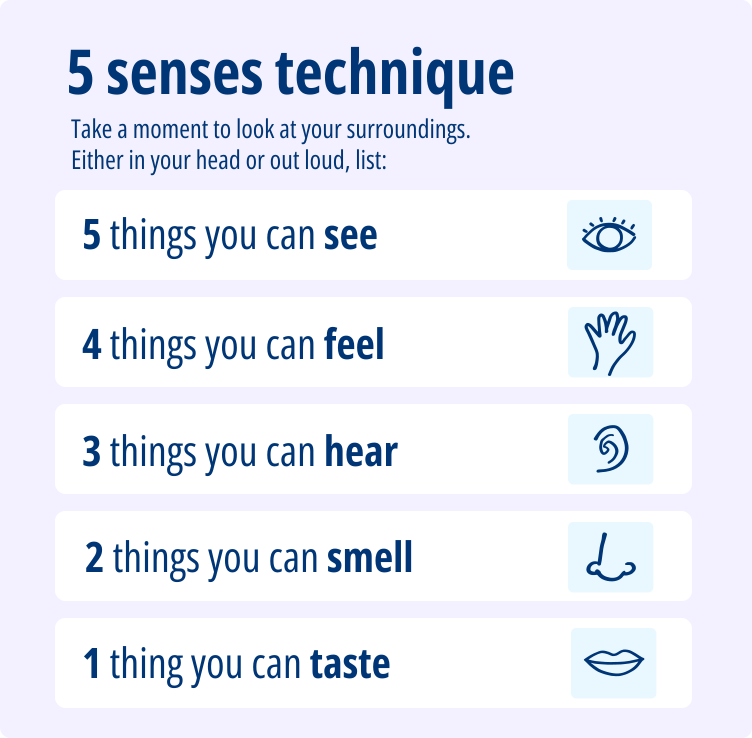
Grounding techniques like deep breathing, body scans, and the 5 senses technique can help you shift your focus to what’s happening right now and away from whatever is causing you to feel angry. They can be used anywhere, at any time, and without others knowing.
Click here to explore a wide range of techniques to try. Alternatively, you can try the 5 senses technique below.
The more positively you talk to yourself, the more positive you’ll feel about your ability to manage your anger.
Even if you don’t believe it at first, using affirmations like ‘I can take deep breaths until my anger dials down’ and ‘I have the power to choose how I respond’ can be really effective ways to put space between your reaction and action.
Keep in mind that self-esteem and mental health are closely linked. Click here to learn more about the importance of creating healthy self-esteem.
As powerful and overwhelming as they can feel, a thought really is just a thought, and you don’t have to believe it’s true.
- When negative thoughts arise, ask yourself if there's another way to view the situation. Are there any facts you might be overlooking? Alternatively, you could ask yourself what the thoughts are trying to tell you. Remember, anger can be healthy when it leads to positive changes.
- Consider a balanced perspective: Think about the other person's point of view or any external factors that might be at play. For example, instead of thinking, ‘They did that just to upset me,’ consider, ‘Maybe they're having a tough day and didn't realise how that came across.’
- Try non-judgemental awareness: Acknowledge your feelings without labelling them as 'good' or 'bad'. It's okay to feel how you feel.
Click here to learn more and to try a CBT-based thought challenging activity.
Processing your feelings and emotions before expressing how someone has upset you is a healthy way to manage anger. You can journal your thoughts and feelings in a notebook or notes app or talk to someone you trust about your experience.
When you’re ready to express yourself, try to:
- Meet with the person face to face. Difficult conversations tend to go better when someone can see your body language, or at least hear the tone of your voice.
- Use ‘I’ statements. For example, ‘I felt upset when ... ‘ vs ‘You made me feel ...’
- Be specific: For example, ‘I felt really frustrated when you changed the plans at the last minute because I missed out on something else. It made me feel like you don’t care about or value my time.’
Click here to learn more about having difficult conversations and building healthy relationships.
If you find that your anger surrounding a particular situation is lingering or causing you to ruminate or hyper-focus on what happened, try distracting yourself.
You can listen to music or a podcast, read a book, play a game on your phone, clean or organise your home, do a puzzle, or engage in a hobby that calms you.
Distraction is a form of self-care and is an important way we can take care of our mental health and wellbeing. Click here for more ideas of what you can do to practise it.
Sometimes, just sharing your thoughts can lighten the burden and provide perspective. This could be with a friend, family member, someone you trust, or a health professional.
If you’d like professional anger support, you can book an appointment with a GP to help you figure out next steps or work with you to create a Mental Health Treatment Plan.
Not sure what to say? Click here to read our article on talking to someone you trust.
Dealing with anger is something a lot of us struggle with and it isn’t something you have to deal with on your own.
There are a number of support services that can help, including Lifeline. You can connect with a crisis supporter 24 hours a day, 7 days a week via 13 11 14, text, and chat. If life is in danger, call 000.
Click here to learn what to expect when contacting Lifeline.
Long-term management
Managing anger for the long term goes beyond simply handling moments of frustration. It involves building a foundation of skills and habits that help you navigate life's challenges, address the underlying causes of anger, and respond in healthier ways.
Consider it more like training for a marathon rather than a sprint - it takes time, practise, and persistence.
Here are some strategies to support you on this ongoing journey:
By getting to know what makes you feel angry and planning how to handle it, you can feel more in control and less overwhelmed.
- Start paying attention to what sets you off. Whether it's certain situations, people, or ongoing stress. Recognising these patterns is the first step in gaining control over your reactions.
- Monitor your emotional responses: Keep a mental note or a journal of how you react in moments of anger. Over time, this will help you understand when and why your anger flares up, giving you more insight into how to manage it.
- Create healthy coping strategies: Reflect on what has helped you calm down in the past and think about how you can use those techniques again. For example, if being stuck in traffic often leaves you frustrated, plan ahead by listening to music or podcasts you enjoy during your commute.
Click here to download MensLine's printable anger management worksheets.
Lowering your overall stress levels can make it easier to manage anger before it builds up.
- Improve time management: Organising your day can help you feel more in control and less overwhelmed. Try using a planner or digital calendar to keep track of tasks and appointments so you have a clear plan and reduce last-minute stress.
- Practise relaxation techniques: Incorporate mindfulness, meditation, or deep breathing into your daily routine. When done consistently, these practices can help train your mind and body to stay calm and centred, making it easier to handle stressful situations without anger taking over.
By reducing stress and staying organised, you create a solid foundation for managing anger for the long term.
Click here to learn about getting started with mindfulness and meditation.
When you feel good about yourself and confident in your abilities, you’re less likely to feel threatened or overwhelmed by situations that might provoke anger.
- Try positive self-reflection: Recognise your strengths and achievements, no matter how small they are. If you do this regularly, it can help you to build a more positive image of yourself and make it easier to handle frustration and anger.
- Practise self-compassion: Say kind things to yourself when you’re experiencing anger and remind yourself it’s a natural emotion and everyone struggles with it from time to time.
- Set realistic goals: Focus on achievable goals that help you feel like you’ve achieved something. This can reduce feelings of inadequacy that can contribute to feeling angry.
Click here to learn more about the importance of self-esteem and mental health.
Self-esteem and mental health
When you're able to express yourself clearly and listen effectively, it becomes easier to manage anger and resolve conflicts in a healthy way.
- Express yourself clearly: Focus on communicating your thoughts and feelings in a calm and respectful manner. Avoid being aggressive or passive, and instead, speak with clarity about what you're experiencing.
- Practise active listening: In moments of anger, take time to really hear the other person's perspective. Show you’re listening by nodding, making eye contact, or summarising their points. Listening with the goal of understanding, rather than just responding, can help defuse tension.
- Stay calm and collected: When discussing difficult feelings, aim to stay steady in your tone and pace. If you start feeling overwhelmed, take a pause and regroup. Remember, it’s okay to step back and revisit the conversation when you’re calmer.
- Set clear boundaries: Let others know what you need to feel respected and supported. Expressing your boundaries can help prevent situations that trigger anger while ensuring your needs are understood.
Working on these communication skills can create healthier, more supportive conversations and help you manage anger before it escalates.
Click here to learn more about building healthy relationships.
Addressing the underlying causes of anger can help you find long-term solutions, reducing frustration and stress in the future.
- Address the root causes: Focus on what’s really driving your anger rather than applying quick fixes. If financial stress is a trigger, for example, creating a budget or seeking financial advice could help reduce the pressure in a meaningful way.
- Break down the problem: When a situation feels overwhelming, try breaking it into smaller, more manageable pieces. Tackling one part at a time makes it easier to think clearly and come up with solutions without feeling consumed by the issue.
- Avoid short-term fixes: Quick solutions might help in the moment, but they won’t resolve the deeper issues that are fuelling your anger. Take some time to brainstorm different ways you could address the root problem. Write down all your ideas, no matter how small or unlikely they seem. This will help you see more options and create lasting change.
Remember, anger is similar to an iceberg in that it’s often hard to see what’s actually below the surface. Taking time to dig deep and address underlying emotions is an important part of the journey.
Creative expression can be a powerful tool for processing anger in healthy ways, giving you new insights and outlets for your emotions.
- Express your emotions through creativity: Whether it’s music, art, or writing, these activities allow you to channel your feelings and release tension in a constructive way.
- Use journaling for clarity: Writing in a journal can help you organise your thoughts and understand your emotions more deeply. It can also offer fresh perspectives on what’s making you angry, helping you respond more calmly.
By engaging in creative activities, you can find new ways to manage anger and connect with your emotions in a healthier, more insightful way. Click here to find prompts and tips for journaling your thoughts and feelings.
Taking care of your overall wellbeing plays a big role in managing anger in a healthy way. Self-care helps balance your physical, emotional, and mental health, making it easier to stay calm and in control.
- Make healthy lifestyle choices: Focus on habits that support your wellbeing, like eating a balanced diet to boost your mood and energy and avoiding substances like alcohol or drugs that can intensify anger.
- Prioritise sleep: Create a relaxing bedtime routine. Whether it’s reading, gentle stretching, or something else that helps you unwind. Consistent rest makes it easier to manage irritability and stay emotionally balanced. Click here to learn more about the importance of sleep and mental health.
Incorporating self-care into your routine can help reduce anger and create a strong foundation for long-term emotional resilience. Click here to learn more about self-care for mental health and wellbeing and ideas for getting started.
Self-care for mental health and wellbeing
Setting realistic goals can help you make progress without feeling overwhelmed or frustrated.
- Break your goals into small steps: Instead of aiming to completely eliminate anger, focus on manageable actions like pausing before you respond when you feel upset. Small wins build confidence, raise your self-esteem, and lead to lasting change.
- Stay flexible: Things won’t always go as planned, and that’s perfectly okay. Be open to adjusting your approach when necessary, and remember to be kind to yourself throughout the process.
By setting achievable goals, you can make steady progress in managing your anger and feel more in control of your emotions.
Having a support network can make a huge difference in managing anger and staying grounded.
Surround yourself with friends, family, or peers who offer encouragement and a fresh perspective. Connecting with people who care about you can help you feel less isolated and more understood.
Click here to learn tips for building strong social connections.
Remember, if you need immediate support, Lifeline is always here for you. You can connect with a crisis supporter 24/7 via 13 11 14, text, and chat. If life is in danger, call 000.
You don't have to go through this alone.
Sometimes, managing anger on your own can feel overwhelming. Seeking professional help can provide the relief, guidance, and tools you need to get started and stay on track.
- Explore counselling or therapy: Working with a mental health professional can help you understand the deeper issues behind your anger and equip you with personalised coping strategies.
- Join support groups: Connecting with others who are facing similar challenges can provide new perspectives and strategies for managing anger in a supportive environment.
- Look into anger management programs: Consider enrolling in structured courses or workshops designed to teach practical techniques for managing anger. You can also explore our list of anger management tools and apps that can offer additional support and guidance.
Reaching out for professional help can offer the support you need to navigate and manage your anger in healthy ways. Click here to read tips about finding the therapist that’s right for you.
Keep in mind that managing anger is a journey, not an overnight fix.
Setting realistic expectations can help you stay on track without feeling overwhelmed or discouraged. Don’t expect yourself to master anger management right away. Change takes time, and it’s okay to progress gradually.
It’s important to be patient and compassionate with yourself as you build long-term habits that help you manage your anger more effectively.
Tools and apps
Below, you’ll find tools like online learning programs, forums, wellbeing apps, and podcast episodes that can help you understand and manage anger.
Lizzie's Story
Support services
Below, you’ll find support services that offer information, counselling, and referrals to local organisations in your area.
If you’re a man using abuse or violence in relationships and are here because you want to explore options for changing your behaviour, you can contact Men’s Referral Service (1300 766 491) 24 hours a day, 7 days a week. It’s free, confidential, and a positive first step.
Search for more services
Use the Lifeline Service Finder to search for more local and national services available to help support you.