Problem gambling
Understanding problem gambling
Problem gambling happens when gambling starts to affect your life, relationships, or finances in ways that feel harmful or out of control.
While gambling might feel exciting or like a way to escape, it can be hard to stop once it becomes part of your routine. If gambling is starting to feel overwhelming, you’re not alone.
With the right support, it's possible to take back control and create positive change.
What is considered gambling?
Gambling can show up in more ways than you might expect. It’s not just pokies or betting on the races. It can include things like:
- Lotto and scratchies
- Card games with money involved
- Sports betting or online betting
- Casino games
- Stock market speculation or cryptocurrency trading, especially when it feels risky or out of control.
In Australia, around 70% of adults take part in some kind of gambling each year. For many, it’s a once-in-a-while thing. But for some, it can become overwhelming and affect the way they think, feel, and act, making everyday life harder to manage.
- People experiencing problem gambling lose, on average, around $21,000 each year
- They're six times more likely to go through a divorce
- They're four times more likely to experience challenges with alcohol use
- Children of parents who struggle with gambling are up to 10 times more likely to develop gambling challenges themselves.
Gambling challenges don’t always look the same. And problem gambling does not have to mean you are totally out of control. It's any gambling behaviour that disrupts your life, your relationships or the lives of the people around you.
A common reaction is to minimise, hide or deny gambling problems and the harm they could be causing. Some people might also actively lie to themselves or others about how much money or time is being spent on gambling. For many, accepting that their gambling is becoming a problem can be difficult.
Whenever I had time, money or opportunity, I was mentally drawn to gambling.
If you'd like more information on problem gambling, you can:
- Read about the signs and effects of problem gambling
- Learn short-term strategies to help understand and manage gambling habits
- Find information on how to support someone who's experiencing problem gambling.
Click here to download, save, or print our problem gambling fact sheet.
Signs and effects of problem gambling
Gambling can start off feeling like just a bit of fun or a way to escape stress, but over time, it can become harder to control. If you’re starting to wonder whether gambling might be affecting your life, you're not alone, and it's okay to ask these questions.
How do I know if gambling is becoming a problem
Everyone’s experience is different, but here are some signs that gambling might be getting in the way of your wellbeing:
- Spending more time or money on gambling than you planned
- Trying to win back your losses (‘chasing losses’)
- Thinking about gambling daily or feeling restless when you’re not gambling
- Missing out on important moments like time with loved ones, work, or social events because of gambling
- Feeling guilt, shame, or regret after gambling
- Arguing with people you care about over gambling
- Hiding your gambling or lying about how much you spend
- Borrowing money or selling things to gamble
- Feeling stressed about debt, bills, or financial security
- Noticing changes in your mood, sleep, or overall mental wellbeing.
If any of this sounds familiar, you’re not alone, and it’s not your fault. Gambling is designed to be exciting and rewarding, which makes it easy to get hooked.
The highs and lows can affect your brain in powerful ways, making it hard to stop even when you want to. Some people might even develop an addiction.
I started gambling when I was young, playing poker machines for 20 years. That was why I became homeless - I gambled all my money away.
How gambling can affect your life
When gambling becomes a problem, it can have a ripple effect across many parts of your life.
Some of the impacts can include:
- Financial stress: Falling behind on bills, debt, or not having enough for essentials. You may even experience homelessness.
- Relationship problems: Arguments, loss of trust, or feeling distant from loved ones
- Work and study issues: Trouble focusing, missing days, or losing motivation
- Emotional wellbeing: Increased feelings of distress, hopelessness, or feelings of anxiety
- Family life: Less time, energy, or presence for your kids or partner
- Feeling out of control: Even when you want to stop, it can feel impossible.
The effects of gambling can be heavy, but you don’t have to carry them alone. Understanding what’s happening is a powerful first step toward change.
You don’t have to figure it out all at once. Whether you're ready to make changes now or just exploring what’s possible, there are support services and self-help tools that can walk alongside you.

What causes problem gambling?
There’s no single reason why someone develops a gambling problem. It often builds over time, shaped by a mix of experiences, emotions, and habits.
What might start as a form of fun or escape can become something that’s hard to manage, and that’s not a personal failing. It’s something many people go through.
Here are some common reasons gambling can become more than just a game:
Getting lucky early on can make gambling feel like an easy way to make money, even if those wins don’t last. That sense of hope or reward can be powerful and hard to forget.
If you’re already doing it tough, gambling might seem like a way to fix things quickly. But this can lead to bigger money worries down the track, especially when chasing losses.
Click here to learn about financial stress and find the support options that are right for you.
Stress, anxiety, loneliness, and boredom are feelings that can be heavy. Gambling can offer a momentary escape, a way to feel distracted or in control. But that relief is often short-lived.
Spending time with others who gamble or seeing constant gambling ads can make it feel like just a normal part of life. It can be hard to recognise when it's starting to take a toll.
It’s common to want to win back what you’ve lost, but this often leads to more gambling and even greater losses. It can become a cycle that’s hard to break.
Gambling affects the brain in a way that can be addictive. The cycle of risk, reward, and emotional highs can make it feel like you need to keep going, even when you want to stop.
Whatever your reasons, what matters now is how you’re feeling and identifying what might help.
Remember, you don’t have to figure it all out on your own. There’s support for every stage of the journey, whether you're just starting to notice the signs or already feeling overwhelmed.
When gambling becomes addictive
For some people, gambling becomes more than a habit; it becomes a way of coping that’s really hard to let go of.
That’s because addiction isn’t about weakness or lack of willpower. It’s about how certain behaviours affect your brain, especially when you’re under emotional stress.
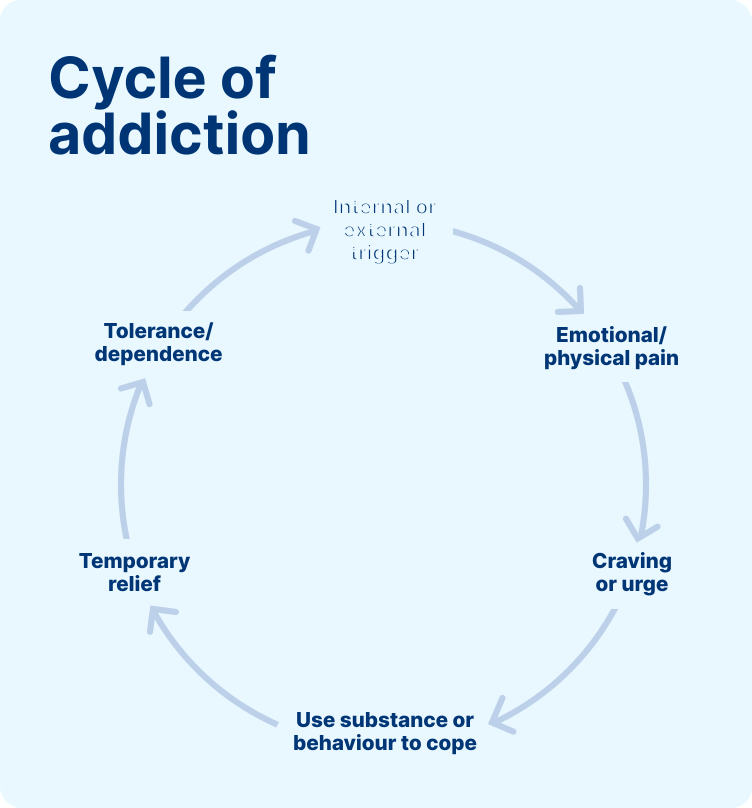
The cycle of addiction often looks like this:
- A trigger (like stress, boredom, or an argument)
- Emotional pain or discomfort
- An urge to gamble to feel better or escape
- Temporary relief after gambling
- But then there's guilt, loss, or the return of the original pain.
Over time, more gambling is needed to get the same relief. You can learn more about this cycle in our understanding and managing addiction support guide.
Short-term help for problem gambling
Sometimes, just getting through the next hour or day without gambling can feel like a huge challenge, and that’s okay. You don’t have to have it all figured out to take a step forward.
There are practical things you can do right now to ease the pressure and start to feel more in control.
Try a grounding technique
When the urge to gamble hits, it can feel all-consuming, like your thoughts are racing and your emotions are in overdrive. That’s because gambling taps into the brain’s reward system, triggering strong feelings of anticipation, relief, or escape. It can be hard to think clearly in these moments.
Grounding techniques are a way to shift your focus from intense thoughts or urges to what’s physically around you. They calm your nervous system, help you slow down, and give your brain a chance to catch up with your body. Even small moments of pause can help you move through the urge rather than act on it.
Here are a few grounding techniques that many people find helpful:
Box breathing sends a message to your body that you're safe. It slows your heart rate, reduces tension, and can help take the edge off a powerful craving. Learn how to do it below or follow along with our guided video.
- Breathe in through your nose for 4 seconds
- Hold for 4 seconds
- Breathe out through your mouth for 4 seconds
- Hold for for 4 seconds
- Repeat a few times.
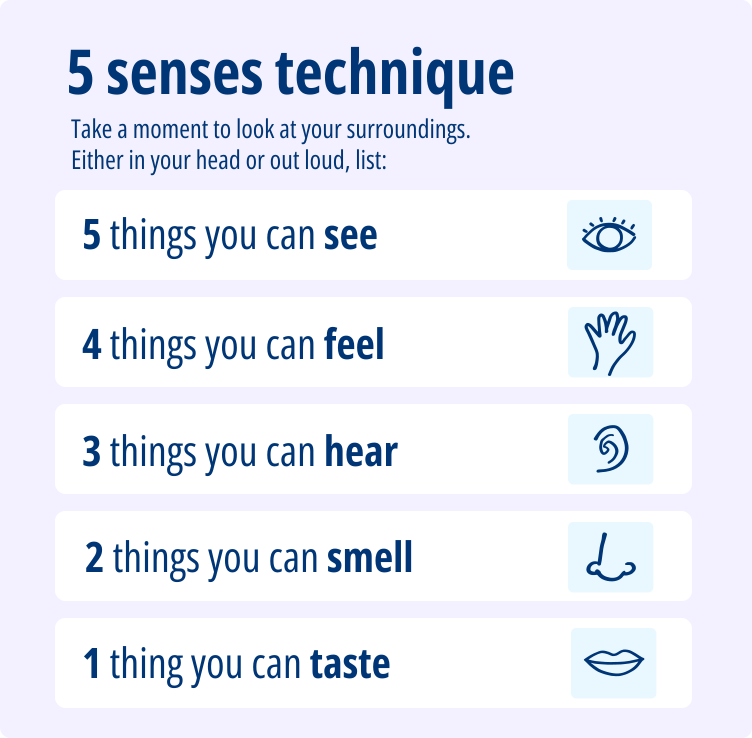
The 5 senses technique shifts your focus away from urges or distressing thoughts and grounds you in your environment. It’s especially useful when you feel overwhelmed or ‘stuck in your head.’
Getting your thoughts out of your head and onto paper can help reduce their intensity. Over time, you might start to notice patterns (like certain times of day, moods, or triggers) that give you more power to respond in new ways.
How to get started: Write down what you’re feeling and what led to the urge to gamble. You don’t need to write a lot. Even a few sentences can make a difference.
Click here to learn more about journaling your thoughts and feelings.
Set up some gentle limits
You don’t have to quit overnight. In fact, trying to stop completely without any support or preparation can sometimes feel overwhelming or even lead to stronger urges. That’s why it can help to start with a few small boundaries that protect your wellbeing and give you some breathing space.
Setting limits isn’t about punishment; it’s about giving yourself a chance to pause, reflect, and respond differently.
Urges often come in waves. They can be intense at first, but they usually pass. Giving yourself even a short delay can break the automatic cycle and help you ride out the peak of the craving.
Tell yourself you’ll wait 15 minutes before acting on the urge to gamble. Use that time to do something else, like calling a friend, having a shower, or going for a walk.
Making gambling less convenient interrupts the ‘impulse–action’ cycle. It also helps build awareness around your spending and encourages more mindful decisions.
If you usually gamble using a card or app, try switching to cash only for essentials like food or transport.
Reducing temptation can make a big difference. Taking practical steps to create space between you and gambling gives you time to make more considered choices.
You can block your access to gambling websites and apps using tools like BetStop or hand over your devices to someone you trust for a little while.
These small changes won’t fix everything, but they can help shift momentum. Every time you make a choice that supports your wellbeing, even in a small way, you’re building strength for the long term.
Reach out for support
You don’t need to go through this alone. Gambling urges can feel overwhelming, especially when they’re tied to stress, shame, or a sense of isolation. But even one honest conversation can help lighten the load.
Reaching out, whether it’s to a friend, a support service, or someone who’s been through it , can give you space to feel seen, supported, and less alone in what you’re going through. Connection can interrupt the cycle of gambling by shifting your focus and reminding you that help is out there, and you’re worth that help.
Here are some ways to start:
Shame and secrecy can keep gambling going. Speaking openly can reduce that shame and help you feel more human and hopeful. It also makes it easier to ask for practical support if you need it.
You can try opening up to a friend, family member, or someone who makes you feel safe. You don’t need to have all the words - even saying ‘I’m struggling’ can be enough.
Click here to read more tips for talking to someone you trust.
Trained counsellors can offer emotional support, suggest next steps, or just listen without judgement. Sometimes, knowing there’s someone on the other end who gets it can make all the difference.
Gambling Help Online is a free, confidential service available 24/7. You don’t need a diagnosis or a plan - just a moment of courage to pick up the phone. You can speak with a Gambling Help Online counsellor via 1800 858 858, online chat, or email.
Shared experience can create instant understanding. Peer support shows that recovery is possible and that you’re not the only one who’s struggled or who’s trying to change.
You can find peer support for gambling via Gambling Help Online's in-person and online support groups.
I was met with the most beautiful woman who saw my pain. She didn't ask me how much money I'd lost. She could see how destroyed I was as a human being.
Remind yourself: Even the strongest urge to gamble will pass.
It's also important to know that you won’t always feel like this. Taking small actions now can help you ride out the wave and feel stronger next time it comes.
Click here to download, save, or print our problem gambling fact sheet.
Long-term help for problem gambling
Managing gambling urges in the moment is important, but long-term support is what helps create lasting change. Whether you’ve just started to recognise the impact of gambling or you’ve been trying to cut back for a while, there are steps you can take to feel more in control and more connected to the life you want.
You don’t have to do this all at once, and you don’t have to do it alone.
Find people who can walk beside you
Longer-term support isn’t about fixing everything overnight. It’s about having someone in your corner who understands that change takes time and who can guide you through the ups and downs with empathy and practical tools.
Talking to a professional might feel daunting at first, but it’s one of the most powerful steps you can take toward lasting change.
Trained gambling counsellors understand the emotional, financial, and social challenges that come with gambling. They can help you explore what’s driving your gambling, build strategies to reduce harm, and prepare for any setbacks along the way.
Talking to someone outside your circle can give you a fresh perspective and break the cycle of secrecy or shame. Even one session can help you feel less overwhelmed and more equipped to take the next step.
You can speak with a trained counsellor from Gambling Help Online 24 hours a day, 7 days a week via 1800 858 858, online chat, or email. It's free, confidential, and a brave first step.
Gambling and money worries often go hand in hand. A financial counsellor can help you take an honest look at your finances, deal with debt, and set up a plan for moving forward - all without blame or judgement.
Regaining a sense of financial stability can relieve pressure and restore hope. Remember, you don’t need to ‘sort it out’ before asking for help. Financial counsellors are there to support you at any stage.
You can speak with a financial counsellor for free via:
Click here to learn more about financial stress and where to find support that's right for you.
If gambling has become a way of coping with deeper pain like trauma, stress, or loneliness, a professional therapist can help you work through those underlying experiences in a safe and supportive way.
You can learn more about therapy and how to access it via:
When it comes to addiction, it's important to know that it isn't just about behaviour. It’s about what the behaviour is trying to soothe or solve. Therapy can help you understand those emotional layers and find healthier ways to meet your needs. Click here to learn more about understanding and managing addiction.
Not sure how to ask for support?
It’s okay if the words don’t come easily. You don’t need a perfect script, just something honest.
You could start with:
- 'I’m trying to make some changes with gambling and could use someone to check in with.'
- 'Things have been a bit hard lately and I’d really like to talk.'
- 'Would you be open to helping me stay on track?'
Most people want to help - they just need to know how. Reaching out might feel awkward at first, but it’s a powerful step forward.
Learn your triggers and make a management plan
Gambling urges don’t come out of nowhere, and they often follow patterns.
You might notice they show up when you’re feeling stressed, bored, lonely, or even just out of routine. These patterns are called triggers, and learning to recognise them is a powerful way to regain a sense of control.
Understanding your triggers doesn’t mean you’ve done something wrong; it means you’re starting to connect the dots between how you feel and how you respond. With that awareness, you can start to make different choices that feel safer and more supportive.
Try reflecting on things like:
- What might I feel before I get the urge to gamble? (e.g., anxiety, frustration, sadness, boredom)
- Are there certain times of day or situations that increase my urge (e.g., late at night, after payday, when you’re alone)
- How might I feel or respond? (e.g., restless, excited, in search of money)
- What can I do to distract myself from the urge?
(e.g., calling someone, going for a walk, watching a show, writing things down)
Once you start noticing these patterns, you can begin to build a trigger management plan, which is a personalised guide for what to do when those urges hit. It’s not about avoiding every tough moment, but about having tools ready when they come. A plan helps you feel steadier, even when things feel uncertain.
Lean on a support network
Long-term change doesn’t mean doing it perfectly. It means showing up for yourself in small ways, even when things feel tough. One of the most powerful ways to stay on track is by staying connected to people, places, or routines that remind you of who you are outside of gambling.
Support doesn’t have to be formal or complicated. It’s about having touchpoints like people or practices you can turn to when you're feeling unsure, tempted, or overwhelmed.
Here are a few ways to build and lean on your support network:
Regular check-ins keep you connected and accountable. They can also reduce the isolation and shame that often come with gambling challenges.
This could be a friend, a family member, a counsellor, or even a workmate. You don’t always need to talk about gambling specifically. Even a simple chat about your day can be grounding.
Click here to learn more about talking to someone you trust and how to get started.
Sometimes, the best support comes from doing something together. That could be walking with a neighbour, joining a local gardening group, volunteering, or playing sport.
These activities give you a sense of purpose and connection outside of gambling. They also release feel-good chemicals in your brain, helping you cope with stress and stay motivated for the long haul.
Click here to read our tips for building strong social connections.
Peer support can offer a space where you can share your story, hear from others, and feel understood without needing to explain yourself.
Being around others who’ve walked a similar path helps remind you that change is possible. Support groups can also provide structure and hope, which are two things that can be hard to find on your own.
You can find peer support for gambling via Gambling Help Online's in-person and online support groups.
There’s no quick fix when it comes to gambling challenges and that’s okay. Real change is often slow, sometimes messy, and rarely perfect. What matters most isn’t having all the answers; it’s being willing to take that next small step, whatever it looks like for you.
If you’re reading this, you’ve already started. That in itself is powerful.
You're not alone on this journey. Many people have faced similar struggles and found their way forward, sometimes after many setbacks. On our tools and apps page, you can hear from others who’ve walked this path in our real stories of hope and recovery.
Every moment of reflection, every urge resisted, every conversation opened counts. And you’re worth the effort it takes.
Click here to download, save, or print our problem gambling fact sheet.
Tools and apps for understanding and managing gambling
Below, you’ll find tools like apps and podcast episodes that can help you understand and manage problem gambling.
Connect with support services for gambling
If you are concerned about your gambling or someone else’s, below are some places to go for information and support:
- Gamblers Anonymous website: gaaustralia.org.au
- Gambler's Help Youthline (under 25’s): 1800 262 376
- Help for family and friends - Help for Family and Friends | Department of Social Services, Australian Government (dss.gov.au)
For Crisis Support contact Lifeline on 13 11 14 or via text on 0477 13 11 14 (available 24/7).
Search for more services
Use the Lifeline Service Finder to search for more local and national services available to help support you.
Supporting someone experiencing problem gambling
Watching someone you care about struggle with problem gambling can be challenging. You might feel unsure how to help, especially if they find it difficult to open up about their gambling habits.
Some people may become defensive or withdrawn, while others may feel ashamed or overwhelmed but not know how to ask for support.
This page offers practical ways to start conversations, provide meaningful support, and look after your own wellbeing along the way.
Tips for starting a conversation
It’s not always easy to talk about gambling. You might worry about saying the wrong thing or feel unsure how to bring it up. But even a simple check-in can remind them that someone cares, which can be incredibly powerful.
Every conversation is different, but small things can make it easier for both of you.
Finding the right time and space can help the other person feel more comfortable opening up.
- Pick a calm, relaxed moment: Bringing up gambling during a stressful situation might make them defensive. Instead, pick a time when they seem more open, such as during a casual activity or meal.
- Find a comfortable space: A private, non-judgemental environment, like a walk or a quiet place at home, can help them feel at ease.
- Respect their privacy: If you bring it up in front of others, they may feel embarrassed or shut down. A one-on-one setting can feel safer.
If they’re not ready to talk, that’s okay. The most important thing is letting them know you’re there. A simple ‘I’m here whenever you feel like talking’ can be reassuring without adding pressure.
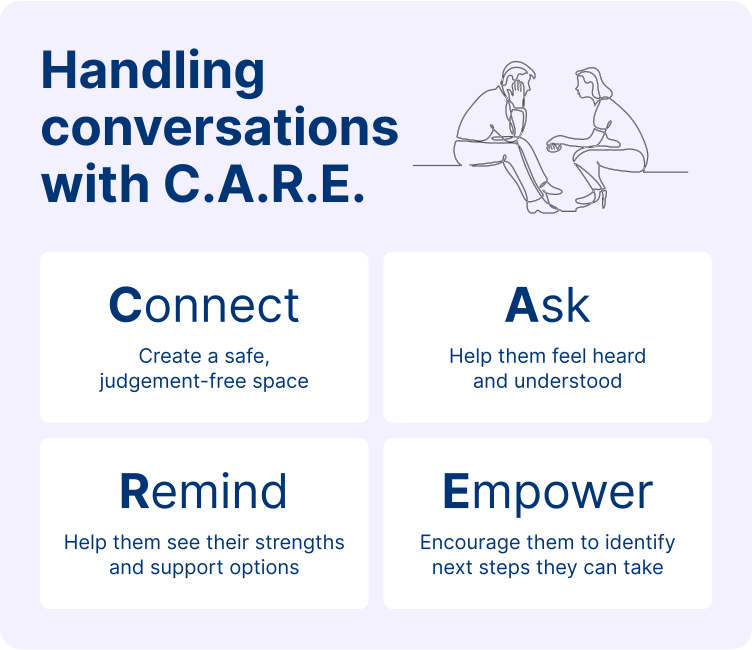
When someone opens up, your response matters. It’s tempting to offer quick solutions, but the best approach is to listen with empathy. The C.A.R.E. framework can help guide your response:
- Connect: Create a safe, judgement-free space. Listen without interrupting and show that you care through your tone and body language.
- Ask: Reflect on what they’ve shared and gently encourage them to explore it further. You could say, ‘It sounds like gambling has been weighing on you. How are you feeling about it?’
- Remind: Highlight their strengths and let them know support is available. You might say, ‘You’re not alone in this. There are people and services that can help when you’re ready.’
- Empower: Encourage small steps forward. You could ask, ‘What’s one thing you’d like to do differently this week?’
You can learn more about the C.A.R.E. framework and tips for talking to someone about their mental health by clicking here.
Empathy means listening without blame and helping the other person feel understood. Many people experiencing problem gambling already feel guilt or shame. Criticism or judgement can make them more defensive or secretive.
- Instead of saying: 'You need to stop gambling. It’s ruining everything.’
- Try saying: 'I’ve noticed gambling has been making things tough for you. I care about you, and I want to help.’
Avoid saying things like ‘Just stop gambling’ or ‘Why can’t you control yourself?’ Problem gambling is complex and change takes time.
Practical ideas for offering support
Many people with gambling problems don’t realise how often or why they gamble. Helping the other person notice triggers can be the first step toward change.
- Ask gentle, open-ended questions: ‘Have you noticed what makes you want to gamble?’ or ‘What feelings come up before you decide to gamble?’
- Explore the emotional link: People often gamble to escape stress, anxiety, or boredom. A question like ‘Do you feel like gambling helps you cope with something?’ can help them reflect.
- Encourage self-awareness: Suggest keeping a ‘gambling diary’. Journaling thoughts and feelings that come up before and after gambling can help the other person see patterns in their behaviour, such as specific times, places, or emotions that trigger the urge to gamble.
Replacing gambling with healthier activities can help break the cycle, especially if gambling has become their main source of excitement or social connection.
- Encourage hobbies or social activities: Suggest doing something enjoyable together, like a walk, a movie night, a game night, or learning a new skill.
- Help them reconnect with other interests: If gambling has taken over their time, they may have lost touch with activities they once loved. A gentle nudge to revisit old hobbies or find new ones can be helpful.
- Suggest stress-relief strategies: Many people gamble as a way to cope with stress. Encouraging exercise, meditation, journaling, or talking to someone they trust can provide healthier outlets.
If they’re open to it, you can explore support options together. Some people find professional counselling or structured treatment programs helpful, while others prefer self-help strategies.
You can suggest:
- Self-exclusion programs: The National Self-Exclusion Register (BetStop) allows people to ban themselves from gambling services across Australia. You can encourage them to sign up if they’re ready to take a step toward change.
- Gambling Help Online: Gambling Help Online is a free, confidential service that offers counselling and support for both gamblers and their loved ones.
- Gamblers Anonymous: You can suggest a peer support group like Gamblers Anonymous where people share experiences and strategies for recovery.
- Financial counselling: If gambling has caused financial hardship, organisations like the National Debt Helpline offer free advice on managing debt and financial recovery.
- Addiction treatment services: Gambling addiction is recognised as a behavioural addiction, and professional treatment (such as cognitive behavioural therapy (CBT) or counselling) can help. You can learn more about addiction and treatment approaches in our understanding and managing addiction guide.
Understanding and managing addiction
Some people may not be ready to take big steps, and that's okay. The most important thing is that you keep showing up and remind the other person that they're not alone.
While you can’t control anyone's choices, your support and encouragement can make a difference. Change is always possible and help is available whenever they’re ready to take the next step.
Looking after your wellbeing as a carer
Caring for someone experiencing problem gambling can be emotionally demanding. It’s natural to want to help, but constantly worrying about them can leave you feeling drained or frustrated.
Looking after your own wellbeing isn’t selfish. It’s essential. When you take time to rest and recharge, you can offer more consistent and meaningful support without burning out.
Supporting someone experiencing problem gambling can be emotionally exhausting, especially if their actions have affected you directly. You might feel helpless, frustrated, or even betrayed, particularly if gambling has led to financial stress, broken trust, or strained relationships. If someone you love has lost money meant for rent, bills, or savings, it’s completely understandable to feel angry, overwhelmed, or unsure of what to do next.
These feelings are valid. You don’t have to push them aside or pretend everything is okay. Taking time to process and release them can lighten your emotional load and help you decide what steps to take next.
- Acknowledge your emotions without guilt: It’s okay to feel hurt, disappointed, or even resentful.
- Talk to someone you trust: Whether it’s a close friend, a counsellor, or a support service like Gambling Help Online, sharing your experience can help you feel heard and supported.
- Seek financial advice if needed: If the other person's gambling has impacted your financial stability, consider reaching out to a financial counsellor for guidance. Services like the National Debt Helpline can provide free support.
- Be kind to yourself: Remind yourself that you’re doing the best you can in a difficult situation. Supporting someone through problem gambling isn’t easy, and it’s okay to prioritise your own wellbeing.
If you’re feeling overwhelmed, you don’t have to go through this alone. There are services available to help you navigate your next steps, whether that’s setting boundaries, addressing financial concerns, or processing the emotional toll.
You can’t control their gambling, and you can’t ‘fix’ the situation for them. What you can do is set clear and compassionate boundaries.
- Be clear about what you can offer: You might say, ‘I want to support you, but I can’t lend you money for gambling.’
- Know it’s okay to say no: You don’t have to say yes to everything. If they ask for financial help or constant emotional support, set limits that protect your wellbeing.
- Stick to your boundaries with kindness: You can be firm and caring. Try, ‘I love you, but I can’t offer any money. Let’s talk about ways to get support.’
Boundaries help protect your wellbeing and encourage the person to take responsibility for their own recovery.
Caring for someone who struggles with gambling can take a toll, especially if their actions have affected you emotionally or financially. Regular breaks can prevent burnout and help you offer support without resentment.
- Schedule time for yourself: Prioritise activities that bring you joy, whether it’s a walk, catching up with friends, or quiet time to recharge.
- Do things that energise you: Reading, exercising, or enjoying a hobby can help restore balance.
- Recognise signs of emotional fatigue: If you’re feeling irritable, exhausted, or emotionally drained, it’s a sign to step back and prioritise your own wellbeing.
Click here to learn more about the importance of self-care for mental health and wellbeing.
Supporting someone through problem gambling can be meaningful, but you don’t have to do it alone. If it ever feels too heavy, you can reach out to someone you trust or a support service like Carer Gateway.
Carer Gateway
You can also always speak with a Lifeline Crisis Supporter. We're here for you 24 hours a day, 7 days a week via 13 11 14, text, and chat.
For more support resources on problem gambling, you can:
- Learn about common signs and effects of problem gambling
- Explore tools, apps, and real stories about gambling recovery
- Connect with a gambling support service for further resources and referrals.
Click here to download, save, or print our problem gambling fact sheet.