Eating and body image
Understanding eating challenges
It’s not uncommon for people to think a lot about food, exercise, or how they look. Sometimes, these thoughts and behaviours start with good intentions, like trying to eat healthier or get fitter. At first, the changes might feel positive, helping you feel more energised or in control.
But for some, the changes can start to feel overwhelming. You might notice you’re spending more time thinking about food or exercise than you want to, feeling stressed about sticking to certain ‘rules’, or avoiding social activities because of it. These can be signs of eating challenges.
Eating challenges, commonly referred to as ‘disordered eating’, can involve a wide range of thoughts, feelings, and patterns that can affect how you feel, socialise, and live your day-to-day life.
- Food is something to fear or avoid
- A sense of guilt or shame after eating
- Like your body isn’t the ‘right’ size or weight
- Not meeting certain weight or food goals means you’ve failed
- Controlling how you eat and/or exercise is the only way to feel in control of your life
- Fear of judgement or misunderstanding has left you feeling lonely and isolated.
Keep in mind that experiencing any of the above isn’t your fault. These feelings and behaviours aren’t choices you’ve made; they’re part of how eating challenges can affect both your mind and body.
With time, support, and small steps, it’s possible to feel more in control and find balance again. You’re not alone in this.
What’s the difference between eating challenges and an eating disorder (ED)?
Sometimes, eating challenges can develop into a type of eating disorder (ED) like anorexia nervosa, bulimia nervosa, or binge eating disorder.
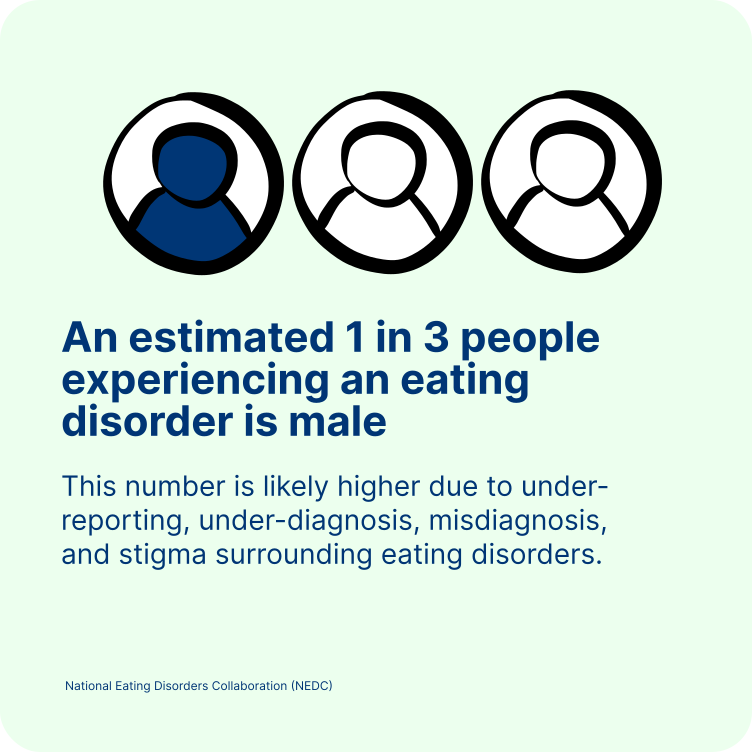
EDs can have serious impacts on your mental and physical wellbeing. They can affect anyone regardless of age, gender, sexuality, cultural background, or body size.
Contrary to common myths and misconceptions surrounding EDs, there’s no single way to ‘look’ or be affected by EDs, which is why they can be difficult to recognise.
For example, EDs can look like:
- A man feeling controlled by routines while trying to build muscle at the gym
- A woman becoming preoccupied with eating only ‘clean’ or ‘healthy’ foods
- A person using laxatives to manage their weight
- A teen overusing exercise as a way to deal with stress and anxiety
- A child refusing food for no apparent reason.
For some, eating challenges and/or EDs can be a lifelong challenge. For others, they might only show up during times of stress.
No matter how long or in what way your eating challenges or ED shows up, your experience is valid and help is available.
What is body image?
Body image is how you see and feel about your body. It’s natural to sometimes compare yourself to others or wish you looked a certain way, but when these thoughts become overwhelming, they can start to affect how you feel about yourself and your relationship with food. In some cases, these feelings can contribute to eating challenges or EDs.
These feelings can also impact your confidence, relationships, and daily life. With so many unrealistic messages about appearance around us, it’s no surprise that these struggles are common. It may feel challenging, but it is possible to build a kinder, more positive relationship with your body.

Body dysmorphic disorder (BDD) is when you become intensely focused on perceived flaws in your appearance. These are flaws that often aren’t noticeable or may not even exist. The thoughts and feelings that come with BDD can take over daily life by affecting your self-esteem, relationships, and routines.
Signs of BDD may include:
- Constantly checking mirrors or avoiding them altogether
- Comparing your appearance to others, especially on social media
- Seeking reassurance about perceived flaws from others
- Feeling the urgent need to cover perceived flaws with makeup, clothing, or accessories, even in situations like being home alone
- Avoiding social situations out of fear others will notice or judge these perceived flaws.
Body obsession, on the other hand, involves an intense focus on achieving a specific body shape or look, often driven by societal ideals. This might mean fixating on weight loss, muscle gain, or meeting unrealistic beauty standards.
Both BDD and body obsession can cause frustration, low self-worth, and withdrawal from others.
It’s important to know these thoughts are not your fault, and support is available to help you feel more confident and free. Click here to learn more about BDD at Butterfly's website.
Matt's story of holding on to hope through depression, anxiety, and a suicide attempt that left him wheelchair-bound.
The connection between eating challenges and mental health
Eating challenges and EDs often overlap with mental health challenges like anxiety, depression, or low self-esteem. These struggles can shape behaviours around food, exercise, or appearance as a way to cope with difficult emotions.
How mental health can influence eating behaviours:
- Coping with emotional distress: Feeling low, anxious, or overwhelmed might lead to changes in eating or exercise habits to feel more in control
- Perfectionism or fear of failure: Rigid behaviours, like strict dieting or over-exercising, may come from a drive to feel ‘good enough’ or worthy
- Stress and helplessness: In uncertain or stressful times, focusing on food or appearance might feel like the only thing within your control.
While these behaviours might feel like they help in the moment, they can become hard to manage over time. In fact, they may intensify the very feelings they were meant to relieve. For example, restricting food to ease anxiety can lead to fatigue or irritability, which might make the anxiety worse.
These behaviours are not about vanity or lack of willpower. They’re often linked to deeper emotional struggles. Recognising this connection is a meaningful step toward understanding what’s really going on and exploring ways to feel better.
For free and confidential counselling for EDs and body image concerns, you can contact Butterfly's National Helpline 1800 ED HOPE (1800 33 4673), chat online, or email support@butterfly.org.au. It’s available 7 days a week, 8am-midnight (AEST/AEDT).
Explore more information, resources, and support services
In this topic, you’ll find information and resources that can help you find understanding, hope, and support options that feel right for you.
Learn about:
- The different types of EDs and common causes of EDs
- Potential signs of eating challenges and impacts on your wellbeing
- Practical things you can do to feel better right now and in the long term
- Where to find support services, tools and apps, and stories of hope
- Tips for friends and family wanting to offer support while protecting your own welbeing.
Thinking about changing any type of habit or routine can feel scary. It’s natural if you’re feeling hesitant or stressed right now. But remember, talking to someone you trust about what you’re going through or seeking professional support can make a big difference.
With the right care, you can absolutely live a healthy and fulfilling life. The fact that you’re here is something you should already be really proud of.
You don't have to face this alone.
Eating challenges and EDs can lead to thoughts, feelings, and behaviours related to suicide.
If you're feeling overwhelmed or in crisis, you can connect with Lifeline 24 hours a day, 7 days a week via 13 11 14, text, and chat. We’re here to listen to whatever it is you’re going through.
Signs and effects of eating challenges and EDs
Eating challenges (disordered eating) and eating disorders (EDs) can show up differently for everyone. They might start with small changes in habits or patterns and gradually have a bigger impact on your mental, physical, and emotional wellbeing.
By learning to spot the signs and understanding how you might be being impacted, you’re taking a meaningful step toward seeking support for yourself or someone you care about.
On this page, you’ll find information on:
- Common signs of eating disorders (EDs)
- How eating challenges and EDs affect your health and wellbeing
- Understanding the connection between EDs and addictive behaviours.
Scroll down to learn more and take the first step toward understanding and support.
Signs you or someone you care about may have an eating disorder
It’s not always easy to recognise patterns that come from eating challenges or EDs, and that’s okay.
The signs can be subtle, gradual, or mistaken for other habits or behaviours. It’s natural to feel unsure or overwhelmed when trying to understand what’s happening, but noticing these patterns is an important step toward making sense of your experience or supporting someone else.
Below are some common signs you can look out for.
- Weight changes: Sudden or frequent shifts in weight that feel unexpected
- Tiredness and fatigue: Feeling unusually drained or struggling with everyday tasks
- Stomach discomfort: Recurring pain, bloating, or digestive issues without a clear cause
- Changes in appearance: Physical differences like dry skin, thinning hair, or brittle nails
- Dental problems: Sensitivity, damage, or other issues with teeth or gums.
- Mood swings: Irritability, anxiety, or frequent low moods
- Self-criticism: Struggling with guilt, shame, or low self-esteem
- Fear or worry: Anxiety around food, exercise, or how your body looks
- Loneliness or isolation: Feeling misunderstood or disconnected from others.
- Secretive behaviours: Avoiding meals with others or hiding your eating habits
- Compulsive exercise: Feeling the need to exercise excessively, even when tired or injured
- Changes in routines: Skipping social events or avoiding situations that involve food.
Eating disorders can show up differently in kids and young people than they do in adults, which can make the signs harder to spot. Young people might not have the words to explain how they’re feeling, so their struggles often come through in other ways, like changes in behaviour, physical health, or emotions.
Recognising these signs can help you understand when a child or young person might be struggling and could need support.
Physical signs
- Changes in growth or development: Slowed growth or delayed puberty compared to their peers
- Unexplained weight changes: Noticeable shifts in weight that seem unusual for their age
- Frequent health complaints: Regular stomachaches, dizziness, headaches, fatigue, or other unexplained physical issues
- Changes in appearance: Dry skin, brittle nails, or thinning hair
- Avoiding certain foods or meals: Saying they’re not hungry or becoming overly selective about foods they used to enjoy.
Behavioural signs
- Increased secrecy: Avoiding family meals, hiding food, or eating alone more often
- Changes in activity levels: Exercising more than usual, even when tired or unwell
- Focus on body image: Spending a lot of time worrying about how they look or their weight
- Disrupted routines: Skipping meals, avoiding social situations, or pulling back from family events that involve food
- Fixating on food ‘rules’: Talking about foods being ‘good’ or ‘bad’ and avoiding entire food groups.
Emotional signs
- Mood swings: Becoming more irritable, anxious, or withdrawn
- Low self-esteem: Criticising their body or comparing themselves to others
- Fear around food: Feeling upset, overwhelmed, or anxious during meal times
- Social withdrawal: Spending less time with friends or family and becoming more isolated.
It’s natural to feel unsure about whether these behaviours mean something deeper is going on. Trust your instincts; if something feels off, it’s worth reaching out and starting a gentle conversation. The earlier someone feels seen and supported, the sooner they can begin to feel better.
For more advice about starting a conversation, you can read our support guide on how to talk to someone about their mental health.
Eating challenges and EDs often involve patterns that feel difficult to break, like a strong focus on controlling food, exercise, or body image. While these patterns might offer a sense of relief or control in the moment, they can become overwhelming and take a toll on your health and wellbeing.
It’s important to know that these struggles aren’t about willpower. They’re often linked to underlying emotions or stress that can keep you feeling stuck in a cycle of addiction.
How do eating challenges and EDs impact health and wellbeing?
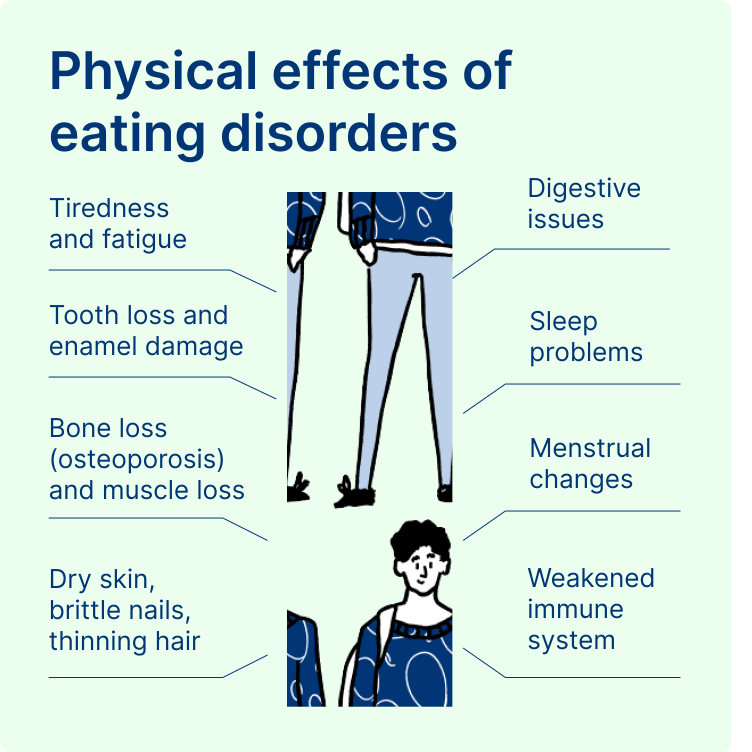
Eating disorders can affect every part of life, far beyond food and weight. They can take a toll on your body in ways that may not always be obvious at first. Over time, these thoughts, feelings, and patterns can impact your overall wellbeing, making everyday life feel harder to manage.
Recognising how these effects show up in your life can help you understand what your body might need to feel supported and stronger again.
Below, you can read about some of the ways eating challenges and EDs can impact your health, wellbeing, and social life.
- Tiredness and fatigue: Feeling low on energy or struggling to keep up with daily activities
- Weakness and fainting: Lightheaded, dizzy, or fainting due to a lack of energy or nutrients
- Heart palpitations: Irregular or racing heartbeat
- Digestive issues: Bloating, stomach pain, constipation, nausea, or ongoing discomfort
- Sleep problems: Finding it hard to fall or stay asleep, or waking up tired
- Menstrual changes: Irregular, lighter, or missed periods
- Weakened immune system: Getting sick more often or taking longer to recover
- Bone and muscle health: Increased risk of weak bones, muscle loss, or joint pain
- Changes in appearance: Things like dry skin, brittle nails, or hair loss
- Oral health issues: Problems like tooth sensitivity, enamel damage, or tooth loss.
These physical effects can often feel overwhelming, but it’s important to remember that they are signals from your body, not failures. With the right care and support, many of these changes can be addressed, helping your body to heal and regain strength.
- Anxiety and low moods: Persistent worry, fear, or feelings of hopelessness that can feel hard to shake
- Shame and guilt: Feeling embarrassed or critical of yourself about eating, exercise, or body image
- Low self-esteem: Struggling with self-worth or feeling like you’re not good enough
- Perfectionism: Putting pressure on yourself to meet impossible standards, leading to constant self-criticism
- Irritability and anger: Feeling on edge or reacting strongly to things that might not normally bother you
- Emotional exhaustion: The mental strain of trying to manage thoughts or behaviours, leaving you feeling drained
- Difficulty concentrating: Finding it hard to focus or stay present, which can affect work, school, or daily tasks.
It’s important to remember you’re not alone and these feelings don’t define who you are. With the right support, it’s possible to navigate these emotions and take steps toward feeling better.
- Isolation: Withdrawing from friends, family, or social activities, often due to shame, discomfort, or preoccupation with food and body image
- Missing out: Skipping hobbies, sports, or events that involve food, or avoiding situations where you feel self-conscious about eating
- Strained relationships: Feeling misunderstood or judged by others, leading to arguments, tension, or difficulty opening up
- Arguments around food: Disagreements with loved ones over eating habits or concerns about your health
- Financial strain: Spending money on things like binge eating, laxatives, or specialised diets
- Difficulties at school or work: Struggling to focus, stay engaged, or manage responsibilities due to low energy or emotional distress.
Connecting with others and rebuilding relationships might feel challenging, but it’s absolutely possible. Keep in mind that it’s just as important to work on the relationship you have with yourself.
You can learn more about self-esteem and mental health by clicking here.
Understanding the connection: eating disorders and addictive behaviours
Eating challenges and EDs are often closely tied to mental health challenges like anxiety, depression, or post-traumatic stress disorder (PTSD). These challenges can overlap (a concept called ‘comorbidity’) and often influence each other, creating a cycle that feels difficult to break. For example, anxiety might lead to controlling food to feel calmer, but the restriction itself can intensify anxiety over time.
For many, the cycle of disordered eating can feel similar to addiction. Behaviours like binge eating, restricting, or purging may bring a sense of relief or control in the moment, but over time, they become hard to stop, even when you want to. This can leave you feeling stuck and unsure how to move forward.
While EDs and addictions aren’t exactly the same, they share many similarities, including how they affect your emotions, thoughts, and behaviours. Understanding these connections can make it easier to approach recovery with compassion.
On the eating and body image causes page, you can read about some of the factors and influences that can lead to eating challenges and EDs.
Healing often involves addressing both the behaviours and the emotions driving them with the right support and tools to help you break the cycle.
Lifeline is here for you
Eating challenges and EDs can lead to thoughts, feelings, and behaviours related to suicide.
If you're feeling overwhelmed or in crisis, you can connect with Lifeline 24 hours a day, 7 days a week via 13 11 14, text, and chat. We’re here to listen to whatever it is you’re going through.
Types of eating challenges and EDs
Navigating our relationship with food, eating, and exercise can be complex.
Whether you’re seeking to understand your own experiences or support someone else, this guide aims to provide clarity, connection, and a pathway to support.
On this page, you'll find information on the different types of eating challenges and eating disorders.
Scroll down to learn more.
No two eating disorders are the same. No two individuals are the same. No two paths to recovery are the same. But everyone’s strength to reach recovery is the same.
Types of eating challenges
Not all eating challenges (disordered eating) fit into a specific eating disorder (ED) category, but they can still cause distress and impact daily life. Recognising these patterns is an important step towards building a healthier relationship with food and your body.
Signs of eating challenges may include:
- Restricting food: Avoiding meals or certain types of food, such as carbohydrates, sugars, or processed items, and eating very little overall
- Binge eating: Eating large amounts of food in one sitting, often quickly and in secret, followed by feelings of guilt or shame
- Purging behaviours: Using laxatives, diuretics, or vomiting to control weight, or over-exercising to ‘earn’ food or get rid of what’s been eaten
- Rigid food or exercise routines: Obsessively tracking calories, following strict eating rules, or exercising excessively to maintain control
- Emotional eating: Turning to food to manage stress, sadness, or boredom, even when not physically hungry
- Social withdrawal: Avoiding food-related activities or social situations out of fear, shame, or discomfort about eating.
You deserve support.
Eating challenges can take a toll on energy, mood, relationships, and physical health over time. If you notice these patterns in yourself, help is available. You can contact Butterfly’s National Helpline 1800 ED HOPE (1800 33 4673) or explore InsideOut’s Digital Therapies.
If those don’t feel like options for you right now, you can always contact Lifeline. We’re here to listen to whatever you might be going through 24 hours a day, 7 days a week via 13 11 14, text, and chat.
Types of eating disorders (EDs)
Eating disorders can look very different from person to person.
Some involve eating too little, others too much, and many include a mix of behaviours like restricting, bingeing, or purging. It’s also common to experience overlapping symptoms that don’t fit neatly into one category. While each ED has its own challenges, all of them can affect both physical and mental wellbeing.
Below, we’ve listed the most recognised types of EDs. Understanding the different types can help make sense of what you or someone you care about might be going through.
Binge eating disorder (BED) is the most common ED, however, an estimated 80% of people aren’t diagnosed.
BED involves regularly eating large amounts of food quickly, often feeling unable to stop, even when not hungry. These episodes may lead to physical discomfort and emotions like guilt, shame, or sadness afterwards. Unlike other EDs, binge eating isn’t followed by behaviours like purging.
Signs of BED may include:
- Eating when not hungry or past the point of fullness
- Hiding food or eating alone due to embarrassment
- Engaging in a binge-starve-binge cycle
- Feeling guilty, sad, or ashamed after eating.
Anorexia nervosa (AN) is an eating disorder where you restrict your food intake, leading to a body weight that’s unhealthily low for your age, gender, and health needs.
AN often comes with an intense fear of gaining weight, even when weight is already very low, and can involve seeing your body differently from how others do.
Signs of AN may include:
- Skipping meals or eating very small portions
- Obsessing over calories or ‘safe foods’
- Exercising excessively, even when tired or injured
- Avoiding social situations to avoid meals.
Bulimia nervosa (BN) involves a pattern of binge eating (eating large amounts of food in a short time) followed by purging (getting rid of the food through vomiting, laxatives, engaging in a binge-starve-binge cycle, or over-exercising).
Signs of BN may include:
- Eating in secret or feeling out of control around food
- Purging after meals or snacks
- Using diuretics or laxatives to manage weight
- Feeling guilt or shame after eating.
Other specified feeding and eating disorders (OSFED) refers to EDs that cause significant distress or impact daily life but don’t meet the full criteria for specific conditions like anorexia or bulimia.
This category includes patterns such as atypical anorexia (significant weight loss but within a normal range), bulimia, or binge eating with less frequent episodes, purging without bingeing, and night eating syndrome.
While these behaviours may not fit into traditional diagnoses, they are serious and deserve support and attention.
- Avoidant/restrictive food intake disorder (ARFID): ARFID is a pattern of avoiding or restricting certain foods, often due to sensory sensitivities, fear of choking or vomiting, or a lack of interest in eating. Unlike other EDs, ARFID isn’t driven by body image challenges.
- Orthorexia: Orthorexia is an obsession with eating only foods considered ‘healthy’ or ‘clean.’ While striving to eat healthily isn’t inherently harmful, orthorexia can lead to physical, emotional, or social harm.
- Pica: Pica is the urge to eat non-food items, such as dirt, chalk, or paper. This is often linked to nutritional deficiencies or other underlying factors.
- Rumination disorder: Rumination disorder is a pattern of regurgitating food after eating, sometimes re-chewing and swallowing it again. This behaviour is unintentional and not associated with medical issues like nausea.
- Unspecified feeding or eating disorder (UFED): UFED acknowledges disordered eating behaviours that cause distress or impairment but don’t fit neatly into other categories, including OSFED. It focuses less on identifying a specific type of behaviour and more on validating that you're struggling with eating-related challenges that impact your wellbeing.
Understanding the different types of eating challenges and EDs is an important step toward making sense of your own experiences or supporting someone you care about.
If you’d like to explore more about eating challenges, visit other pages in the toolkit for guidance on managing triggers and finding long-term help.
To learn more about the different types of eating disorders, visit trusted organisations like Butterfly or the InsideOut Institute, where you’ll find detailed information and resources tailored to your needs.
Wherever you are in your journey, support is always available and you don’t have to face this alone.
Click here to download, save, or print our eating and body image fact sheet.
Causes of eating challenges and EDs
If you’re experiencing eating challenges (disordered eating) or an eating disorder (ED), it’s not your fault. These thoughts, feelings, and patterns often show up as a way to cope with underlying emotions like frustration, self-doubt, or hopelessness.
You might experience eating challenges or an ED as a way to:
- Feel in control
- Manage stress
- Push down thoughts that feel too hard to face.
While these patterns may seem like they’re keeping you safe or functioning, they can also leave you feeling stuck or drained. It’s important to remember this: you are not your thoughts.
Below, you can learn about some of the common biological, emotional, and social influences that can lead to eating challenges and EDs.
Common factors
- Family history: If EDs or mental health challenges run in your family, it can sometimes increase your chances of experiencing similar struggles
- Brain chemistry: The way your brain processes emotions or stress might make you more vulnerable to disordered eating patterns
- Hormonal changes: Shifts during puberty or other stages of life can affect how you see yourself or how you cope with tough emotions.
- Perfectionism: Striving for impossible standards can leave you feeling like you’re never good enough, no matter how hard you try
- Low self-esteem: Feeling unworthy or not good enough can affect how you think about food and your body
- Emotional coping: Eating challenges can sometimes feel like a way to manage hard feelings like sadness, anger, or stress
- Need for control: When life feels overwhelming, focusing on food might feel like a way to create balance or regain control
- Trauma or chronic stress: Experiences like bullying, grief, or domestic and family violence can make disordered eating more likely
- Negative body image: Feeling unhappy with how you look can influence eating and exercise patterns.
- Media and beauty standards: Social media, movies, and ads often promote unrealistic and unachievable ideals about appearance
- Comparison culture: Seeing the ‘best’ parts of others’ lives online can lead to unhealthy comparisons and dissatisfaction with yourself
- Community and peer pressure: Activities or jobs that focus on appearance, like modelling or certain sports, can encourage harmful behaviours
- Weight stigma: Facing judgement or pressure about your body size can contribute to disordered eating patterns
- Family attitudes and behaviours: Growing up around strict rules about food or negative comments about weight can shape how you feel about eating and your body.
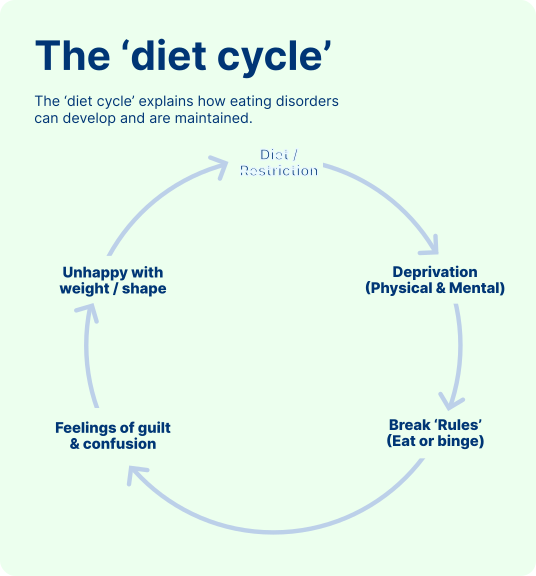
Dieting is one of the strongest predictors of the development of an eating disorder.
The strict and restrictive nature of many diets can leave you feeling hungry, deprived, and frustrated. While you might try to ignore these feelings at first, the deprivation can build over time and lead to intense food cravings.
This can sometimes result in eating large amounts of food in response, which may leave you feeling guilty or like you’ve failed. These emotions can create a negative and overwhelming cycle, making food and eating feel stressful or shameful.
In today’s world, where everything is so accessible and immediate, there’s a cultural shift toward valuing instant gratification. It’s completely understandable to want quick results; this is something many of us have been conditioned to expect. But managing weight safely for health reasons can feel even harder when the desire for immediate change pushes us toward unsustainable or unhealthy behaviours.
To learn more about the connection between eating disorders and dieting, you can visit the National Eating Disorders Collaboration (NEDC) website.
Eating challenges and EDs are complex, and there’s rarely one single cause. If any of the above resonates with you, know that your experiences are valid, and support is always available.
Correcting common myths and misconceptions
Misunderstandings about eating challenges and EDs can make it harder to recognise what you’re going through or feel supported when reaching out for help.
Busting these myths can help you and those around you better understand the challenges of EDs and how to approach them with compassion.
Truth: Eating disorders can affect anyone, no matter their age, gender, or background. If you’re struggling, it doesn’t matter who you are; you deserve support.
Truth: Eating disorders are about so much more than what someone eats or how they look. They’re often tied to deeper struggles like trying to cope with overwhelming emotions or dealing with difficult experiences.
Truth: Eating disorders don’t have a ‘look’. You can’t always tell what someone is going through based on their weight or appearance. People of all shapes and sizes can experience serious challenges.
Truth: Eating disorders are complex conditions that affect both your body and your mind. Without treatment, they can lead to serious health risks. They deserve to be taken seriously.
Truth: You don’t choose to have an eating disorder. They develop from a mix of biological, emotional, and social/cultural influences. It’s important to approach yourself with kindness, not blame.
Truth: Recovery isn’t just about food. It’s about healing the emotions, beliefs, and patterns that go with the eating disorder. Learning to eat again is just one part of the journey.
Truth: Eating disorders are painful and serious struggles, not a way to seek attention. Your feelings are valid, and you deserve understanding, not judgement.
Truth: Recovery is absolutely possible. It might take time and patience, but with the right support, you can find a healthier and more peaceful relationship with food and yourself.
Remember, recognising and challenging these myths is a step toward understanding yourself with more compassion and hope. You’re not alone, and support is always available.
Short-term help for managing eating challenges and EDs
Exploring ways to manage eating challenges (disordered eating), eating disorders (EDs), and/or body image struggles is a meaningful step towards feeling more supported and in control.
It’s normal for things to feel overwhelming or unclear right now, but you don’t have to face it all at once. This page is here to offer simple, practical strategies to help you feel more grounded in the moment while guiding you to the information and support that’s right for you.
On this page, you’ll find information on:
Scroll down to learn more.
What can I try now?
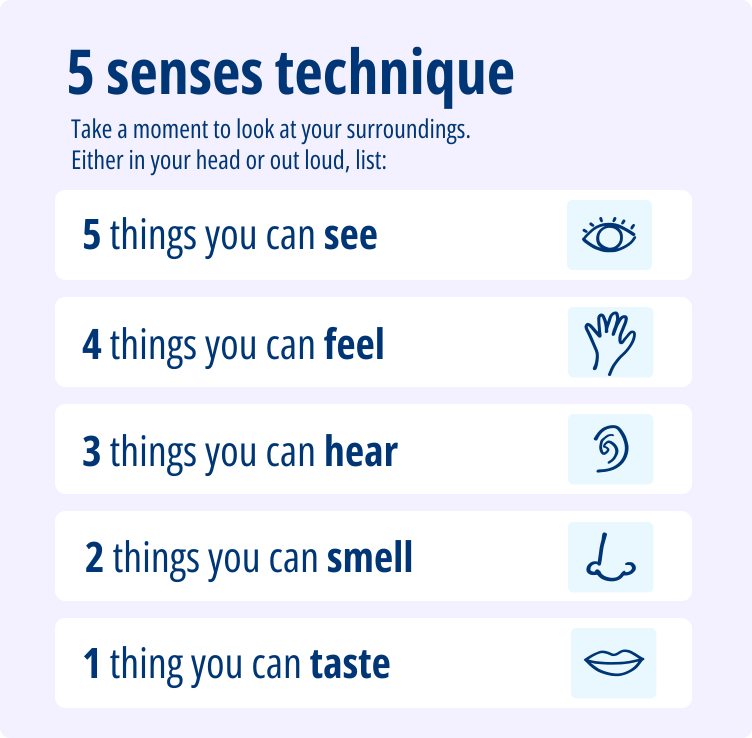
If you’re feeling distressed or unsure where to start, a grounding technique can help you return to the present moment. The 5 senses technique, for example, can help you feel more connected to your surroundings, ease intense emotions, and take your focus off racing thoughts or physical sensations.
Whether you’re feeling stressed during a meal, overwhelmed by body image thoughts, or struggling with urges, this technique is a simple and accessible tool to help you find calm. It’s something you can use anytime, anywhere, to feel more grounded and supported.
Coping strategies to manage distress and overwhelm
Some days, you might feel ready to take on the world. On other days, simply getting out of bed can feel impossible. However you’re feeling, it’s okay.
Having a few simple go-to strategies can help you feel calmer, in control, and better equipped to face eating challenges and EDs. Below, you can explore practical techniques designed to support you wherever you are.
Keep in mind that everyone is different, so what works for someone else might not work for you. The main thing is to keep experimenting until you find what feels right.
When stress or anxiety feels all-consuming, whether during a meal, after a triggering comment, or in moments of self-doubt, deep breathing can help ease both physical and emotional tension. It slows your heart rate, calms your mind, and makes it easier to face overwhelming thoughts.
How to do box breathing:
- Inhale deeply through your nose for a count of 4
- Hold your breath for a count of 4
Exhale slowly through your mouth for a count of 6 - Repeat until you feel calmer and more in control.
Try it now: Use our guided box breathing video to practise this calming technique.
If thoughts about food, body image, or emotions feel overwhelming, mindfulness and meditation can help. These practices help you learn to focus on the present moment, like the rhythm of your breath, the sensations in your body, or the world around you to ease feelings of stress or anxiety.
Tips for getting started with mindfulness and meditation:
- Explore guided meditations: Apps like Smiling Mind and Calm offer beginner-friendly sessions that focus on relaxation, self-compassion, and grounding.
- Practise mindful breathing: Breathing exercises (like the box breathing video above) can help you regulate racing thoughts, heart rate, and other distressing sensations.
- Try mealtime mindfulness: During meals, notice the colours, textures, and tastes of your food. By paying attention to the experience of eating, you can create a more intentional and positive connection with food.
These small moments of mindfulness can help you build a more compassionate relationship with your thoughts and emotions. Over time, they may become a valuable tool for finding balance and support as you navigate your healing journey.
When you’re stuck in cycles of guilt, fear, or overwhelm around food, exercise, or your body, pausing to ask, ‘What do I need right now?’ can help.
Self check-ins create a moment to reflect on what’s beneath the surface and respond to your needs with kindness, rather than reacting from a place of habit or distress.
Here’s how self-check-ins can support you:
- If you need rest: The physical and mental toll of eating challenges can leave you feeling drained. Resting, even for a few minutes in a quiet space, can help recharge both your body and emotions.
- If you need connection: Feeling isolated often deepens the weight of struggles. Reaching out to someone you trust can remind you that you’re not alone, even if things feel tough.
- If you need distraction: When emotions feel overwhelming, low-effort activities like scribbling in a notepad, listening to calming music, or watching a familiar show can help shift your focus and create a sense of relief.
Treat self check-ins as a way to care for yourself, the same way you would for a friend. They can be a powerful tool for navigating challenging moments.
When it feels like you’re carrying your struggles alone, sharing how you’re feeling can lighten the load. Eating challenges and EDs thrive in isolation, so reaching out to someone (like a friend, family member, teacher, or helpline like Lifeline or Butterfly) can remind you that you’re not alone.
Opening up might feel intimidating, but it’s not about finding the ‘perfect’ words. It’s about starting the conversation.
Here are some ideas:
- ‘I’ve been struggling with how I feel about food and my body. I think I need support.’
- ‘I’ve been feeling overwhelmed and could really use someone to talk to.’
- ‘I’m not sure how to explain everything, but I’ve been having a hard time, and I’d appreciate your help.’
If talking face-to-face feels too hard, consider writing down your thoughts in a note or text message. Writing can help organise your feelings and make sharing them a little easier.
Click here to learn more about the benefits of talking to someone you trust.
Gentle distractions or acts of self-care can be especially helpful when distressing thoughts about food or body image take over. They provide a break from the cycle of worry and create a sense of safety and control during difficult moments.
Ideas to try:
- Journaling: Write down your thoughts to process emotions or reflect on something positive, like a small win or a moment of gratitude. Click here for prompts to get started.
- Listening to music: Create a playlist of songs that calm or uplift you, helping shift your focus.
- Making a self-care box: Fill a box with comforting items like a favourite book, a cosy blanket, or grounding tools. Having everything ready can make self-care easier when you need it most. Click here to learn more about creating a self-care box.
Self-care doesn’t need to be perfect or complicated. The goal is to find what feels comforting and supportive for you in the moment.
Creating a self-care box
Coping strategies like these aren’t about solving everything all at once. They’re about creating moments of relief and reclaiming a sense of control.
Every time you pause to care for yourself, you’re making meaningful progress, even if it doesn’t feel that way right now.
Lifeline is here for you.
Eating challenges and EDs can lead to thoughts, feelings, and behaviours related to suicide.
If you're feeling overwhelmed or in crisis, you can connect with Lifeline 24 hours a day, 7 days a week via 13 11 14, text, and chat. We’re here to listen to whatever it is you’re going through.
Tips for recognising and managing triggers
Reflecting on your relationship with food, your body, and your emotions can be an important step in understanding your needs. Online tools, like self-assessments from InsideOut, offer a gentle, non-judgemental way to explore what might be going on and identify areas where you’d like support.
These assessments can help you uncover patterns and gain insight into your experiences, offering clarity on the types of support or guidance that could feel right for you. Noticing the situations, emotions, or moments that make things feel harder can help you make sense of your experiences and find ways to respond with kindness and care.
Keep in mind that awareness isn’t about blame or self-judgement. It’s about creating space to gently explore what’s happening beneath the surface. By reflecting on your triggers, you might begin to uncover patterns that offer clarity and show you where support or boundaries could help.
Triggers are anything that can intensify difficult thoughts, feelings, or behaviours. They might be specific situations, emotions, or even small everyday moments.
Common triggers include:
- Stress or anxiety: Feeling overwhelmed might lead to using food or exercise as a way to regain calm or control
- Low self-esteem or self-criticism: Negative self-talk about your appearance, abilities, or worth can reinforce unhelpful patterns
- Difficult emotions: Suppressing feelings like sadness, frustration, or anger might seem easier at first, but these emotions can build and feel harder to manage later
- Social events: Gatherings around food can bring feelings of discomfort, worry, or comparison, especially when there are unspoken pressures
- Media messages: Social media, advertising, or even health campaigns can amplify feelings of self-doubt or fuel harmful comparisons
- Conversations about weight or appearance: Even well-meaning comments about body size, shape, or dieting can feel overwhelming and reinforce unhelpful thoughts.
Remember - recognising your triggers is about building awareness so you can approach them with self-compassion and feel more prepared to manage them.
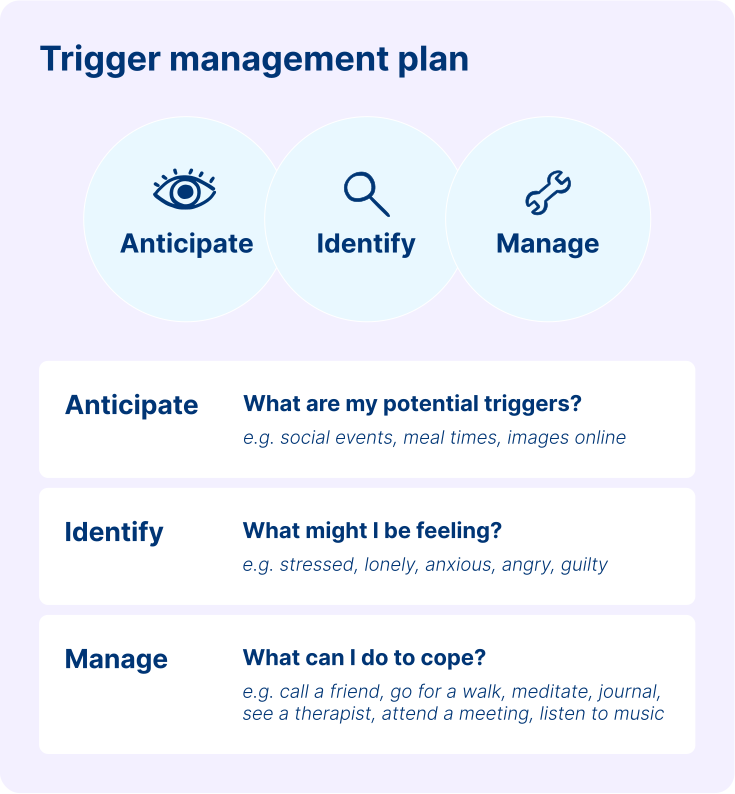
Create a trigger management plan
Once clear on what your potential triggers are, you can start to think of what you can do to feel calm and in control. Having a plan like the one below is a great way to anticipate difficult situations, recognise how they might affect you, and have strategies ready to navigate them.
Set boundaries
Boundaries are personal limits that protect your emotional, mental, and physical wellbeing. They’re not about pushing people away but about creating space to focus on what you need to feel supported and safe. They can also help others understand how you’d like to be supported.
Here are some examples to consider:
Conversations about dieting, weight, or body image can be triggering. Setting boundaries around these topics can help create a safer space.
You can say:
- ‘I’d prefer not to talk about diets or weight. Can we focus on something else?
- ‘I’m working on feeling better about myself, so I’m avoiding conversations about food or bodies right now.’
Mealtimes can feel overwhelming, especially when emotions around eating are heightened. Controlling your environment can reduce pressure and help you focus on your needs.
You can say:
- ‘I feel more comfortable eating on my own right now. It helps me focus on what I need.’
- ‘I appreciate your care, but I need some space during meals to work through things in my own way.’
Focusing on your wellbeing takes emotional and mental energy, and it’s okay to step back from others’ needs while you take care of yourself.
You can say:
- ‘I’m working through some personal things right now, so I might not have the capacity to spend as much time together. I hope you understand.’
- ‘I need to focus on myself for a bit. I’m still here, but I might need some extra space.’
Practising how to express your boundaries with a trusted friend, or even in front of a mirror, can help you feel more confident. It’s normal to feel nervous at first, but the more you practise, the easier it will become.
For more tips on building confidence and protecting your mental health, check out our article on self-esteem. To learn more about managing eating concerns and EDs in the long term, head to our long-term help page.
Self-esteem and mental health
Show self-compassion
Healing can feel messy at times, but treating yourself with kindness can ease the journey. Self-compassion means offering yourself the same care and understanding you’d show a friend.
If it feels right, try to:
- Reframe setbacks: Instead of seeing challenges as failures, view them as part of the process
- Use kind self-talk: Replace harsh inner dialogue with affirmations like, ‘I’m doing my best, and that’s enough.’
- Create a comforting ritual: Whether it’s journaling, enjoying a warm drink, or simply pausing to breathe, find small ways to show yourself care.
Every act of kindness toward yourself is a step toward greater self-acceptance and peace.
Remember - you're not alone
It’s important to remember that you don’t have to face this journey by yourself. There are people who have been in your shoes, who understand the challenges you’re going through, and who want to help you feel supported and heard.
Butterfly is a leading organisation in Australia offering free, confidential support for people experiencing eating challenges, an ED, or body image struggles. Their trained counsellors provide a safe space to share what you’re feeling and help you navigate your next steps.
Whether you need someone to listen to what you're going through, information about eating disorders, or guidance to connect with the right services, Butterfly can help.
If Butterfly doesn’t feel right for you, you can always contact Lifeline. We’re here to support you with understanding and compassion, no matter where you are in your journey. You are never alone in this. There is help, and there is hope.
Click here to learn more about what to expect when contacting Lifeline.
Click here to download, save, or print our eating and body image fact sheet.
Long-term help for managing eating challenges and EDs
Eating challenges (disordered eating) and eating disorders (EDs) can make you feel stuck in a cycle where emotions, triggers, and behaviours seem impossible to escape. It’s completely understandable to feel unsure about what to do next.
While coping strategies like grounding techniques and self-care can offer relief in the moment, there are many things you can do to help you manage in the long term.
Below, you’ll find ideas to help you take those steps at your own pace, focusing on self-compassion and growth along the way.
Tips for healing in the long term
When it comes to healing in the long term, having people you trust in your corner can make a world of difference. Friends, family, or even colleagues can provide encouragement, understanding, and practical help during challenging times.
Here are a few ways to strengthen your support network:
- Identify your safe people: Think about who makes you feel understood and supported, and consider sharing your feelings with them
- Be clear about your needs: Let others know how they can help, like avoiding certain topics or checking in on how you’re feeling
- Turn to professional resources: If personal relationships feel strained, helplines like Butterfly's 1800 ED HOPE or support groups offer a neutral, caring space to share what’s on your mind.
It’s okay to lean on others while focusing on your own growth. Support is a two-way street, and you’re worth it. Click here to learn more about building strong social connections.
Continue reading for more tips.
Form habits that support your healing
Our daily habits shape how we feel, think, and care for ourselves. When it comes to eating challenges, EDs, and body image, even small, positive changes can make a big difference over time. Building habits that support your wellbeing isn’t about getting it ‘right’ every time; it’s about finding routines that feel sustainable and help you feel calm, in control, and confident.
Here are some habits to explore at your own pace:
Morning
Set a positive tone for the day by reflecting on a supportive thought or intention. This might sound like:
- ‘I’m learning to listen to my body’s needs.’
- 'I’m proud of the steps I’m taking to build a healthier relationship with food.’
These simple affirmations can help you focus on growth and self-compassion as you move through your day.
Evening
Take a moment at the end of each day to write down one to three things you feel grateful for related to your healing.
This might include:
- Enjoying a meal without guilt
- Feeling more at ease around food
- Appreciating your body for what it can do, not just how it looks.
Over time, this practice can help you notice progress in meaningful ways.
Establishing a routine for meals and snacks can create a sense of stability, helping your body and mind feel more supported.
How regular meal times can help:
- Stabilising hunger cues: Eating at consistent times can help your body recognise when it’s time to eat, reducing feelings of intense hunger or unpredictability.
- Easing food-related anxiety: Knowing when your next meal or snack is coming can reduce stress around food decisions and help you feel more in control.
- Supporting physical health: Regular meals provide steady energy for your body and brain, making it easier to focus and engage in daily activities.
- Encouraging mindfulness: Taking time to sit down for meals can help you connect with your food and experience eating in a calmer, more intentional way.
How to get started:
- Begin with small steps: If planning an entire day feels overwhelming, start with setting times for one or two meals and build from there.
- Incorporate snacks: Plan for balanced snacks between meals to keep your energy steady and prevent extreme hunger.
- Create a calming meal environment: Eat in a space where you feel comfortable, free from distractions like phones or TV, to focus on your food and your body’s signals.
If you find it hard to establish regular meal times, that’s okay. This process takes time, and you don’t need to get it perfect. Over time, consistent eating can help your body feel more stable, reduce stress, and support your healing.
Body-positive activities are small, intentional actions that help you connect with your body in supportive and compassionate ways. These practices help you learn to appreciate what your body does for you and treat it with the care it deserves.
Here are some ways to get started:
- Stretch or move gently: Movement can be a way to celebrate what your body can do, not how it looks. Try activities like gentle stretching, yoga, or a short walk.
- Soothe yourself: Show your body kindness through comforting actions like applying a soothing lotion, taking a warm bath, or wearing soft, supportive clothing that makes you feel good.
- Reconnect with your senses: Explore activities that bring you back to the present moment, like feeling the warmth of the sun on your skin, listening to calming music, or holding a warm cup of tea in your hands.
- Create a self-care space: Dedicate a corner of your home to activities that feel nurturing. This might include a favourite blanket, a journal, or items that bring you joy, like candles or plants.
Over time, these activities can help shift your focus from self-criticism to self-appreciation, fostering a more positive and nurturing relationship with your body.
Swap social media for a new habit
Social media can sometimes amplify feelings of self-doubt or comparison, especially when it comes to body image, eating challenges, and EDs.
Taking a step back from scrolling and replacing that time with a new, supportive habit can help you feel more grounded, reduce stress, and create space for activities that truly nurture your wellbeing.
Ideas for new habits to try:
- Creative activities: Swap scrolling for journaling, drawing, or crafting. These activities give you a way to express your thoughts and feelings in a calming, productive way.
- Mindful movement: Take a short walk, try gentle yoga, or simply stretch. Moving your body with intention can help you feel more present and grounded.
- Engage your senses: Replace screen time with sensory activities like listening to music, lighting a candle, or enjoying a warm drink. These small rituals can be soothing and help you unwind.
- Connect in real life: Spend time with a friend, call a loved one, or join a local class or group. Building real-world connections can help you feel supported and less isolated.
- Learn something new: Use the time to explore a hobby, read a book, or listen to a podcast on a topic you enjoy. Learning can provide a positive distraction and build your sense of accomplishment.
- Set aside specific times for social media use and stick to them
- Start with a small goal, like replacing 10 minutes of scrolling with another activity, and build from there
- Curate your social media feeds to follow body-positive or supportive accounts that uplift you if completely stepping away feels too hard.
Even small changes in how you spend your time can have a big impact on your mental health and overall wellbeing. By swapping social media for habits that bring joy or relaxation, you’re prioritising yourself in ways that truly matter.
Understanding healthy and unhealthy eating and exercise patterns
Our relationship with food and exercise is personal, and it’s common for it to feel complicated at times. Recognising patterns that support your wellbeing and those that might be making things harder can help you create habits that feel healthier and more sustainable.
This isn’t about judgement or striving for perfection. It’s about building awareness of how certain actions impact your physical and emotional wellbeing, so you can better understand what feels right for you.
Below, you’ll find examples of both healthy and unhealthy eating and exercise behaviours. These aren’t rules but tools to help you reflect on your own experiences and consider areas where you might want to focus your energy and care.
Eating
- Eating a variety of foods from all food groups (e.g., cereals, dairy, meat, fruit, and vegetables)
- Including protein, carbohydrates, and fats in your diet
- Having a fluctuating appetite and responding to hunger or fullness cues
- Enjoying all types of food, including during social situations or cultural events
- Eating mindfully and being flexible about your food choices
- Eating regularly (every 3–4 hours) with adequate portions and snacks to support your body’s needs
- Drinking enough water
- Managing emotions without relying on dieting or exercise
- Feeling relaxed and at ease about food choices
- Enjoying 1–2 standard alcoholic drinks, if desired.
Exercise
- Resting and moving your body in different ways at varying intensities
- Exercising within recommended activity guidelines and for enjoyment or performance
- Exercising in ways that support mental, emotional, and physical wellbeing
- Taking rest days and breaks from exercise routines when on holiday, injured, or unwell
- Pairing exercise with proper nutrition to promote recovery.
Click here to download InsideOut’s Fact Sheet on Healthy vs Unhealthy Behaviours.
Eating
- Cutting out food groups or following rigid diets without medical advice
- Constantly dieting or switching between diets
- Feeling anxious, guilty, or fearful about eating or certain foods
- Avoiding meals with others or using food as a reward. Measuring, counting, or weighing food and calories obsessively
- Engaging in compensatory behaviours like vomiting, laxatives, diuretics, or extreme fasting
- Over-restricting food, denying desired foods, or eating in secret
- Using substances or distractions to suppress appetite
- Labelling foods or yourself as ‘good’, ‘bad’, or a ‘failure’ based on eating choices
- Relying on quick fixes instead of whole foods or balanced eating
- Avoiding food prepared by others or fearing fullness
- Using competitive sports to justify extreme eating behaviours.
Exercise
- Exercising while sick or injured
- Using exercise as a means of punishment or control
- Exercising purely to burn calories rather than for fun or enjoyment
- Not allowing sufficient recovery time, leading to poor performance, frequent illness, disturbed sleep, and changes in mood
- Engaging in guilt-driven exercise without enjoyment
- Exercising through pain
- Labelling yourself as a failure if you break an exercise routine
- Using exercise as a reason to eat
- Engaging in extended bouts of exercise (>60 minutes) multiple times a day
- Feeling addicted to or compelled to exercise, including exercising privately or at unconventional times (e.g., very early in the morning or late at night)
- Experiencing anxiety related to the inability to exercise
- Feeling compelled to exercise more
- Having changes in menstrual cycle or low testosterone levels due to excessive exercise and dietary habits
- Feeling compelled to perform one particular type of exercise only
- Engaging in deliberate behaviours to maximise energy expenditure
- Believing that exercise takes precedence over other life activities
- Using competitive sport as a justification for extreme exercise regimes.
Click here to download InsideOut’s Fact Sheet on Healthy vs Unhealthy Behaviours.
Keeping track of calories, weight, or exercise stats can feel like a way to stay in control, but over time, it can often lead to feelings of anxiety, self-criticism, or fixation.
Letting go of tracking might feel challenging at first, but it can help you focus on how you feel, not what the numbers say.
Here are some tips to help you take that step:
- Take a break from the scale: If weighing yourself causes stress, consider stepping away from it for a while or even removing it from your space altogether. This can help shift your focus to what your body needs and how it feels, rather than a number that doesn’t define your worth.
- Celebrate non-numerical progress: Instead of tracking calories or reps, notice other signs of progress, like feeling more energised, enjoying a walk outside, or having a meal without guilt. These moments are meaningful milestones that reflect real growth and healing.
- Trust a professional when tracking is necessary: If monitoring weight or intake is part of your health plan, let a trusted health professional handle it. They can offer insight without the emotional pressure of self-tracking.
If this feels especially difficult, reaching out to a counsellor or a support group can give you guidance and encouragement. You’re not alone, and it’s okay to ask for help as you explore healthier ways of caring for yourself.
Listen to stories of others
Healing can feel overwhelming and isolating. But hearing from others who have struggled, found support, and slowly rebuilt their lives can be a powerful reminder that recovery is possible.
Below, you can listen to the InsideOut Institute Podcast episodes featuring Jenny, Sabeena, and Sarah - three people with different journeys but a common thread of resilience. Jenny lived with an eating disorder for 50 years before finding the right support. Sabeena’s story weaves through trauma, addiction, and self-discovery. Sarah, once trapped in compulsive exercise, is now an exercise physiologist who helps others heal their relationship with movement.
Alongside these lived experiences, leading experts provide insight into the complex nature of eating disorders and recovery. Dietitian Fiona Sutherland explores how mindful eating can help break free from diet culture and support lasting healing. Clinical psychologist Dr Sophie Reid unpacks the deep connection between trauma and disordered eating. And Sarah shares practical ways to rebuild a balanced relationship with movement.
Jenny's Story
Sabeena's Story
Understanding your treatment options
There are many treatment options available to support eating challenges, EDs, and body image struggles. Finding the right one depends on your needs and comfort level.
There’s no one-size-fits-all approach to therapy. Different techniques work for different people, and that’s completely okay. Finding the right fit might take time, but it’s worth exploring.
Here are three types of therapies that may help with your recovery:
- Dialectical behaviour therapy (DBT): Teaches practical skills for managing intense emotions, navigating distress, and practising mindfulness. DBT is particularly helpful for eating disorders, as it supports you in developing emotional regulation, distress tolerance, and self-compassion, all tools that can make triggers feel more manageable and reduce urges to engage in patterns you’re trying to change. You can use the Lifeline Service Finder to find a DBT therapist near you.
- Acceptance and commitment therapy (ACT): Helps you acknowledge difficult emotions while taking meaningful actions guided by your personal values. Click here to learn more.
- Cognitive behavioural therapy (CBT): Focuses on identifying and challenging negative thought patterns that may contribute to disordered behaviours. Click here to learn more.
Therapy can be adapted to meet your unique needs, and it’s okay to explore different options until you find one that feels right for you.
Click here to read our article about finding the therapist that’s right for you.
You can also consider speaking with a dietician or GP.
A dietician can provide guidance on balanced eating in a supportive, non-judgemental way, while a GP can offer guidance and a Mental Health Treatment Plan.
If you’re feeling stuck or unsure how to move forward, speaking to your GP can be a great starting point. They can help you explore options for ongoing support, including creating a Mental Health Treatment Plan.
A Mental Health Treatment Plan is a personalised plan that your GP develops with you. It can provide access to Medicare-subsidised sessions with mental health professionals, such as psychologists, dietitians, or counsellors, who specialise in areas like eating challenges, body image, and emotional wellbeing.
If you feel nervous about the conversation, you don’t need to have everything figured out beforehand. Just sharing how you’ve been feeling is a meaningful first step. Your GP is there to listen and help guide you toward the support that feels right for you.
Click here for more details about Mental Health Treatment Plans and how they work.
What else can you try?
Explore online self-led therapy for EDs
Online therapies can be a great starting point, especially if you’re unsure about seeking in-person help or looking for additional support alongside other treatments.
These therapies often provide evidence-based strategies, like cognitive behavioural therapy (CBT), to help you understand and change unhelpful thoughts, feelings, and patterns.
Benefits of online therapies:
- Convenience: Access support from the comfort of your home, fitting sessions into your schedule
- Anonymity: If you feel nervous about in-person therapy, online options can feel less intimidating
- Tailored support: Many programs are designed specifically for eating disorders, offering strategies to address your unique needs.
One resource to explore is InsideOut Digital Therapies, which offers free online therapy programs tailored to individuals experiencing eating concerns or eating disorders. These programs are designed to guide you through structured, self-paced sessions that focus on developing healthier ways of thinking and coping.
Consider joining an ED support group
Support groups can be a valuable resource for navigating eating concerns or EDs. These groups provide a safe, understanding space where you can connect with others who share similar experiences.
Whether online or in-person, support groups can offer benefits like:
- Connection: Being around people who understand what you’re going through can help reduce feelings of isolation and remind you that you’re not alone
- Shared experiences: Hearing from others can provide new insights, practical tips, and encouragement as you navigate challenges
- Non-judgemental support: Support groups offer a compassionate environment where you can share your thoughts and feelings openly, without fear of judgement
- Tailored support: Many groups are designed to focus on specific eating disorders or challenges, such as binge eating disorder, bulimia nervosa, or body image struggles, making the guidance feel more relevant to your experience.
- Butterfly Foundation: Offers online support groups tailored to eating concerns and body image, led by trained facilitators in a safe and respectful space. Click here to learn more.
- Eating Disorders Victoria (EDV): Provides in-person and national virtual group options where you can connect with others for mutual support and encouragement. Click here to learn more.
- InsideOut Institute: Offers resources and can guide you toward support groups in your area or online that suit your needs. Click here to learn more.
Try using an ED recovery app
ED recovery apps like Recovery Record are designed to provide structure and encouragement, helping you build healthier habits, track your progress, and feel more supported as you navigate your healing journey.
Recovery Record can help you:
- Gain awareness around your patterns, triggers, and achievements, giving you a clearer view of your experiences and growth over time.
- Encourage accountability through goal-setting and daily check-ins.
- Offer guidance and resources, including motivational messages, mindfulness exercises, and coping tools to help you manage triggers and build resilience.
Recovery apps are not a replacement for professional care, but they can complement your efforts and help you stay connected to your goals. Click here to explore more tools and apps that may help with your healing.
Recovery Record, alongside my family and treatment team, is the main thing that kept me on track, motivated, honest, and excited about recovery.
Tips for staying motivated
Healing can feel slow at times, but every step forward, no matter how small, is meaningful. Staying motivated often means focusing on what truly matters to you and recognising the progress you’re making along the way.
- Reconnect with your ‘why’: Reflect on why healing matters to you. It could be feeling more at ease with yourself, reconnecting with loved ones, or simply finding more moments of peace.
- Share your progress: Talk about your achievements with someone who supports you, like a friend, family member, or counsellor.
- Celebrate small wins: Whether it’s eating without guilt, attending a social meal, or practising a coping strategy, every step forward deserves recognition. Recognising these moments can help you stay motivated and build confidence.
- Treat yourself with kindness: Reward your efforts with something uplifting, like a favourite song, a relaxing activity, or simply taking a moment to pause and appreciate how far you’ve come.
- Embrace flexibility: Remember, healing isn’t a straight line. Setbacks are part of the process, and every effort you make is progress, even if it doesn’t feel perfect.
Taking steps toward long-term healing can feel challenging at times, but it’s important to remember that support is always available. Whether it’s exploring tools and apps designed to help with eating challenges and body image or reaching out to services like Butterfly or InsideOut, there are resources to guide you every step of the way.
If you’re looking for practical ways to support your journey, visit our tools and apps page for a range of helpful resources. For personalised guidance and connection to professional support, explore our support services page.
No matter where you are right now, help is here, and there’s hope for a healthier, more balanced future.
Click here to download, save, or print our eating and body image fact sheet.
Tools and apps for managing eating challenges and EDs
Below, you’ll find tools like online learning programs, forums, wellbeing apps, and podcast episodes that can help you wherever you are in your healing journey.
Apps and online programs
Real stories
Lizzie's Story
Hugh's Story
Sabeena's Story
Jenny's Story
Support services for managing eating challenges and EDs
Below, you’ll find support services that offer information, counselling, and referrals to local services in your area.
Search for more services
Use the Lifeline Service Finder to search for more local and national services available to help support you.
Supporting someone you care about
Supporting someone who’s experiencing eating challenges (disordered eating) or an eating disorder (ED) can feel overwhelming.
It’s natural to feel a range of emotions like worry, frustration, confusion, guilt, and hopelessness. It’s also natural to not know how to help or what to say. But your presence can make a real difference, especially if you reach out early. Even if it’s not early, taking the step to start a conversation or learn more shows how much you care, and that alone can mean so much.
Keep in mind that the information on this page is for you just as much as it is for the person you’re worried about. Being in any sort of carer role can affect your own mental and emotional wellbeing, which is why it’s so important to prioritise your own needs. When you do, you’re better able to provide meaningful and sustainable support for the person you’re worried about.
Practical ways to offer meaningful support
Supporting someone through eating challenges or an ED isn’t about ‘fixing it’ for them. It’s about being there in a way that feels safe, compassionate, and steady.
Below, you can explore practical ways to offer thoughtful, effective support.
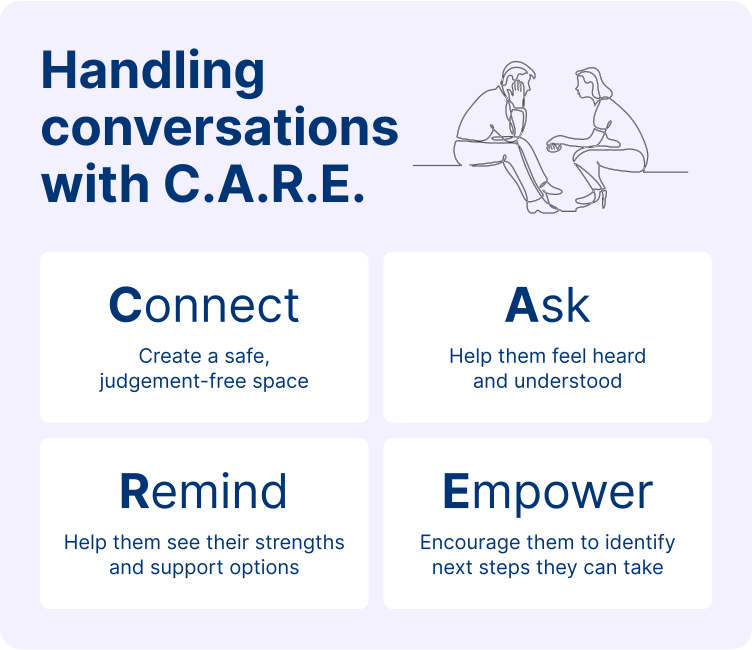
The C.A.R.E. framework, which stands for Connect, Ask, Remind, Empower, offers a simple way to express care, quickly build trust, and safely connect with someone who’s experiencing the distressing emotions that can come with eating challenges and EDs.
To learn more about C.A.R.E. or for more conversation tips, read our guide on how to talk to someone about their mental health.
The words you use can make a big difference. Supportive language can help the person you care about feel safe and understood while reducing feelings of shame or isolation.
You can say things like:
- ‘I may not fully understand what you’re feeling, but I’m here to listen whenever you feel ready to talk.’
- ‘I care about you and want to support you in whatever way feels best for you.’
- ‘It’s okay to take things one step at a time, I’m here for you.’
- ‘I can’t imagine how hard this is for you, but I believe in your strength and ability to overcome it.’
Try to avoid:
- ‘But you don’t look sick.’
- ‘Everyone has body image issues.’
- ‘It’s just a phase, you’ll get over it.’
- ‘Just think positively.’
- ‘It’s not that big of a deal.’
Focusing on understanding rather than solutions can help the person you care about feel more comfortable opening up.
Empathy involves deeply understanding and sharing another person’s feelings, which can be more comforting and feel more authentic than sympathy.
To show empathy, you might say something like ‘I understand why you’re hurting so much right now’ or share your own experiences in a way that supports the way the other person is feeling, rather than shifts the focus away.
Below, you can watch a helpful video that explains the difference between empathy and sympathy.
Everyone’s journey is unique, and the type of support they need may differ from what you expect. It’s okay if the person you care about might not be ready to accept help right now. Staying present, respecting where they’re at, and letting them know you’re there is important and can still go a long way.
Sometimes, simply listening without judgement and offering a calm, empathetic presence is enough to provide reassurance.
Your care matters deeply, but eating concerns and EDs often require professional help. If it feels right, you can gently encourage the person you care about to connect with a GP, counsellor, or helpline like Butterfly.
For example, you can say:
- ‘I wonder if speaking to someone like a counsellor could help lighten the load.’
- ‘If you’d like, I can help you find someone to talk to or go with you to an appointment.’
You can find services like the Butterfly National Helpline (1800 ED HOPE) or search local options with the Lifeline Service Finder. Alternatively, you can send them a link to our eating and body image topic, which can help guide them to the type of support they’re looking for.
When you notice changes in someone’s behaviour, it can be easy to jump to conclusions or feel unsure about what to say. Instead of making assumptions, try observing the person you care about’s actions with care and curiosity.
Gently raising your concerns shows that you’ve noticed something is different and that you care without making the person feel judged or defensive.
For example, you could say: ‘I’ve noticed you seem stressed about meals lately. I’m here to support you if you’d like to talk.’
This approach creates a safe space for them to share their feelings, letting them know they’re not alone and that help is available. It’s not about solving the problem, but showing that you’re there.
Healing can be a long road. Your consistent and non-judgemental encouragement during challenging moments can help the person you care about stay motivated. If you try to constantly monitor someone’s eating habits or behaviours, it might make the other person pull away.
Instead, focus on strengthening your relationship by:
- Suggesting non-food-related activities like a movie night or a walk
Including them in plans without pressure, even if they decline - Offering affirmations of their worth beyond their eating habits. For example: ‘I love spending time with you, no matter what we’re doing.’
Remember, it’s not your job to ‘fix’ anyone.
Healing and recovering from an ED can leave the person you're supporting feeling exhausted and overwhelmed, making everyday tasks feel unmanageable. Offering practical help can be one of the most meaningful ways you can provide support and show you care.
This could look like:
- Running errands
- Helping with kids
- Helping with household chores.
Your ongoing assistance and support can make a significant difference in their daily life.
Self-care can feel challenging for someone navigating eating challenges or an ED. They might feel undeserving of care or struggle to know where to start. Gently encouraging self-care reminds them that their wellbeing matters and that small, nourishing actions can make a difference.
Examples of self-care to explore:
- Gentle movement: Suggest activities like stretching, walking, or yoga that focus on how their body feels rather than how it looks. You can say, ‘A short walk together might help us both feel more refreshed.’
- Finding quiet time: Suggest simple ways to rest their mind, like sitting outside for fresh air, listening to music they enjoy, or practising slow, mindful breathing.
- Creative outlets: Recommend low-pressure activities like doodling, journaling, or working on a puzzle. These can be calming ways to express emotions and shift focus from distressing thoughts.
These small moments of care can help the person you care about reconnect with themselves and create a sense of safety and balance. Even the smallest act, like drinking a glass of water or taking a few minutes to pause, is meaningful.
Equip yourself with knowledge
Taking time to understand what the person you care about might be experiencing can reduce feelings of helplessness and build connection, as well as help you respond to needs with care and empathy.
You can:
- Visit our types of eating challenges and EDs page to better understand how EDs can show up in thoughts, feelings, and behaviours
- Learn more about potential causes of eating challenges and EDs to gain insight into the complex factors that might contribute to their struggles
- Explore resources like Eating Disorders Families Australia (EDFA), which offers free tools, learning materials, and support groups tailored for carers.
- Read tips on talking to someone about their mental health for guidance on starting supportive and compassionate conversations.
- Consider taking Carer Gateway's online program to learn skills to manage stress, improve communication, and protect your mental health and wellbeing as a carer.
By equipping yourself with knowledge, you’re taking an important step toward providing thoughtful, informed support that can make a real difference in their healing.
It’s normal to second-guess yourself when you notice changes in someone’s behaviour or habits, especially when the signs are subtle.
You might wonder if you’re overreacting or whether it’s your place to say something. Eating challenges and EDs can show up in many ways, and everyone’s experience is unique.
Common signs can include:
- Changes in appearance: Shifts in weight, dry skin, or thinning hair
- Avoidance of meals: Making excuses not to eat or skipping meals entirely
- Rigid food rules: Cutting out food groups or frequent talk about diets
Excessive exercise: Continuing to exercise even when tired, unwell, or injured - Social withdrawal: Pulling back from activities or events they used to enjoy
- Negative self-talk: Comments about their body or frequent comparisons to others.
If you’re concerned about a child or teenager, visit our signs and effects of eating challenges and EDs page for age-specific insights.
Tips for looking after your wellbeing as a carer
It’s natural to put your own needs last when you’re focused on someone else, but taking care of yourself is essential to avoid burnout and protect your mental health.
Ways to recharge and stay resilient:
- Connect with your support network: Spend time with friends, family, or a trusted community group. Talking about your feelings can lighten the emotional load.
- Spend time outdoors: A walk in fresh air or quiet moments in nature can help reset your mind and reduce stress
- Pursue hobbies or interests: Engaging in activities that bring you joy or a sense of accomplishment can help you feel more balanced and grounded
- Rest without guilt: Taking time to rest isn’t selfish; it’s necessary. You need it to stay healthy and to continue offering meaningful support. Click here to learn about the importance of sleep and mental health.
You deserve care and kindness just as much as the person you’re supporting. By allowing yourself time to recharge, you’ll show up for them with renewed energy and focus.
Scroll down for more tips on looking after yourself as a carer.
Supporting someone through eating challenges or an ED can bring up a mix of feelings, from hope and love to frustration and worry. These emotions are valid, and it’s important to take time to process them.
Ways to manage your feelings:
- Journaling: Write about your thoughts to help untangle your emotions and gain clarity. Click here for journaling prompts to get started.
- Talking to someone you trust: Share your experiences with a friend, family member, or therapist who can offer perspective and support. Click here to learn tips for talking to someone you trust.
- Practising mindfulness: Spend a few quiet moments focusing on your breath to help manage stress and find calm. Click here to learn how to get started with mindfulness.
Boundaries protect your emotional wellbeing and make your support sustainable. They’re not about pushing someone away but about recognising your limits and communicating them with care.
You can try setting boundaries like:
- Define your emotional capacity: ‘I’m happy to talk about how you’re feeling, but I might need to step away if it becomes overwhelming. Let’s write down trusted people or helplines you can contact if I need a break.’
- Set limits on triggering topics: ‘I’m here to listen, but I’d prefer not to talk about specific details like calories or purging behaviours. Let’s focus on how I can support you emotionally instead.’
- Recognise when you need a break: ‘I love being here for you, but I need some time to rest. I’ll check in with you soon.’
Setting boundaries ensures you can continue offering support without feeling overwhelmed or taking on too much responsibility.
You don’t have to do this alone. There are services and resources specifically designed for carers of people with eating concerns or EDs:
- Eating Disorders Families Australia: Free online support groups, learning resources, and one-to-one video counselling specifically for carers. Click here to learn more.
- Butterfly: Specialist support for individuals and carers, including a helpline, counselling, and resources. Click here to learn more.
- InsideOut Institute for Eating Disorders: Offers online tools, assessments, and self-led programs for carers and individuals. Click here to learn more.
- Eating Disorders Families Australia (EDFA): Provides workshops, forums, and resources tailored for families and carers. Click here to learn more.
- Carer Gateway: Offers practical advice, peer support, and counselling for carers across Australia. Click here to learn more.
Reaching out for support isn’t a sign of weakness. It’s a way to stay strong and resilient for the person you care about.
Your presence, patience, and compassion mean so much, even if it doesn’t always feel like enough.
By taking care of yourself, you’re building a foundation of strength that benefits both you and the person you care about. Remember, support isn’t about having all the answers. It’s about showing up, staying consistent, and offering kindness along the way.
Click here to download, save, or print our eating and body image fact sheet.