Support Toolkit

Depression

Understand what depression is, what it can feel like, and where to find support for you and the people you care about.

Understanding depression

Depression is a low mood that sticks around. It can involve feelings of sadness, emptiness or hopelessness, and it can affect every aspect of your life. You might lose interest in doing the things you love, or withdraw from your normal life.

Depression comes in all shapes and sizes. Your experience could be mild, moderate or severe.

In its mildest form, depression might make you feel down or isolated. Life could feel like an uphill battle and it may feel challenging to engage in normal activities.

Severe depression is more likely to seriously affect how you function in most aspects of your life, including work, hobbies, and relationships.

The main difference between mild, moderate and severe depression is in the number of symptoms you have, the type of symptoms you experience and the severity of how these symptoms impact your life.

Depression is also a shapeshifter – it can show up differently in everyone.

Watch this video to learn more about depression.


Who does depression affect?

Depression is a mood disorder that doesn’t discriminate. Regardless of how old you are, your gender, religion, cultural background, sexuality or any other identity you resonate with, depression can impact you.

Although I am a happy extrovert, I also tend to hide under that facade and feel like I need to put on the happy mask all the time.


When is it a problem?

Feeling low or sad at times is part of being human. But if these feelings don’t pass, they cause you distress, or they begin to interfere with your life, it could be a sign that you’re experiencing depression.

Techniques & Guides

Reaching out to Lifeline: What to expect and how to feel more prepared

Learn practical tips for speaking with a crisis supporter, explore calming strategies, and find reassurance that whatever you’re going through is valid and you’re not alone.
Read time icon 9 minutes read
Helps with Finding Support

What does depression feel like and how can it affect me?

Depression is different for all of us, and our symptoms, experiences and feelings can look different, too.

Depression doesn’t just affect our emotions. It can also impact how we behave, and have physical symptoms too.

Watch this video to learn what depression feels like and how you can manage it.


Feelings and thoughts

Depression can impact our capacity to participate in our lives in a meaningful way.

You could find that you’re not getting joy from the things that usually make you happy, like friends, hobbies or other experiences.

You might feel:

  • Helpless or hopeless
  • Worthless
  • Guilty
  • Angry or irritable
  • Sad
  • Numb or disconnected
  • A lack of self-confidence or self-worth
  • Like you don’t want to be around others.

I cried everyday, didn’t want to leave my bed and felt completely helpless.

You might think:

  • You’re a failure
  • You’re worthless
  • You’re a burden to the people around you
  • Nothing ever goes right for you.

We know that depression can change how we perceive both ourselves and the world around us.

Remember - these thoughts are not necessarily true or accurate.

You may even experience thoughts of suicide and self-harm, as well as have trouble making decisions.

These thoughts will often become less intense as you start to manage your feelings of depression.


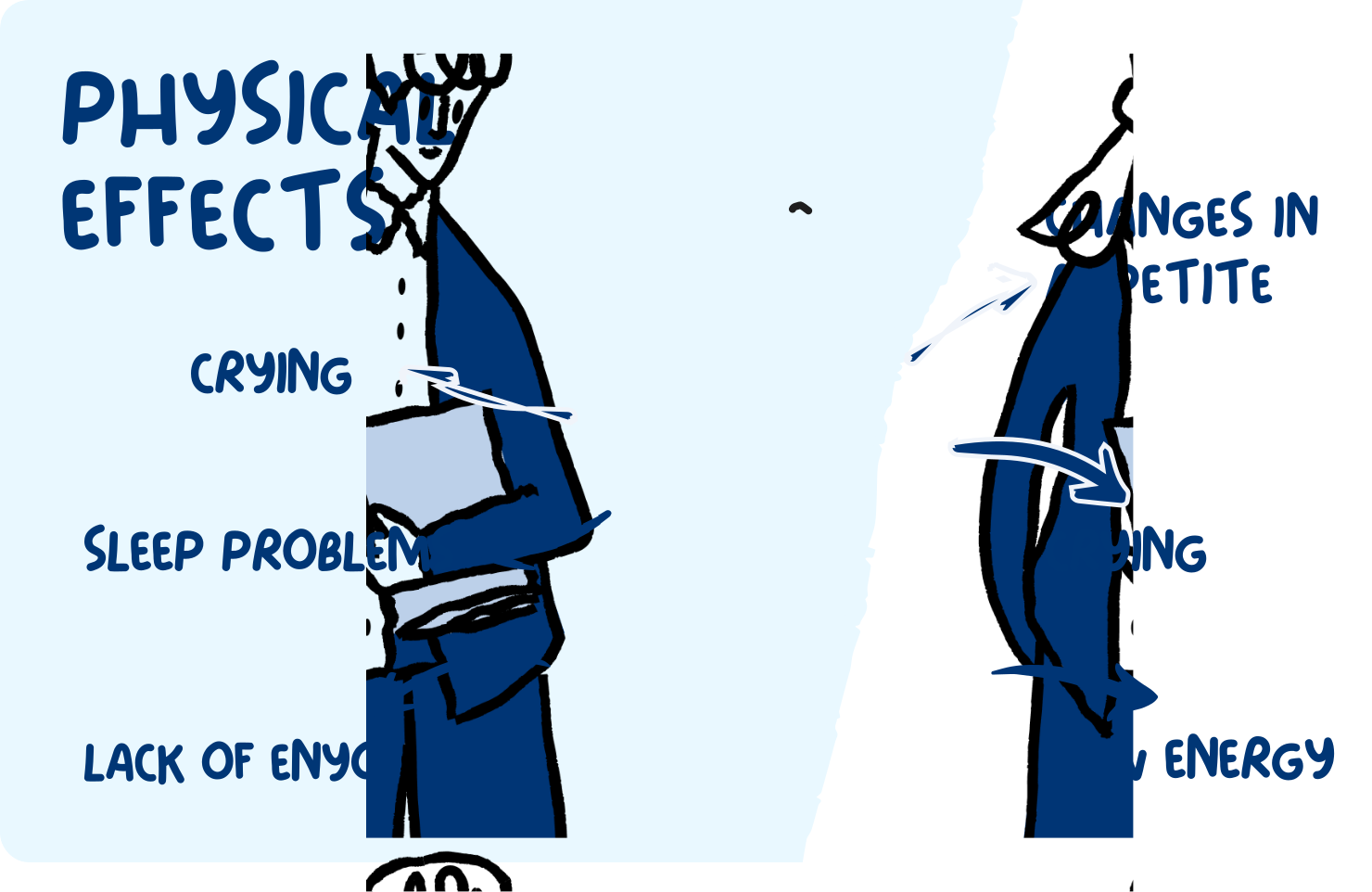
Physical effects

Depression doesn’t just affect our brains – it can also create flow-on physical effects, both in our bodies and in how we behave.

Common physical effects or behaviours can include:

  • Difficulty sleeping, or sleeping too much
  • Crying regularly
  • Being unable to get out of bed
  • An inability to do the things you normally would
  • A change in appetite, which can sometimes lead to weight gain or weight loss
  • A loss of interest in, or losing the ability to have sex
  • Trouble focusing
  • Slowness and low energy.
Physical effects of depression illustration

How else could depression affect me?

Depression can sometimes make it difficult to function, so it’s common for other aspects of your life to be impacted too.

These can include:

  • Losing friends or relationships
  • Finding it difficult to maintain employment, or keep up with school
  • Having trouble maintaining a routine
  • Not being able to keep commitments
  • Finding it hard to maintain personal hygiene or keep a clean home.

I didn't want to open up to people out of fear, because I didn't want to open up and grow even sadder than I already am. I cried a lot.


What's a negative spiral?

It’s also common for depression to create a negative spiral of thoughts, feelings and actions, which can deepen our depression.

Our thoughts, feelings and actions are all connected and can influence one another. Thoughts can affect our feelings and actions, and the way we act can affect the way we feel and think.

Here’s an example of what that could look like:

  1. Thought: “Nobody likes me. I don’t belong.”
  2. Action: Those thoughts could lead you to stay at home, cut yourself off from your friends and family, and stop replying to messages
  3. Feeling: These thoughts and actions can spiral into deeper feelings of loneliness and depression
  4. These feelings strengthen the thought: “Nobody likes me. I don’t belong”.

Cognitive behavioural therapy works by short-circuiting this link between our thoughts, feelings and actions.

Click here to download, save, or print our depression fact sheet.

What are the different ways you can experience depression?

There are a number of different types of depression, and the symptoms of each can vary in terms of how intense they are, and how long they last.

Some of the ways you can experience depression include:

  • Depression that lasts for a lengthy period of time, but may come with fewer symptoms. This is sometimes referred to as persistent depressive disorder.
  • Depression that is very intense and impacts your daily life, but may not last for a considerably long period. This is sometimes referred to as major depressive disorder.
  • Depression that could start during the darker, colder winter months and might lift once it gets lighter and warmer. This is sometimes referred to as seasonal depressive disorder.
  • Depression that occurs during or after pregnancy. This is sometimes referred to as antenatal or postnatal depression. This type of depression doesn’t just happen for women.

I started experiencing bad anxiety and depression after my daughter was born and she developed a sleep disorder known as parasomnia.

Davina

Click here to download, save, or print our depression fact sheet.

What can cause depression?

While experts are still figuring out the concrete causes of depression, we do know that the likelihood of you experiencing depression can be influenced by your current circumstances, experiences you’ve had in the past, and even your genetics.

Just like the symptoms of depression, the causes or triggers can be different for everyone.

So what kinds of personal factors, events or experiences could lead to feelings of depression?


Your current circumstances

Feelings of depression are often caused by parts of our life that we’re unhappy with, or which are causing us distress.

Depression can be caused or triggered by life stressors like:

When I split with my ex-wife, I went to a really dark place.

Lachie

It’s important to note that feeling low or sad is completely normal for all of us after certain experiences.

For example: if you’re feeling down after losing a loved one, losing your job, or after your children move out of home, you might not be experiencing depression. However, if your symptoms last a long time and the severity of your symptoms impacts your daily functioning, it could be a problem.

A sense of disconnection is also a common cause of feeling depressed and can come in a number of forms.

You might feel:

  • Disconnected from others, including friends, your partner, or family
  • A disconnection between your values and the way you live your life
  • Disconnected from a sense of meaning or purpose in life.

Click here to learn about the importance of building social connections.

Having strong friendships and relationships is an important part of mental wellbeing. Feelings of loneliness can arise if we’re unhappy with our level of social connections, and is a major contributing factor to depression.

For many of us, the pandemic has intensified these uncomfortable emotions and caused us to feel isolated from our loved ones, our communities and the outside world.

We all deserve to be loved and cared for by those closest to us.

Not feeling seen, understood or valued by the people around you, especially those who you love, can make it hard for us to have a sense of self-worth, self-confidence and self-esteem.

Click here to learn more about the importance of self-esteem and our mental health.


Past or childhood experiences

Experiences or situations in your past, particularly in childhood, could make you more vulnerable to experiencing depression. These experiences may still feel like they happened just yesterday, even if they were a long time ago.

Past experiences can also contribute to depression even if we don’t remember them, or think they’re still important.

These experiences could include:

  • Abuse, including physical, sexual or emotional abuse
  • Witnessing domestic and family violence
  • Traumatic events (such as accidents or violence)
  • Dealing with the separation of your parents
  • Experiencing the loss of family or friends
  • Neglect, including emotional neglect, or a lack of support from loved ones
  • An unstable family situation.

It’s important to note that this list does not cover every past situation that could contribute to depression.


Genetics

We don’t fully understand the connection between genes and depression just yet, but we know our genes can affect our likelihood of experiencing depression.

Research involving identical twins (with the same genes), raised in different homes, has also strengthened the evidence that there is a genetic link. Studies show that when one twin has depression, the other twin also experiences the condition 67% of the time – even if their environment and lives were completely different.


What other factors could be contributing to depression?

Your diet, sleep quality, physical activity, self-care activities, and consumption of alcohol and other substances can all play a role in depression.

Depression can often be a cause or a result of addiction. Click here to read our support guide on understanding and managing addiction.

Techniques & Guides

Sleep and mental health

Improving your sleep can also improve your mental health. Learn about common sleep problems, tips for creating healthy sleep habits, and strategies for falling asleep.
Read time icon 15 minutes read
Helps with Sleep Anxiety

Other coexisting mental health issues, like anxiety or Post Traumatic Stress Disorder (PTSD). Studies show that about half of people who have one mental health condition are likely to experience another.

For example, if you’re feeling anxious and this stops you from seeing your friends, this could contribute to a sense of isolation and loneliness, which we know are factors that can contribute to depression.

Withdrawal from addictive behaviours, drugs and particularly antidepressants can also contribute to depression.

It's important to consult your GP or mental health professional before completely stopping many drugs, including antidepressants, opioids, and benzodiazepines.

Click here to learn more about the mental health impacts of substance misuse.

Alternatively, click here to read our support guide on understanding and managing addiction.

Social media use has been shown to contribute to feelings of loneliness in some situations, which we know is a common cause of depression.

It’s natural to compare ourselves to others but social media often shows us a selective, stylised version of the best bits of other people’s lives, which can make us unfairly critical of our own lives in comparison.

Click here to learn about the benefits of doing a digital detox.

Exposure to news and current affairs, particularly during times of crisis, can increase feelings of stress, anxiety and depression. Finding a balance between staying informed and not becoming overwhelmed is tough, but also really important for our wellbeing.

Remember, depression is a treatable condition. There are things you can do to feel better in the moment and long-term strategies that work to treat depression.

Click here to download, save, or print our depression fact sheet.

Short-term strategies for managing feelings of depression

Taking the first steps in your wellbeing journey can be challenging. Big feelings are a big deal, but being willing to try is what’s important.

If things don’t work out or feel easy at first, try not to be discouraged. The path to good mental health is different for everyone, and it’s normal for different approaches to work for different people. There are many ways to manage depression, so it’s important to find the approach that works best for you.

When you’re feeling low, it can be easy to sink into the feeling – but finding ways to manage your negative feelings in the moment can make a meaningful difference to the way you feel and the way you deal with negative emotions.

Below are a number of evidence-based things you can do to feel better in the moment.


Practical things you can do to feel better right now

It can be difficult to show yourself compassion when you’re feeling depressed, but it’s an important first step to managing your depression.

Criticising, or getting down on yourself for how you’re feeling can just make you feel worse. This is because it can add shame or guilt to the emotions you are already feeling. It’s ok to not be ok.

Remember:

  • It’s okay to take on less or ask less of yourself when you’re not feeling great. If you’re feeling depressed, try reducing the expectations you’ve set for yourself or reach for the self-care activities that work for you. It's especially important to ensure you're getting enough quality sleep.
  • We’re often far more critical of ourselves than we would be of a friend in the same situation. What would you tell someone else if they were in your situation?

Listen to Caitlin's message of support below.

It’s always important to acknowledge and accept how you’re feeling, because denying your emotions can lead to them coming back in the future, as painful feelings or as destructive behaviours.

But sometimes in the moment, if you’re feeling a particularly negative or overwhelming emotion, it might be helpful to use a distracting technique to help you cope.

You might like to:

  • Listen to music you enjoy
  • Watch your favourite TV show
  • Read a book
  • Play a game
  • Chat with a friend.

Spending time outdoors has been proven to boost our mental health and emotional wellbeing.

You might like to:

  • Go for a walk
  • Sit outside with a book
  • Enjoy the sunshine
  • Get your hands dirty in the garden.

Sunlight, fresh air and being in nature in general are powerful ways to improve emotional wellbeing in the moment. Even being outside in ‘bad’ weather can help us reconnect with the world and improve our wellbeing, just remember to keep warm and take a raincoat.

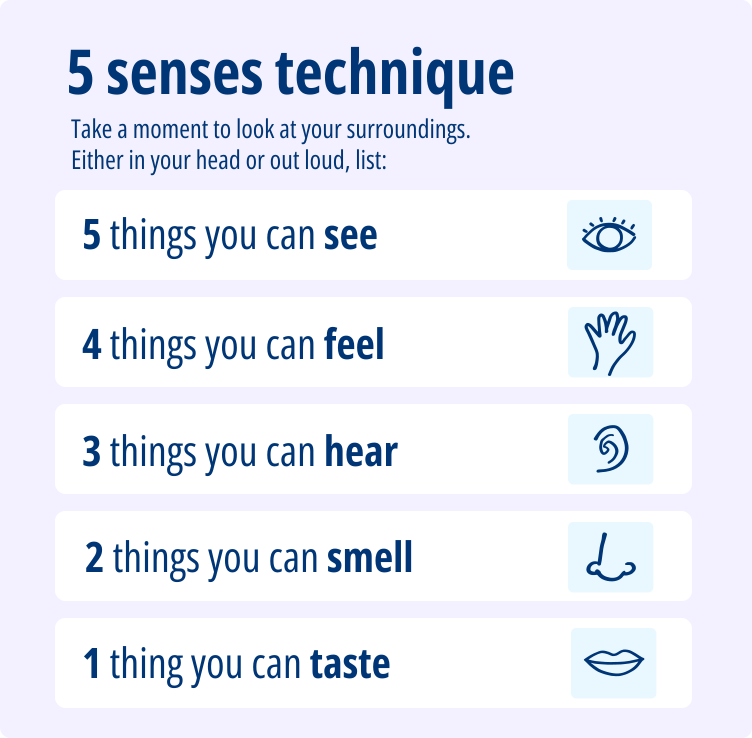
If you’re feeling overwhelmed, grounding is a strategy that can help. Grounding connects you with the present moment, rather than getting caught up in your thoughts. It can help you find a sense of stability or solid ground when things are swirling..

5 Senses Grounding Technique for Anxiety and Stress Relief – A simple mindfulness exercise on a light purple background with dark blue text. The instructions encourage you to take a moment to look at your surroundings and either in your head or out loud, list: 5 things you can see, 4 things you can feel, 3 things you can hear, 2 things you can smell, and 1 thing you can taste to help stay present and calm.

Click here to discover more grounding activities.

Putting your feelings into words can help you work through challenging or complex experiences. You might choose to write on a piece of paper, type on a computer or phone, or record a video or voice recording.

The format doesn’t matter – what’s important is that you let your feelings flow and get them out of your head.

Below are some examples, try exploring whichever feels right for you:

  • What emotion are you mostly feeling right now?
  • What do you think is causing these feelings?
  • What makes you feel good? What are you excited for?
  • What are five things you’re grateful for?
  • What elements of your life are within your control?
  • How would you help a friend if they felt the same way you did?
  • What is going well in your life?

Opening up about your feelings can be challenging, but many people find it really helpful. Speaking to someone you trust can help you feel connected and supported. Remember you don’t have to go through things on your own.

Depression can make us think things like ‘I’m a burden’, or ‘people are better off without me’, so talking to someone you trust is important as it reminds us what is usually true - that people care about us, and want to help.

It’s important to choose the right person to open up to. You may want to ask a trusted family member or friend if they have the time to listen.

It can also be helpful to talk with your regular doctor or a mental health professional. Remember that you can always reach out to Lifeline too.

When you’re struggling, it can feel comforting to have easy access to all of your favourite things. Making a self-care box is a bit like preparing a first-aid kit for your mental health. It doesn’t have to be physical either – you might like to just write a list that reminds you of your favourite things.

You could include:

  • Your favourite books or movies
  • A cosy blanket, slippers or outfit
  • Your favourite food or type of tea
  • Words of encouragement or some of your favourite quotes
  • Comforting notes or letters from loved ones
  • Photos that make you feel good.

When you feel depressed, it can be challenging to make and follow through with plans. But planning activities can:

  • Give you some structure
  • Give you something to look forward to
  • Help you connect with others
  • Take your mind off things
  • Make you feel less tired and think more clearly.

Planning fun and relaxing activities is great for your mental health, but doing things that bring you a sense of achievement is really important, too, even if they don’t seem fun.

Doing things like making your bed, cleaning up, exercising or cooking yourself a nourishing meal can help you feel a sense of achievement, which can boost your overall mental health.

Putting words to how we’re feeling has been shown to help us create distance from those feelings - if you can see the emotion, you don’t have to be the emotion.

Some studies have shown that simply labelling how we’re feeling can reduce distress by as much as 50%.

Techniques & Guides

Creating a self-care box

Self-care can help you cope with challenging times by ensuring your emotional, physical, and social needs are being met. In this article, we detail how having a self-care box can be a valuable mental health and wellbeing tool.
Read time icon 6 minutes read
Helps with Distress Overwhelm

Stepping outside and seeing the sunshine or the rain, being connected to nature, is really grounding and refreshing.

Tanya

To learn more about what it's like to experience depression and ways to manage it, you can:

Explore long-term strategies for managing depression

Depression is a complex condition, but the good news is that it can be managed with a combination of strategies. What works for one person might not work for another – what counts is the willingness to try.

There are things we can do to address the root causes of depression, and other strategies that minimise the severity or the number of symptoms.

With the right approach, patience, and support from others, recovery from depression is possible.


Tackling root causes

As humans, we all need social relationships. We’re naturally wired to live in groups and rely on each other - counting on the support of other people is how we’ve survived and thrived as long as we have.

Our need for friendships is so strong, that loneliness even affects our physical health. Research has shown that extended periods of loneliness are as bad for our physical health as smoking 15 cigarettes a day.

Making new friends is hard, especially as we get older. While we can’t just create new friends out of thin air, taking small steps in the right direction is what matters.

Below are some places you might like to start:

  • A website or app where you can meet other people around shared interests, such as Meetup
  • Volunteering at a local charity
  • Join an online community or discussion forum
  • Trying to find common interests with people you work or go to school with.

You can learn more in our building social connections article below.

Building social connections

Having strong social connections is one of the most important factors for our mental health. Here we bring you how to get started on building new connections.
Read time icon 5 read
Helps with Loneliness Connection

There may be particular circumstances or issues in your life that contribute to your feelings of depression. Your personal circumstances can feel complex, but it can help to try and address core issues in your personal life where possible.

This might feel challenging, but just taking the first step can make a difference in your mental health, and give you back a sense of control. Remember, you’re not alone. There are many people and support services that can help you through the steps you’re taking.

Some of the circumstances that contribute to feelings of depression include:

Strategies like therapy can help you find better ways to cope and develop resilience in your life. There are many different versions of therapy that can help manage depression, including cognitive behavioural therapy (CBT), interpersonal therapy, and others.

Therapy can help you:

  • Adjust to a crisis
  • Find better ways to cope or manage
  • Identify issues that contribute to depression
  • Set realistic goals
  • Identify and challenge negative beliefs and behaviours.

A walk outdoors to the coffee shop with a friend was the highlight of my day.


Minimising and managing your symptoms

Each of the below self-care strategies has been shown to help reduce feelings of depression.

When used in combination with the above strategies, they can have a strong positive impact on your wellbeing.

Sleeping well is a really important part of managing depression, but depression itself can make healthy sleep patterns feel impossible. Developing good sleep habits can help find the right balance.

These can include:

  • Switching off your screens before bed
  • Avoiding alcohol and caffeine before bed
  • If you can’t sleep, get up and do something calming until you feel sleepy
  • Trying to avoid napping during the day
  • Keeping the bedroom for just sleep and sex.

Learn more in our sleep and mental health article below.

Techniques & Guides

Sleep and mental health

Improving your sleep can also improve your mental health. Learn about common sleep problems, tips for creating healthy sleep habits, and strategies for falling asleep.
Read time icon 15 minutes read
Helps with Sleep Anxiety

Being kind to yourself while you’re feeling low is challenging, but adding shame or guilt by criticising yourself will only make you feel worse.

Allowing yourself to feel what you’re feeling without needing to fix it right away is hard, but it's also really important.

If you’re feeling depressed, try reducing the expectations you’ve set for yourself, or reach for a self-care box.

Research shows that eating a nutritious diet can help reduce the symptoms of depression.

Foods that may help minimise your symptoms include:

  • Protein – like fatty fish, nuts, beans and lean meat
  • Fruit and vegetables (specifically leafy greens)
  • Whole grains – brown rice, quinoa and wholemeal bread or pasta
  • Low fat dairy – like yoghurt, milk and cheese.

Studies show that regular exercise can reduce the symptoms and severity of depression. Our brains and bodies are linked, and exercise releases chemicals that boost our mood including endorphins and dopamine.

To feel its benefits, you don’t have to engage in vigorous movement. Gentle exercise like walking or yoga creates the same mental health benefits that running, or a high-intensity workout does.

You might also like to combine the benefits of exercising with social connection by playing a team sport or simply going for a walk with friends.

It can be easy to reach for substances when you’re feeling low, but drugs and alcohol can be really harmful, especially when we’re already in a depressed state. Substances that alter our thought patterns can really amplify our feelings of distress.

Research shows that being in nature can improve our mood and relieve symptoms of depression. Connecting with the outside world is also a great way to slow looping thoughts or painful memories by reconnecting with the world around you.

Creating a regular routine can work wonders if you’re experiencing depression. Depression can make it hard to feel motivated or productive, so you might find implementing structure into your day-to-day life helpful.

Sticking to a routine can:

  • Promote healthy habits
  • Combat or prevent burnout
  • Relieve anxiety
  • Boost motivation levels
  • Make us feel a sense of accomplishment.

Doing things that bring you joy is important for good mental health. It can help stop looping or painful thoughts, find a sense of achievement and increase positive emotions.

Hobbies are also a great way to form and strengthen social connection, and they can help you to develop routine and structure. You might also like to learn or try something new.

Medication can help in severe cases of depression, especially when used together with other strategies. Different people find different types of medication helpful.

You can talk to your doctor about your options. You may need to try a few different types before finding the medication that works best for you.

Remember, you’re not alone. Many people and organisations are here to help you make these changes or help support you on your journey to wellbeing.

I realised that sometimes in life you need medication to get by and that’s okay. I’m so glad I am now on medication and seeing a therapist. Now I’m stronger than I was a year ago.

Click here to download, save, or print our depression fact sheet.

Find tools and apps you can use to manage feelings of depression

Below is a curated list of some tools and apps you can use to help manage feelings of depression.

Tools & Apps

myCompass

myCompass is a free, self-paced mental health online program that teaches you evidence-based strategies to recognise and manage symptoms associated with anxiety, depression, and stress.
Helps with Stress Anxiety
Tools & Apps

Black Dog Institute's Online Clinic

The Online Clinic offers free clinical assessments for common mental health conditions and provides personalised reports of suggested support services and resources.
Helps with Mental Health Assessment
Tools & Apps

The Wellbeing Course

The Wellbeing Course is a free, 8-week online treatment that helps you break unhelpful habits while learning how to recognise and manage symptoms of anxiety and depression.
Helps with Anxiety Depression
Tools & Apps

Depression Program

Mental Health Online’s Depression Program teaches you about depression as well as skills and strategies you can use to manage it. It’s designed to help you feel better right now and in the long term.
Helps with Depression
Tools & Apps

MoodGym

MoodGym is a self-paced, interactive, and evidence-based online program that helps you learn how to prevent and manage symptoms of depression and anxiety through skills based on cognitive behaviour therapy (CBT).
Helps with Depression Anxiety
Tools & Apps

e-couch

Learn evidence-based strategies to help recognise and manage common mental health challenges like anxiety, depression, and grief.
Helps with Depression Anxiety
Tools & Apps

This Way Up

Offers free and paid self-paced online programs that teach practical ways to manage symptoms of anxiety, depression, and other mental health challenges.
Helps with Depression Anxiety
Tools & Apps

Smiling Mind

Smiling Mind is a mindfulness and meditation app that helps kids, teens, and adults improve their wellbeing and achieve specific mental health goals like better sleep, reduced stress, stronger relationships, and more.
Helps with Anxiety Depression
Tools & Apps

Beyond Now Safety Planning

Beyond Now Safety Planning provides an app and website for you to create a step-by-step plan to stay safe when you are overwhelmed or having thoughts of suicide.
Helps with Crisis Overwhelm

Connect with support services for managing depression

Below are a number of support services you can connect with to get help with managing feelings of depression.

Support Service

Beyond Blue

Beyond Blue offers free and confidential 24/7 counselling for anyone looking for a little help with their mental health.
Helps with Mental Health Wellbeing
Support Service

FriendLine

FriendLine is a free and anonymous national phone and chat service for anyone 18+ who’s feeling lonely, socially isolated, or just wants to connect with a friendly volunteer.
Helps with Loneliness Connection
Support Service

MensLine Australia

MensLine Australia provides free 24/7 counselling, information, and referrals for men with relationship, mental health, and wellbeing concerns. Call 1300 789 978.
Helps with Relationships Mental Health
Support Service

Kids Helpline

Kids Helpline is a free and confidential 24/7 phone and online chat counselling service for kids, teens and young people. Call 1800 551 800.
Helps with Family Bullying
Support Service

MindSpot

MindSpot is a free, digital mental health clinic that offers psychological assessments, teletherapy, and online treatment courses for challenges like depression, anxiety, stress, and more. Call 1800 614 434.
Helps with Depression Anxiety

Search for more services

Use the Lifeline Service Finder to search for more local and national services available to help support you.

Support Service

Lifeline Service Finder

Lifeline's Service Finder is an online directory of free or low-cost health and community services in Australia. Search for GPs, counsellors, material support and much more.
Helps with Finding support

Supporting someone experiencing depression

It can be hard to watch someone you care about experience depression. You might feel unsure how to help, especially if the other person finds it difficult to open up or put their feelings into words.

While depression looks different for everyone, some people withdraw or become distant, while others might seem overwhelmed, angry, or stuck in negative thoughts.

This page offers practical ways to start conversations, offer meaningful support, and care for your own wellbeing along the way.


Tips for starting a conversation

It’s not always easy to know what to say when someone you care about is struggling with depression. You might worry about saying the wrong thing or feel unsure how to bring up your concerns. But even a simple check-in can remind the other person they’re not alone and that you care.

Every conversation is different, but small things can help make it feel more comfortable for both of you.

Below, you can explore tips for starting a conversation with someone you're concerned about.

Finding the right time and space can help the other person feel more comfortable opening up.

  • Pick a calm, relaxed moment: Bringing up your concerns during a stressful or busy time might not help. Instead, wait for a time when they seem more at ease like during a meal or while walking.
  • Find a comfortable space: A familiar, quiet place can help them feel more comfortable. Side-by-side conversations while driving, cooking, or walking can feel less intense than sitting face-to-face.
  • Respect their privacy: Start the conversation in private to avoid putting them on the spot or making them feel pressured to respond.

If they’re not ready to talk, that’s okay. What matters most is letting them know you’re there whenever they are. A gentle reminder like, ‘I’m here when you feel like talking,’ can be reassuring without adding pressure.

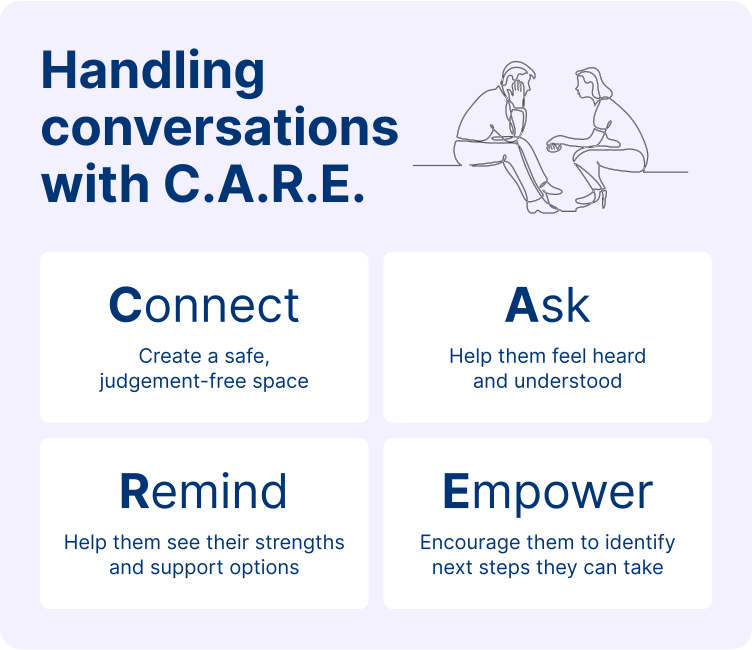
When someone opens up, your response matters. While it can be tempting to want to jump in with solutions, the best thing to do is use the C.A.R.E. Framework to guide your response:

  • Connect: Create a safe, judgement-free space. Let them share without interruption, and show you’re listening through your body language and tone.
  • Ask: Reflect on what they’ve said and help them explore it further. You might say, ‘It sounds like you’ve been feeling really down. How have you been managing?’
  • Remind: Highlight their strengths and the resources available to them. You might say, ‘You’ve been through tough times before and found your way through. There are also services that can help.’
  • Empower: Encourage small steps forward. Ask, ‘What’s one thing you’d like to focus on this week?’

Click here to learn more about the C.A.R.E. framework and tips for talking to someone about their mental health.

Empathy means sitting with someone in their experience and showing them they’re not alone. It’s about listening, validating, and creating space for them to share, even if you don’t have the perfect response.

In contrast, sympathy often involves trying to make someone feel better by offering reassurance or perspective, but it can unintentionally create distance. Responses like ‘At least you have...’ or ‘It could be worse’ might come from a caring place but can leave the other person feeling unheard.

Here’s an example to help illustrate the difference:

  • Sympathy: ‘I’m sorry you’re feeling this way, but things will get better.’
  • Empathy: ‘That sounds really tough. Depression can be overwhelming. I’m here if you want to talk more about it.’

For a powerful explanation of empathy, you can watch Dr Brené Brown’s short video below.


Supporting a child or young person experiencing depression

When a child or young person is struggling with depression, it can be harder for them to explain what they’re going through.

Instead of talking about how they feel, their depression might show up as changes in behaviour like withdrawing, becoming more irritable, or losing interest in activities they once enjoyed.

How you might help:

  • Start an open conversation: Ask how they’ve been feeling. You might say, ‘I’ve noticed you’ve been a bit quieter lately. How have things been for you?’
  • Validate their experience: Let them know their feelings are valid. You might say, ‘That sounds really hard. I’m here if you want to talk about it.’
  • Encourage small, manageable activities: If they feel stuck, suggest something low-pressure like going for a short walk or cooking together.
  • Help them connect with professional support: If they’re open to it, offer to help them find resources or set up an appointment with a GP or counselor.

Sometimes, kids and young people aren’t ready to open up, and that’s okay. The most important thing is to let them know you’re there whenever they are.

You can read more about how to talk to a child or young person about their mental health in our support guide below.

Techniques & Guides

How to talk to a child or young person you're concerned about

Parents, carers, and trusted adults can play a big role in supporting a child or young person through challenging times. Learn practical tips for starting a conversation and creating a safe space for them to open up.
Read time icon 12 minutes read
Helps with Offering support

Practical ideas for offering support

Depression can make everyday tasks feel overwhelming. Things like cooking, cleaning, or running errands can take enormous effort and feel impossible to manage. Even simple routines may fall away when energy is low, and motivation is hard to find.

Practical support can ease some of the mental load and create room for the person to focus on their wellbeing. There are lots of small ways you can help, whether it’s tackling day-to-day tasks, gently encouraging self-care, or supporting them with appointments.

You can offer to:

  • Cook a meal or drop off pre-made meals
  • Help tidy up their home, do the dishes, or tackle a small organising task
  • Walk their dog or care for their pets
  • Help mind their kids or drive them to school/activities
  • Pick up groceries or prescriptions
  • Help fill in and send important paperwork
  • Shop for everyday essentials

You can:

  • Invite the other person for a short walk or to stretch together. ‘Want to take a quick walk around the block?’ can feel more inviting than urging exercise.
  • Ensure they're getting enough to eat by offering to cook together or organising pre-made meals
  • Encourage moments of rest without focusing on how much the other person is sleeping. Watching a calming show together can be a gentle way to unwind. Click here to learn more about the importance of sleep for mental health.
  • Suggest light, low-pressure activities like grabbing a coffee or watching a movie.

You can offer to:

Sometimes practical help is about being there in the background as a supportive presence. Sitting with them during a difficult day or offering to watch a comforting show together can make them feel less alone, even without words.

Even small, thoughtful gestures can have a big impact. They remind the other person they’re not alone and that you care without the pressure for them to act or respond in a particular way.


Looking after yourself and your own mental health

Supporting someone experiencing depression often requires a lot of mental and physical energy. When someone you care about is struggling, it’s natural to want to do everything you can to help. You might feel a responsibility to be there for them at all times, especially if they’re leaning on you for connection and comfort. But when your focus is solely on their needs, it’s easy to overlook your own, leaving you feeling drained, overwhelmed, or even resentful.

That’s why caring for your own wellbeing is just as important. Taking time to rest and recharge isn’t selfish. It’s what allows you to keep showing up with steady, compassionate support. When you look after yourself, you’ll have more energy and patience to offer meaningful help without burning out.

Below, you can find tips and ideas for taking care of your wellbeing as a carer.

Boundaries protect your energy and help ensure that the care you’re offering is sustainable. It’s okay to say no sometimes and to recognise your own limits. In fact, setting boundaries can empower the other person to build resilience and explore other sources of support.

  • Be clear about what you can offer: Let the other person know what kind of support you can give. You might say, ‘I really want to support you, but I also need some time to recharge. How about we check in tomorrow?’
  • Stick to your boundaries with kindness: You can be both firm and compassionate. For example, ‘I can’t talk right now, but I’d love to catch up later this week.’
  • Know it’s okay to take a step back: If things feel too heavy, it’s okay to pause and ask for help from others in their support network. You’re not responsible for carrying everything on your own.

Healthy boundaries aren’t about shutting someone out. They’re about ensuring you can show up fully when you’re able to help.

Click here to learn more tips for building and maintaining healthy relationships.

Supporting someone with depression can bring up a mix of emotions like sadness, frustration, guilt, or even anger.

It’s okay to feel this way. These feelings are natural and don’t mean you’re doing anything wrong. Noticing and letting yourself feel them can help ease the weight you’re carrying.

Here are a few ideas for helping you make space for your feelings:

  • Talk to someone you trust: Sharing how you’re feeling with a friend, family member, or counsellor can help you feel heard and understood. Click here to learn tips for talking to someone you trust.
  • Write it down: Journaling can be a powerful way to release your thoughts and make sense of complex emotions. It can also help you reflect on what’s working and what’s feeling too heavy. Click here for journaling prompts to get started.
  • Be kind to yourself: It’s okay to feel a mix of emotions, even conflicting ones. Remind yourself that supporting someone isn’t easy and that you’re doing the best you can.

Caring for someone else is a lot easier when your own needs are being met.

Taking regular self-care breaks and focusing on what restores your energy will help you stay grounded and more present for the person you’re supporting.

Here are some ways you can recharge:

  • Schedule regular time for yourself: Even small moments of self-care like taking a walk, meeting a friend for coffee, or spending 10 minutes breathing quietly can help reset your mind.
  • Do things that bring you joy: Think about what makes you feel calm or energised. It might be reading, spending time in nature, listening to music, or cooking a favourite meal.
  • Notice signs of emotional fatigue: If you’re feeling irritable, emotionally drained, or physically exhausted, it’s a sign to pause and take extra care of yourself.

Click here to learn more about the importance of self-care for mental health and wellbeing.

Supporting someone through depression is a journey. You won’t always have the perfect response, and that’s okay. What matters most is showing up with care, empathy, and patience while also making space for your own needs along the way.

If it ever feels too heavy, reach out to someone you trust or a support service like Carer Gateway.

Support Service

Carer Gateway

Carer Gateway aims to make your life easier by providing emotional, practical and financial support for carers. Provides free counselling, information, peer support, emergency respite care, and financial help to carers via phone, online, and in-person services.
Helps with Overwhelm Self-care

You can also always speak with a Lifeline Crisis Supporter. We're here for you 24 hours a day, 7 days a week via 13 11 14, text, and chat.

For more support resources for depression, you can: