Finding relief through grounding techniques
When feeling overwhelmed, grounding techniques can be a practical yet powerful way to feel calm and regain control. Learn how they can help you.
 11 minutes
read
11 minutes
read
If life is in danger, call Triple Zero (000)

Translation notice: Lifeline Crisis Support is delivered in English. This page was translated automatically and may not be fully accurate. Spot an issue?
Share feedback about automatic translation accuracy.

Due to the impact of climate change, extreme weather events such as heatwaves, bushfires, floods, and droughts are happening more frequently. Since 2019, over 80% of Australians have reported experiencing a natural disaster.
While it can be easy to see the physical damage, we don’t always see the way these traumatic events can impact the mental health and wellbeing of ourselves and those we care about.
If you’re struggling to cope after a natural disaster or are worried about the potential effects of climate change, you’re not alone. Extreme weather can be unexpected and leave us with feelings of distress.
The uncertainty, anxiety, sense of loss, and financial stress that often come with weather-related events can be overwhelming.
This is especially true if you’re still recovering from a previous natural disaster or are already dealing with a stressful life event like the loss of a loved one, chronic illness, relationship breakdown or domestic and family violence.
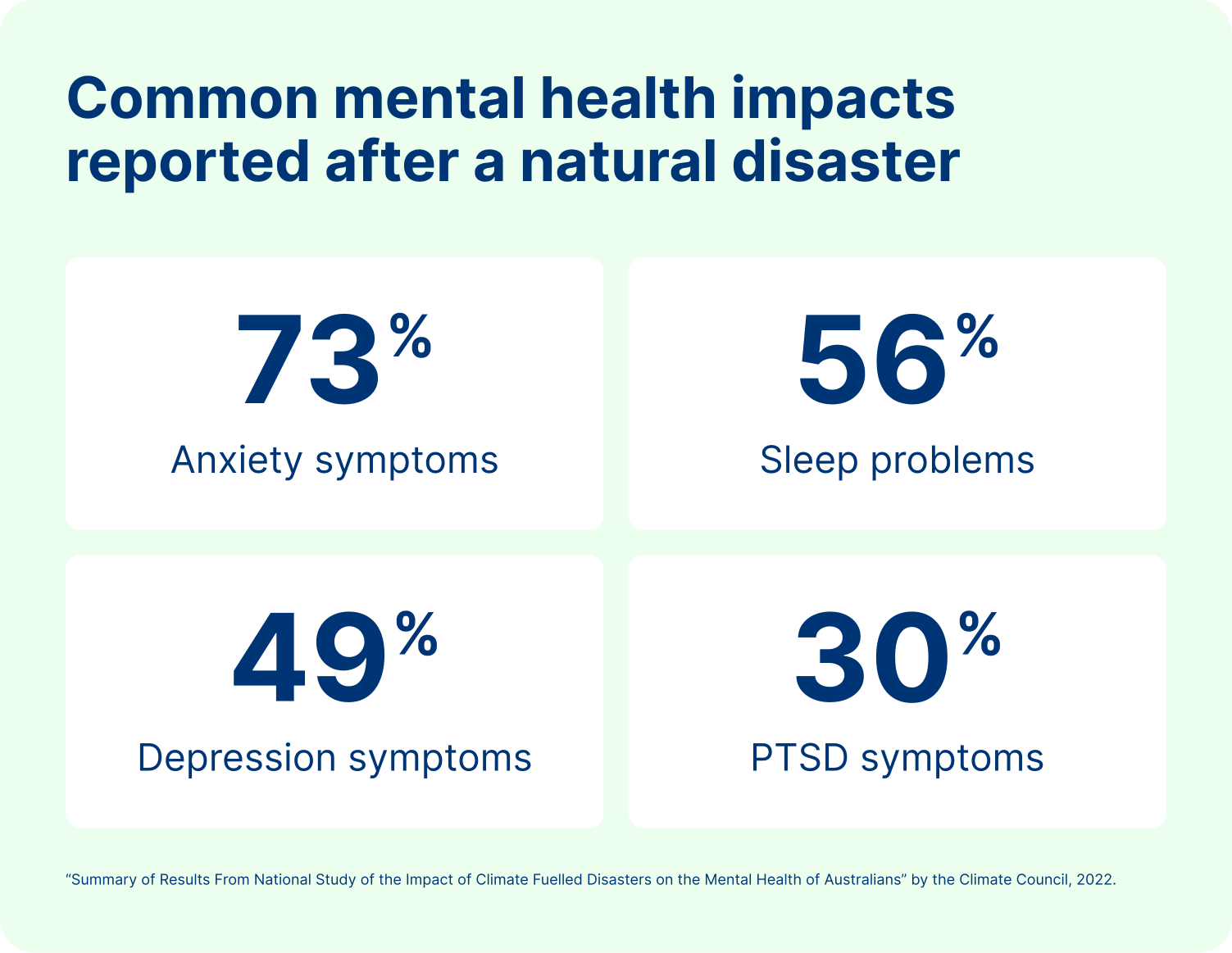
Whether you’ve experienced a natural disaster firsthand, as a first responder or are supporting someone else, it’s important to keep track of how you’re feeling, recognise when things are becoming too much, and reach out to people who can help when needed.
In this topic, you’ll find information and resources that can help you understand:

Help is available.
13 HELP (13 43 57) is Lifeline's 24/7 dedicated support line for people living through bushfire recovery or struggling to cope with an extreme weather-related event.
Alternatively, you can connect with a Lifeline crisis supporter via phone (13 11 14), text, and chat. If life is in danger, call 000.
Whether you experienced a natural disaster last week, last year or in the last three years, it’s understandable if you feel like you’re stuck on a rollercoaster of emotions. Healing and rebuilding can take a long time and will look different for everyone.
Oftentimes, the uncertainty of not knowing what’s going to happen or how things will get better can cause the most stress.
It doesn’t matter what your experience has been, the way you’re feeling is valid. Even things like thinking about climate change or anticipating extreme weather can cause feelings of anxiety.
What matters most is that you're being kind and compassionate to yourself, understanding your emotions, and recognising when you need support.
On this page, you’ll find information on:
Scroll down to learn more.
When a natural disaster causes major damage to your home, vehicle or business, it's normal to feel upset and overwhelmed by the recovery process. Tasks like finding somewhere to stay, organising repairs, and filing insurance claims can be time-consuming, stressful, and are often made harder by complicated emotions like grief.
You may not think you’re experiencing grief, but remember - grief isn’t limited to losing a loved one.
You can grieve:
There isn’t a right or wrong way to react to natural disasters because there isn’t a right or wrong way to cope with the stress, grief and trauma they can cause.
Below, we’ve listed common ways you might be thinking, feeling, and acting in the days, months, and years following a natural disaster or extreme weather event.
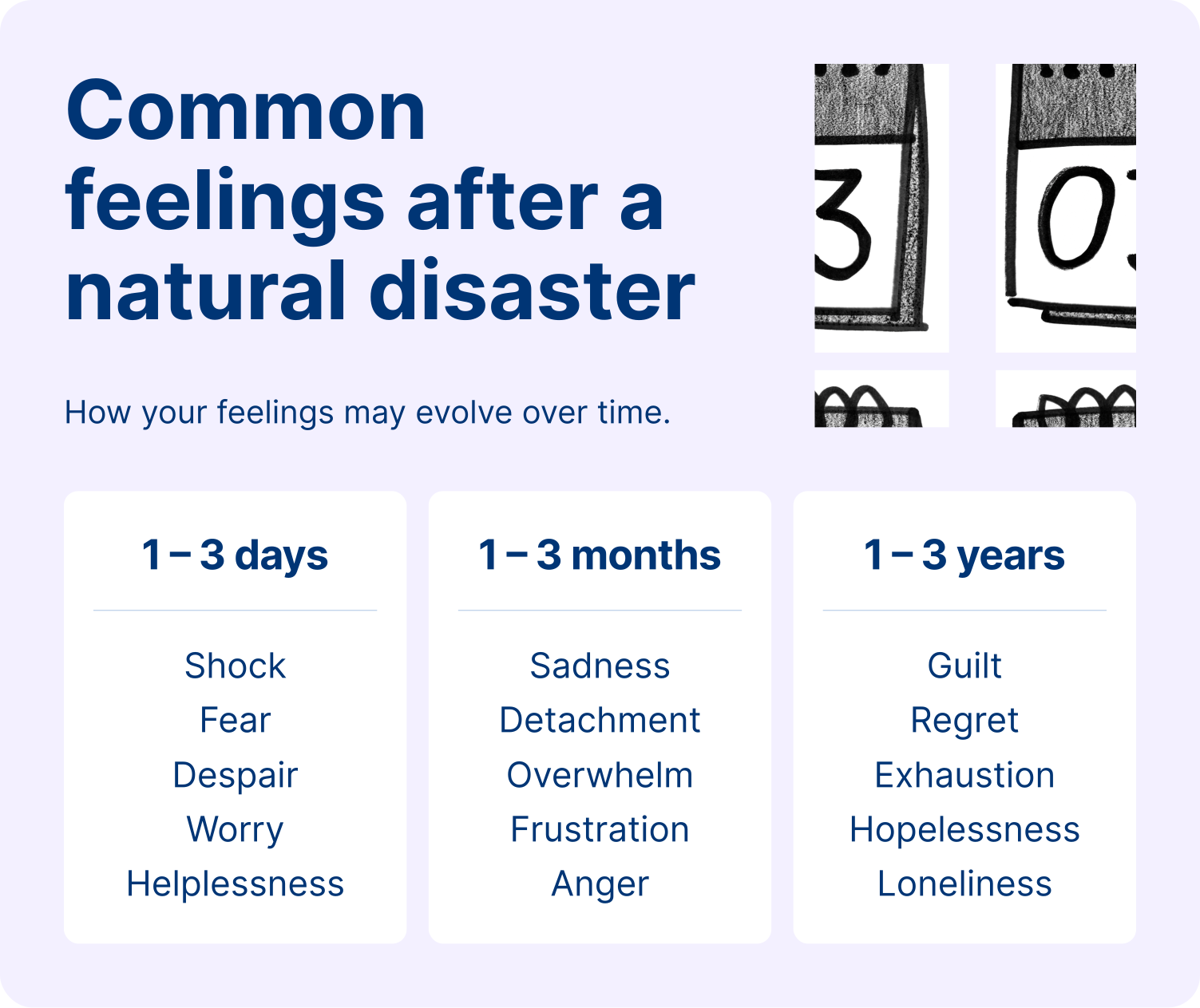
Keep in mind that you may experience just one, some or all of these feelings at any point in your journey. They can come in waves and vary in levels of intensity.
Some days, you may feel like you’re handling everything okay but your body could be showing you signs that you’re not coping as well as you think.
While it is normal to experience these stress responses if you’ve experienced a natural disaster, it’s important to find ways to manage your stress in order to protect your mental health and wellbeing.
Even if you haven’t struggled with your mental health in the past, experiencing a natural disaster can sometimes lead to mental health conditions like:
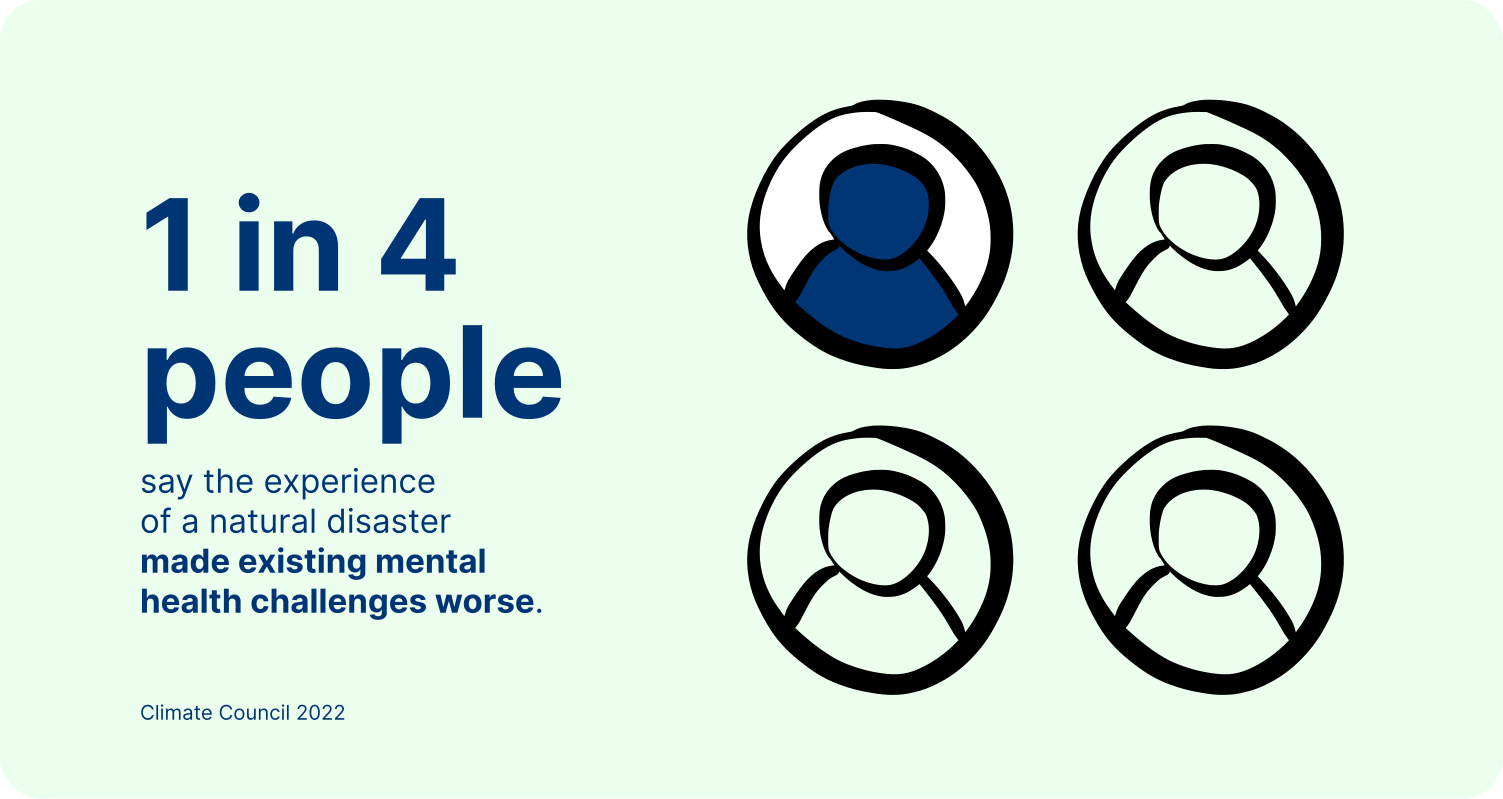
If you do have existing mental health challenges, experiencing a natural disaster can make those challenges more difficult.
Because of the isolation often experienced in the weeks, months, and years after a natural disaster or extreme weather event, we typically see a rise in:
Natural disasters can put a strain on relationships because of the heightened stress and emotions that can come in the aftermath. While you may be struggling to cope with your own emotions, you might also be struggling to support others.
If you’re separated from your usual support networks and communities, you may find it difficult to maintain connections with loved ones and adjust to the loss of your usual support systems and routines.
While any type of relationship can be impacted, natural disasters can cause particular concern for women and children experiencing domestic and family violence.
This is because natural disasters can:
If you’re already experiencing domestic and family violence and would like more information and support options, visit our DFV help page here.
Sometimes, people turn to alcohol and drugs to cope with the stress and traumatic impacts of natural disasters.
While you may feel temporary relief from alcohol and drugs, relying on them to cope with stress can make mental health conditions like anxiety and depression worse and lead to dependency.
Click here to learn more about substance misuse and where you can find support.
You can reach out for support no matter how well you think you're doing. However, it's especially important to reach out if you’re finding it hard to manage daily life.
Here are some of the signs that things might be becoming too much:
Even though it’s normal to experience stress in the aftermath of a natural disaster, you don’t have to live with those feelings forever and you don’t have to deal with them on your own.
If those options don’t feel right for you, you may find it helpful to learn strategies to help you manage stress and cope with uncertainty on our short-term help page.
You can also always contact Lifeline via phone (13 11 14), text, and chat 24 hours a day, 7 days a week.
We’re here to listen to whatever it is you're going through.
Click here to download, save, or print our natural disasters fact sheet.
While it’s natural to think about physically preparing for a natural disaster, it's equally important to mentally prepare.
By taking steps to prepare mentally and emotionally for unexpected events, you can become better equipped to handle challenging situations and manage stress.
On this page, you'll find information on:
Scroll down to learn more.
In life, it’s often the unexpected things that can cause us the most stress and overwhelm.
By educating yourself on what to expect before, during, and after a natural disaster, you can be proactive about what things might potentially impact you the most.
Once you've thought through the scenarios that might impact you, you can use this RediPlan® disaster preparedness guide to make a stress management plan.
Alternatively, you can use your phone's notes app or a piece of paper and the following prompts.
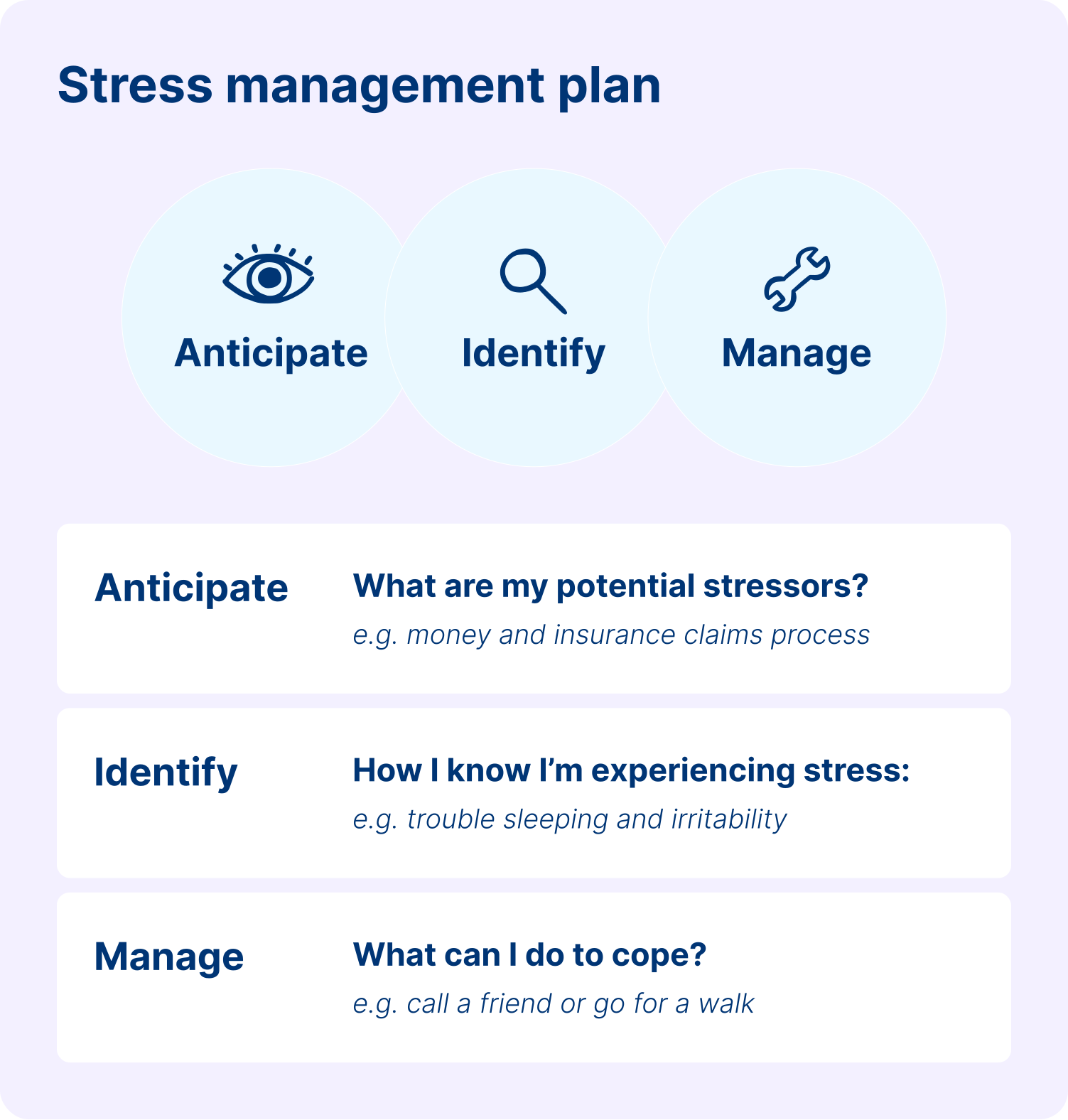
When it comes to things you can do to manage stress, what works for you might not work for someone else and vice versa.
We all respond to stress differently, which means we'll all manage it differently and that's okay.
Below are practical techniques and strategies that you can turn to when experiencing stress.
One of the best ways you can manage stress during and after a natural disaster is by getting your ducks in a row. (e.g. tackle the to-do list that’s been in your ‘too-hard basket’ for the last few years.)
This can look like:
By taking care of the tasks that require a bit of deep thinking up front, you’ll feel less overwhelmed should you experience a natural disaster.
Australian Red Cross and NRMA Insurance have made getting prepared easier by co-creating the Get Prepared app, a digital version of Australian Red Cross' award-winning RediPlan® disaster preparedness guide and RediPlan® worksheet.
You can also find a variety of really valuable natural disaster resources on this Help Nation page and stay up to date with this Wild Weather Tracker.
Emergency contacts and information to keep on hand
Ultimately, the best way to protect your wellbeing is to ensure you're practising self-care and keeping your life as normal as possible.
This means establishing and sticking to daily routines, getting enough sleep, eating well, socialising, and moving your body.
Here are a few more ways you can protect your wellbeing:
When you’ve experienced something traumatic, like a natural disaster, one of the best things you can do is recognise what you don’t need to do.
We know those three things can be easier said than done, but it really is important that you show yourself some compassion and remind yourself that you’re doing the best you can.
Remember, natural disasters rarely just impact one area of your life. You can feel the impacts in your relationships, communities, professional life, finances, and more.
This is why it’s important to acknowledge what you’ve been through and give yourself permission to take care of your own mental health and wellbeing before anything or anyone else.
On this page, you’ll find information on:
Scroll down to learn more.
In the days, weeks, and months following a natural disaster, it’s common to feel overwhelmed and uncertain about the future.
This is because it's easy to find yourself in fight, flight or freeze mode when you experience stressful or traumatic events. While these are normal ways to respond, they aren’t always helpful.
For example, in ‘fight mode’, you might overload your to-do list with unimportant tasks because it gives you a false sense of control. In ‘flight’ or ‘freeze mode’, you might avoid your to-do list or not know what to do altogether.
So, first things first …
By taking time to pause and reflect on how you’ve been impacted, you’ll be able to think more clearly about what you actually need to move forward.
In particular, it’s helpful to reflect on how the event may have impacted your self-esteem. Self-esteem and mental health are closely linked because it’s where we get the resilience to push through challenging times. You may find these journaling prompts helpful.
Chances are you were already dealing with a lot. In the days, weeks, and even months following a natural disaster, it’s okay to dial back on your commitments and ask for help.
This could look like:
It could also mean lowering the expectations you’ve set for yourself.
Remember, you don’t have to do everything or be everything to everyone. It’s okay to give yourself permission to sleep in and delay plans.
Self-care is one of the ways we can manage stress and cope during challenging times.
Self-care can be a massage, treating yourself to a new book, or taking time off work, but it can also be as simple as:
Click here to learn more about the importance of self-care and ideas on how to practise it.
The effects of natural disasters are often felt far and wide, which means people in your community are likely experiencing similar emotions.
Talking to family members, friends, and neighbours who get what you’re going through can be a helpful way to feel more connected, make sense of your emotions, and manage stress. Click here to learn tips for talking to someone you trust.
And remember, Lifeline crisis supporters are here to listen 24/7 via phone (13 11 14), text, and chat.
Depending on how mentally prepared you were in the lead-up to the event, you may or may not know what your stressors are, how you know if you’re experiencing them, and what tools you can use to cope.
If you haven’t taken time to think about how the event may be impacting your mental and physical health and how you’ll know if things are becoming too much, you may want to visit our natural disasters feelings and effects page.
13 HELP (13 43 57) is Lifeline's 24/7 dedicated support line for people living through bushfire recovery or struggling to cope with an extreme weather-related event.
Keep in mind that Australia has numerous support services that are confidential, free, and typically available 24 hours a day, 7 days a week.
After a natural disaster, you may want help with:
Click here to find the support services that are right for you and the people you care about.
Even when there hasn’t been a natural disaster, stressors like money, work, and kids can feel overwhelming.
While stress is a natural and necessary way your body responds to situations it perceives as threatening or dangerous, it can become a problem if it sticks around too long or becomes unmanageable.
If possible, try to minimise stress in every area of your life. This is particularly important if you were already dealing with a big life event (like the loss of a loved one, relationship breakdown, chronic illness, or previous natural disaster) before the event.
Ways you can manage stress:
8 minutes
read
When it comes to managing stress, it’s helpful to have a few go-to techniques and strategies that you can use when you’re starting to feel overwhelmed.
Keep in mind that we’re all different so what works for someone else might not work for you and that’s okay. The key is finding out what you can do to feel calm and safe.
Below, we’ve listed a few ideas you can try.
When you’re distressed or overwhelmed, it can be difficult to think about how you’re going to calm down in the moment. By having a pre-prepared self-care box on hand, you can make sure it includes things that can help you relax.
For example, you could include a list of guided breathing and meditation tracks that help you sleep, a notebook to journal your thoughts and feelings, or a bag of herbal tea.
6 minutes
read
If you’re finding it hard to stay focused during the day or are struggling to sleep, you may want to try practising mindfulness and meditation.
Mindfulness is the practice of paying attention to the present moment with an attitude of curiosity, openness, and non-judgement while meditation is the practice of training your brain to focus on the present moment.
To learn more and get started, you can read our introduction to meditation and getting started with mindfulness articles or download a mindfulness and meditation app like Calm or Smiling Mind.
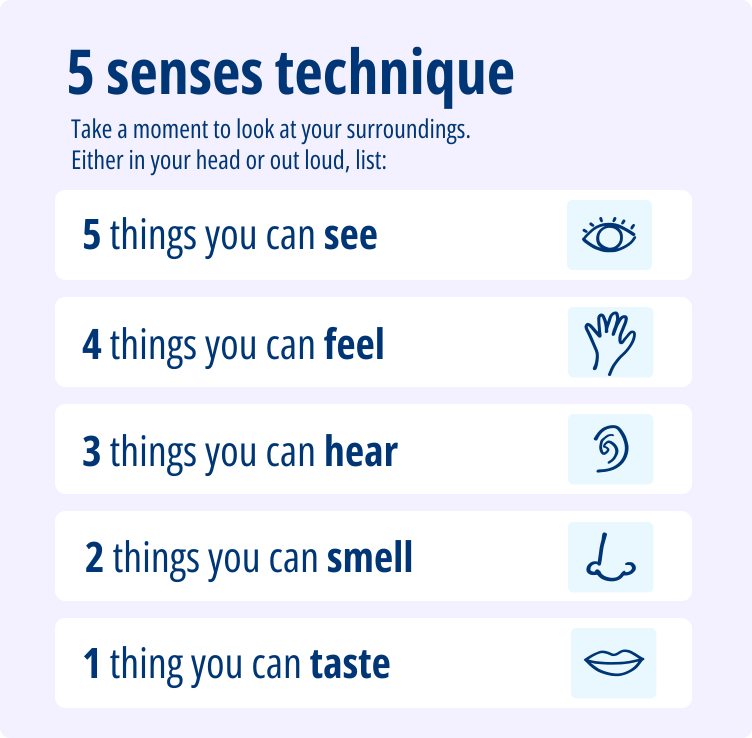
Similar to mindfulness, grounding techniques can help shift your attention away from distressing feelings and redirect it to what is happening right now.
Grounding can be particularly helpful if you’re experiencing trauma as it can allow you to move away from negative thoughts or flashbacks.
There are several different grounding techniques, but a great one to start with is the five senses check-in because it can be helpful in decreasing the intensity of your feelings.
While kids are incredibly resilient and tend to adjust to big changes quite quickly, they respond differently to stress and trauma.
For example, while you might be able to recognise and say you’re angry because you haven’t been able to have a hot shower in two weeks, a child might appear happy but revert to babyish behaviours like thumbsucking or bedwetting. While these behaviours can feel frustrating because they're another factor making things hard for you, try to be patient and understanding with your children.
In most cases, a child will turn to you or another adult for guidance on how to feel. As a result, the way you react to a natural disaster can impact how your child will cope and recover.
For more tips on how to help kids cope with trauma, click here.
If you’d like further advice on how to talk to your child about a natural disaster, you can contact Kids Helpline.
Kids Helpline is a free and confidential 24/7 online and phone counselling service for kids, teens, young people and the adults who care about them.
You can also save or download the following Australian Red Cross resources for parents and caregivers:
Learn more at australianredcross.org.au.
12 minutes
read
Regional communities that have faced natural disasters like bushfires and floods reported feeling forgotten 3-6 months after the event because support organisations have moved resources on to the next disaster.
In a way, it's similar to losing a loved one. Everyone flocks to you and helps plan the funeral, but 3-6 months after, you’re often on your own to deal with feelings like grief, loneliness, and isolation.
No matter how alone you might feel, help is available every step of the way, even five and ten years down the track.
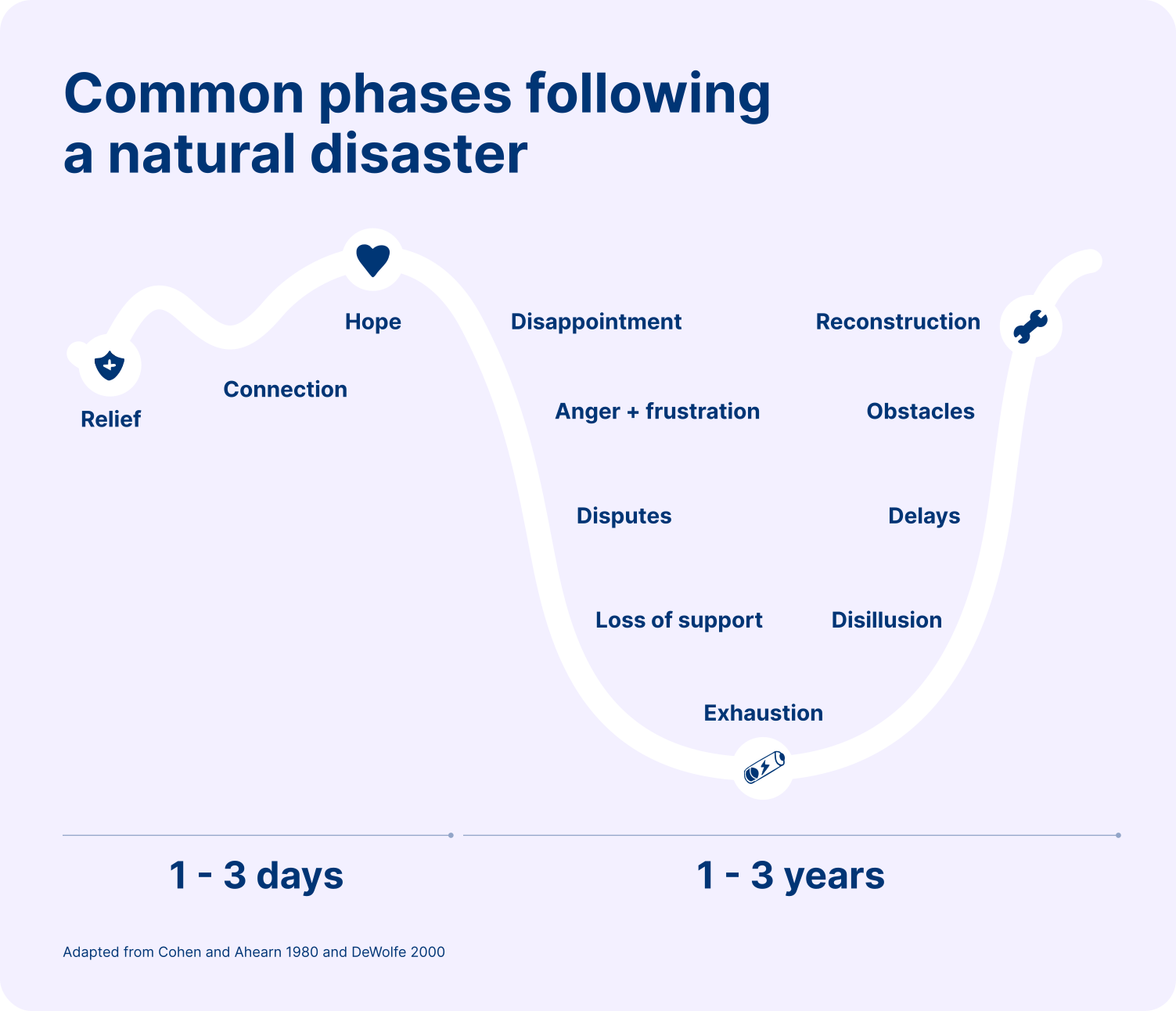
Even if things are beginning to look normal on the outside, it’s okay if you’re feeling unsettled or having trouble coping. A lot of people feel the emotional impacts of natural disasters for up to three years, if not longer.
Remember, natural disasters can be traumatic experiences, so it makes sense if you’re still experiencing anxiety symptoms, intrusive thoughts, sleep problems, hypervigilance (feeling jumpy or on edge), or panic attacks.
On this page, you'll find information on:
Scroll down to learn more.
Self-esteem is a key way that we get through challenging times because it helps us:
If you have low self-esteem, it can be difficult to feel worthy of support or believe that you’re capable of rebuilding.
Healthy self-esteem, on the other hand, can give us a sense of hope and optimism, which is important for maintaining motivation and perseverance throughout the recovery process.
Click here to learn more about self-esteem and ways you can raise yours.
Just talking openly and honestly to the people in our village helps so much. You know you are NOT alone.
Research shows that people with strong connections with family, friends, and their community cope best in times of crisis. Unfortunately, natural disasters can fuel loneliness and create further isolation.
If possible, try to create a support network of people who you can:
If you don't feel like you have anyone to reach out to at the moment, you can contact support services like FriendLine and eFriend or consider joining a support group.
When you’ve gone through something traumatic like a natural disaster, your body can react in ways that don’t always make sense to you.
We know that it’s completely normal to experience hypervigilance following a natural disaster.
Hypervigilance is when you’re constantly on guard and looking out for danger, even when there is little to no immediate risk of harm.
It is often a sign of anxiety and can become worse when there’s a:
When dealing with chronic stress and trauma, it's common to find yourself drinking more alcohol than usual, taking drugs, or having urges to self-harm.
Even though they can ultimately lead to more serious mental health problems, substance misuse is often used to numb unexpected and distressing emotions.
As tough as it may be to overcome an addiction, it is possible and there are people who want to help.
Click here to learn about the support services available for substance misuse.
Anniversaries of a natural disaster can be really upsetting, particularly if the media coverage is intense or there are formal events to mark the anniversary.
If you find these things difficult, you may want to:
If you’re struggling to cope and are unsure what it is you’re exactly experiencing, you may want to speak with your GP about getting a Mental Health Treatment Plan.
A Mental Health Treatment Plan will give you access to a psychologist who can engage in therapies such as:
CBT and ACT are evidence-based therapies that can help you confront and process painful emotions and give you strategies for coping in everyday life.
While there are ACT and CBT-based activities you can do on your own, it can be beneficial and more effective to work with a professional therapist.
For a trauma-informed alternative to traditional talk therapies like CBT, you can consider EMDR therapy.
A lot of people prefer EMDR for dealing with trauma because you don’t have to go into detail about what happened if you don’t want to.
Below, you can watch a video to learn more about how EMDR works.
As we continue to experience extreme weather more frequently, it's understandable if you're worried about future events.
One way to ease worries and manage stress is by using your experience and resilience to plan and mentally prepare for the possibility of future natural disasters.
Visit our mental preparedness page to learn about resources that can help.
An important part of mentally preparing for and moving forward after a natural disaster is actively taking care of your mental health and wellbeing during challenging times.
Below, you’ll find tools and apps that can teach you practical ways to mentally prepare for extreme weather, understand the impact of your experience, manage distressing feelings, and build resilience.
28 minutes
read
Emergency contacts and information
For natural disaster on-the-ground support, long-term recovery programs, and financial assistance options, you can contact:
Use the Lifeline Service Finder to search for more local and national services available to help support you.
Whether you’ve experienced a natural disaster firsthand, as a first responder, or are trying to support someone you care about, it’s common to feel stressed, overwhelmed and uncertain about the future for weeks, months, and even years.
For example, you might be trying to heal and rebuild personally while also helping parents, elderly relatives, friends, or fellow community members.
Even with mental preparation for events like droughts, bushfires, storms, and floods, natural disasters can cause worsening symptoms of existing mental health conditions such as anxiety, depression, and post-traumatic stress disorder (PTSD).
This is why it’s important to be aware of how you and the people you care about are coping.
On this page, you’ll find information on:
Scroll down to learn more.
It can be hard to know if someone we care about is struggling because everyone responds to stress and trauma in their own way.
On one hand, people are really good at saying, 'I'm fine.' when they're really not. On the other, people tend to light up around people they feel comfortable with.
If you suspect someone might be struggling to cope, it's a good idea to look out for the following signs.
If you're concerned about a child or man, spotting signs can be even harder.
Children lack the emotional maturity needed to process and express what they're experiencing, so you might see them revert to babyish behaviour. For example, a child who's struggling may start sucking their thumb, throwing tantrums or wetting the bed.
While men have the emotional maturity to express how they're feeling, they may not feel like they're allowed to. As a result, depression symptoms in a man can look like anger, risk-taking behaviour or burning out at work.
If you're looking for information on how to help children or a man in your life, you might find the following resources helpful:
Lifeline crisis supporters are here to help.
If you're concerned that someone is struggling or might be thinking about suicide and aren't sure how to talk to them, you can contact Lifeline via phone (13 11 14), text, and chat.
One of the most powerful things you can do in the aftermath of any traumatic event is listen.
It can be tempting to offer solutions, but really, the best thing you can do is listen to what the person you care about is experiencing.
More practical support can come down the track but remember that most of the time - people just want to feel heard and have their emotions validated.
Scroll down for more tips.
The feelings and effects of a natural disaster can be felt for years.
Often described as a roller coaster of emotions, don't be surprised if you feel like the person you care about is up and down for quite a while.
The best thing to do is just let them know you're there to listen, talk, and help whenever they feel ready.
As mentioned before, simply being heard and seen can be incredibly soothing.
When the person you care about is telling you what they experienced, try to avoid saying things like, ‘At least you didn’t lose your house.’
Instead, validate their experience by saying things like, 'I can see why you feel so overwhelmed right now.'
Below, you can watch a great video by Brene Brown about the power of empathy.
Sometimes, it can also be difficult to know how to help someone. As tempting as it is to offer solutions, you may want to consider asking how you can help.
For example, you could say:
When someone is emotionally recovering from a natural disaster, thinking clearly or finding the energy to move forward can be difficult.
Here are a few ideas for how you can offer practical support:
Supporting someone else can be an overwhelming experience in itself.
While it's vital to look out for others, it can't come at the expense of your own mental and physical health.
This is particularly important to remember if you experienced the natural disaster alongside the person you're supporting.
As a carer, be sure to:
Click here to download, save, or print our natural disasters fact sheet.
Translated fact sheets are available to download below in the following languages:
Your feedback helps us improve our site for people like you.
We’d love to hear why!
This content was developed in partnership with

Support looks different for everyone. Use the drop down bar to find what feels right for you.